
Last updated November 22, 2026
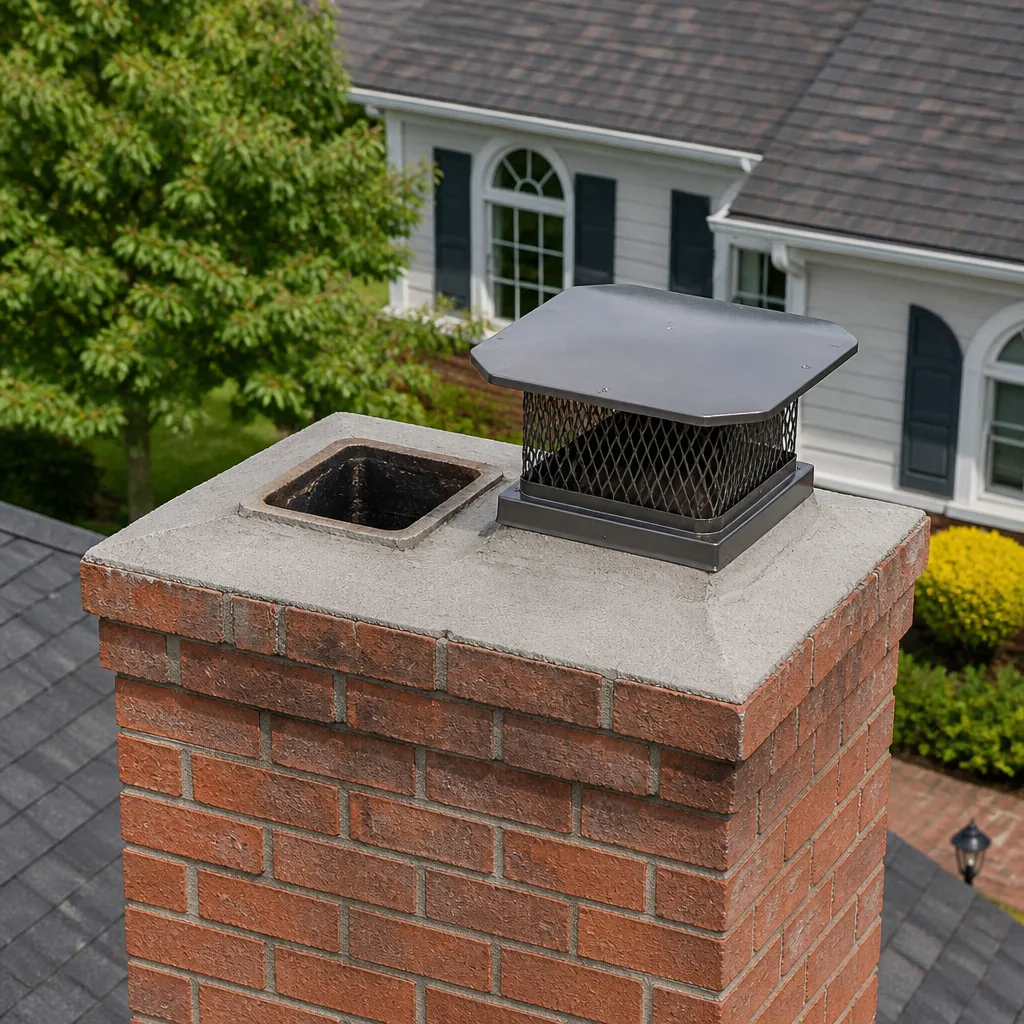 Sweep & inspection
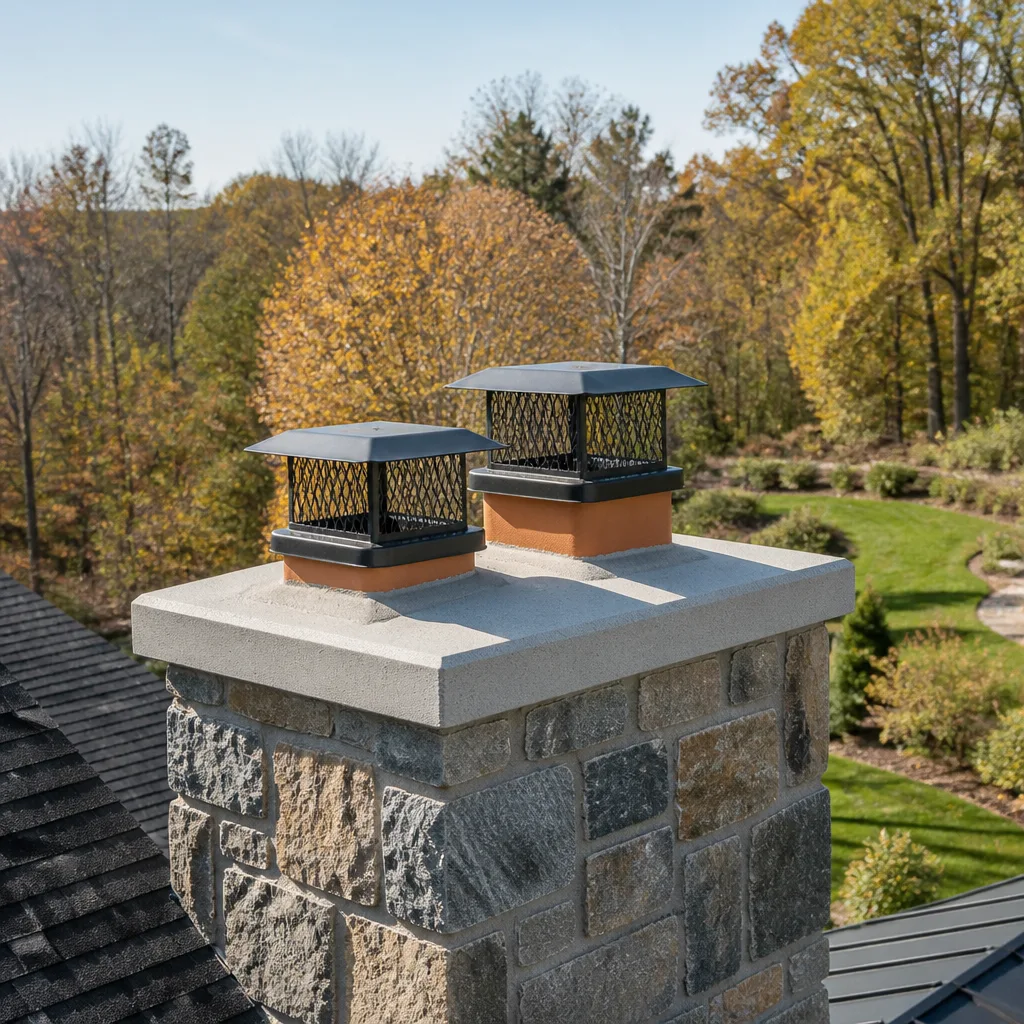 Caps & crowns
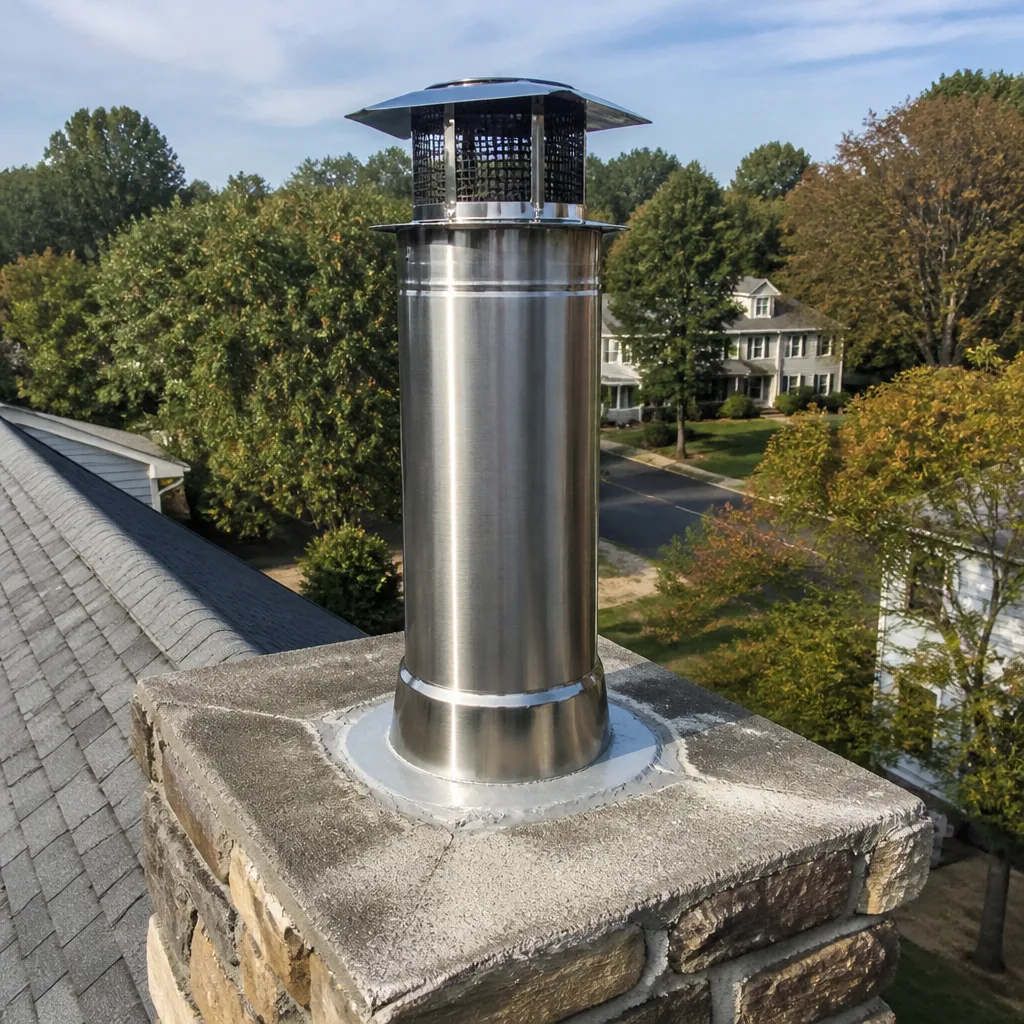 Flue relining
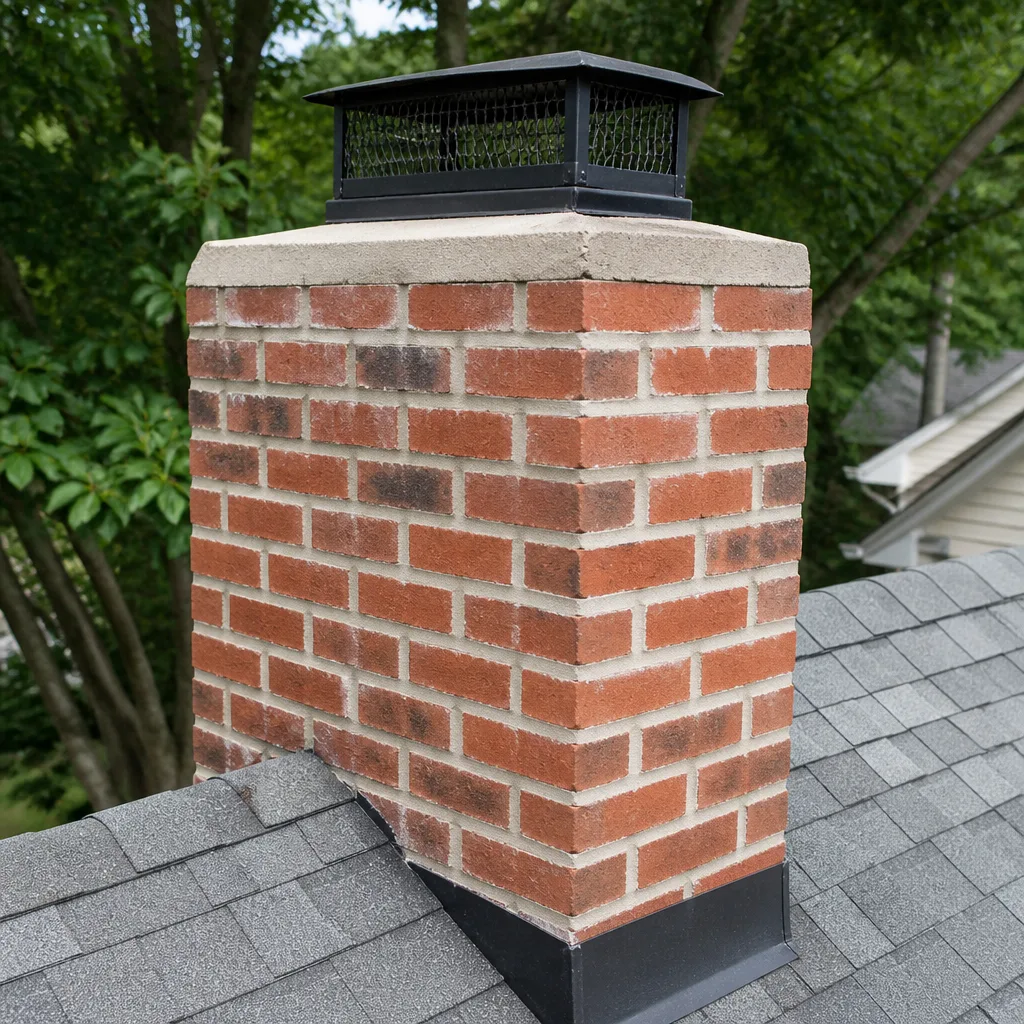 Masonry repair
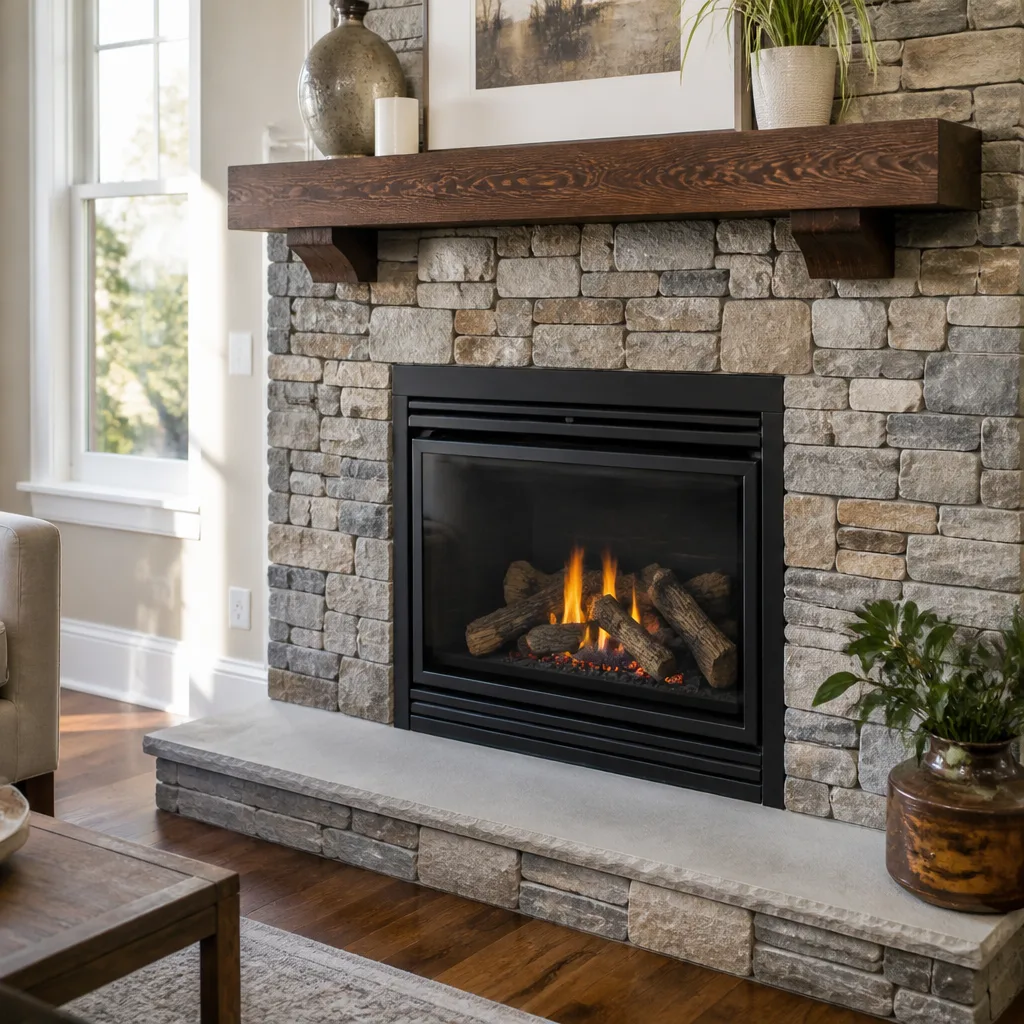 Gas fireplace service
Level 1 sweep and inspection to the NFPA 211 annual standard - flue, crown, cap, and flashing checked and photographed
Chimney sweep logs do not sweep chimneys. They loosen some creosote - which then falls where a brush and vacuum still have to collect it.
Choosing the Right Chimney Cleaning Brand: A Buyer’s Guide for Bustleton
The most expensive mistake Bustleton homeowners make with chimney products isn’t buying the cheap brush. It’s buying the wrong professional-grade product for the wrong lining material and never knowing it until the damage shows up years later. ChimneySaver water repellent and Thompson’s WaterSeal are both sold as masonry waterproofing, but only one is vapor-permeable – meaning the other can trap moisture inside the brick and speed up the spalling damage it’s supposed to prevent. On a chimney, “looks similar on the shelf” and “performs the same on your flue” are two very different things. This guide explains what each product category actually does, which materials belong in a clay tile liner versus a stainless one, and where the professional-only line sits. You’ll finish knowing what to research, what to buy, and what to leave to a trained technician on a Bustleton chimney.
Quick Answer
For a Bustleton chimney, the right “brand” is almost never a single product. It’s a matched system: a poly brush for clay tile liners, a vapor-permeable silane/siloxane sealer like ChimneySaver for masonry, a stainless cap sized to your flue tile, and professional-grade liner components such as DuraFlex when the flue is compromised. Generic hardware-store substitutes underperform on a real chimney system because they’re built for a generic wall, not for heat, creosote and freeze-thaw cycles. Buy the right materials by name, or have a specialist specify them for you.
Styles & brands we work with
- Sweep & inspection
- Caps & crowns
- Flue relining
- Masonry repair
- Gas fireplace service
Table of Contents
- Creosote treatments: Anti-Creo-Soot vs. Rutland vs. CSL
- Chimney brushes: poly vs. wire vs. nylon by liner type
- Waterproofing sealers: why vapor-permeable wins
- Cap and cover selection: gauge, mesh and profile
- Where professional-only products draw the line
- A step-by-step way to choose a product
- Common mistakes to avoid
- Frequently asked questions
Creosote Treatments: Anti-Creo-Soot vs. Rutland vs. CSL
Creosote treatment products don’t all do the same job, and that’s the first thing to get straight. Creosote forms in stages. Stage 1 is a flaky, dusty soot-and-creosote mix you can brush away. Stage 2 is a crusty, hardened glaze. Stage 3 is a dense, glossy, tar-like coating that’s very hard to remove and burns hottest. A product that helps with stage 1 does little to a stage 3 deposit, and treating a stage 3 flue with a chemical soot-loosener is not a substitute for mechanical cleaning. Here’s how the three most-searched products actually differ:
- Anti-Creo-Soot (liquid) – a liquid catalyst added to the fire that works on the creosote already building in the flue. In practice it’s aimed at loosening stage 1 and light stage 2 deposits so a sweep can remove them. It’s a maintenance aid, not a cleaner for heavy glazed creosote.
- Rutland Creosote Remover – a powder treatment added to a hot fire that chemically changes creosote into a more brittle, brushable form. It’s most useful on light-to-moderate deposits and as a between-sweeps treatment. It won’t rescue a stage 3 flue.
- CSL (Creosote Sweeping Log) – a log you burn that releases compounds intended to dry and crack creosote so it brushes off more easily on the next sweep. It’s a convenience product for light deposits and modest upkeep. It doesn’t replace a real sweep, and it doesn’t touch glazed stage 3 creosote.
The honest framing: all three are creosote-management aids, not creosote removal. The most reliable way to deal with any stage is mechanical cleaning by a technician who can see what’s in the flue. If your Bustleton home burns a lot of wood and the flue is glazed, tell the sweep what you’ve been burning and how often. We see a lot of glazed flues in Bustleton’s older rowhouses and twins where draft is marginal and the wood isn’t fully seasoned. A camera inspection tells you what stage you’re dealing with before you spend money on treatments. Our chimney sweep includes that inspection so you know what you’re treating.
Chimney Brushes: Poly vs. Wire vs. Nylon by Liner Type
The brush material matters more than the brand name on the handle. A wire brush on the wrong liner can score a stainless flue or gouge clay tile; a poly brush on a heavily glazed flue won’t cut the deposit. Match the brush to the liner, every time. Here’s the practical rule:
- Clay tile liners – use a poly (polypropylene) brush. It cleans without chipping the tile. Wire is the wrong call here in almost every case because it can scratch and erode the tile surface, which gives future creosote more to grip. Most older Bustleton homes have clay tile flues.
- Stainless steel liners (like DuraFlex) – use a poly or soft nylon brush. Wire can leave scratches that roughen the surface and shorten the liner’s life. The liner is a thin wall, not a cast-iron pipe, so treat it that way.
- Prefab metal flues – use a poly brush sized to the flue. Wire is too aggressive. Prefab flues are often thinner than a masonry flue and the brush should match the flue’s rated diameter.
- Nylon – a softer option for lighter soot and delicate surfaces. It’s less aggressive than poly, so it’s fine for regular light cleaning but less effective on hardened deposits.
The other specification that gets ignored: brush diameter. A brush that’s too small skips the corners of the flue and leaves creosote behind. A brush that’s too large jams and can damage the liner. A proper sweep fits the brush to the measured flue opening. When you’re evaluating a product, check the listed diameter against your actual flue size, not the “fits most chimneys” claim on the package.
Waterproofing Sealers: Why Vapor-Permeable Wins in Bustleton
This is the section where the market is most misleading. Bustleton’s climate swings hard between wet and freezing. Brick that absorbs water and then freezes will spall – the face of the brick flakes off – and that damage is permanent. A sealer is supposed to prevent water getting in, but many products do the opposite of what you want by sealing the surface so completely that moisture can’t get out either. That’s the vapor-permeability distinction. Here’s the difference that matters:
- ChimneySaver – a vapor-permeable silane/siloxane formula. It lines the pores of the masonry so water beads off while allowing vapor to escape. This is the professional standard for chimneys because it lets the brick breathe and stops the water intrusion that causes spalling and freeze-thaw damage. It’s applied by trained technicians, and application requirements vary by brick type.
- Film-forming sealers – products that lay a coat over the surface and trap moisture beneath it. When water gets trapped behind the film, it pushes out through the face of the brick and accelerates the damage the sealer was bought to prevent. Many hardware-store “masonry waterproofers” fall into this category.
Application requirements are usually the deciding factor. ChimneySaver isn’t a “spray it on and forget it” product – the surface needs to be clean and dry, and the specific product is matched to the masonry. Bustleton’s older brick homes are a mix of softer older brick and harder newer brick, and the wrong sealer on soft older brick is the exact combination that causes trouble. A doctor of chemistry in a jug doesn’t know your brick. A trained technician specifying the product does. If the cap and crown work is also years overdue, it makes sense to sort that first, because a chimney cap & crown is the actual first line of defense against water. Sealing a chimney that’s leaking at the crown is putting a coat on a sieve.
Cap and Cover Selection: Gauge, Mesh and Profile
A chimney cap looks like a simple lid and is actually a small engineered component. The three specs that matter are the steel gauge (thickness), the mesh size, and the profile that fits your flue tile. Getting any one wrong means water gets in, animals get in, or the cap doesn’t fit the flue it’s supposed to protect. Here’s what to check:
- Steel gauge – lower gauge numbers mean thicker steel. Very thin galvanized caps rust through quickly in a wet, freezing climate like Bustleton’s. Professional-grade caps in the 24- to 26-gauge range in stainless or copper hold up far longer than a bargain sheet-metal cover. Stainless and copper cost more and last noticeably longer than basic galvanized.
- Mesh size – the mesh has two jobs: spark arrest (keeping embers from leaving the flue) and animal exclusion (birds, squirrels and raccoons love a warm flue). Smaller mesh excludes more animals but can clog faster with soot and creosote. Standard 3/4-inch or 5/8-inch mesh is the usual trade-off; very fine spark mesh used on wood-burning flues can plug and needs checking. Match the mesh to the appliance: gas flues, wood flues and oil flues have different needs.
- Profile – the cap’s footprint has to fit your single-flue or multi-flue opening. Bustleton’s older housing stock includes a lot of single-flue rowhouses with standard 9×9 or 13×13 flue tile and some multi-flue chimneys with more than one tile. A cap that’s too small leaves the flue edge exposed; one that overlaps the wrong way channels water back into the crown. Measure the actual flue tile, not the flue “opening” you can see from the ground.
The caps sold by professional supply houses – Gelco and Famco, for example – are purpose-engineered for chimneys, with welded rather than spot-welded construction and correct flue-tile fit. If you’re considering buying your own cap, measure first, then compare gauge and mesh honestly. An undersized or thin-gauge cap isn’t a savings, it’s a return trip.
Where Professional-Only Products Draw the Line
There’s a category of chimney product that a homeowner can research and read about, and should not install. That’s not gatekeeping; it’s that some products are components of a system whose performance depends on correct sizing, sealing and installation. Here’s where the line sits:
- Liner systems (DuraFlex, Flex-King and similar) – flexible stainless liner systems are installed inside an existing flue to reline the chimney. They’re specified, insulated and terminated correctly or they don’t work. An undersized liner chokes draft; a poorly terminated one leaks; an uninsulated one can’t handle the heat. This is not a weekend project, and it’s not a place to experiment, because the flue is the part that carries combustion gases out of the house.
- Chimney resurfacing compounds (HeatShield and SmoothLight-style products) – these restore a damaged flue interior without full replacement. They’re a real fix, and they require Certified-applied training, surface prep, and curing procedures that a homeowner can’t wing. We’re certified to apply HeatShield resurfacing, which is a capability most sweep-only companies don’t have. It’s a meaningful difference when your flue is compromised but still structurally sound.
- Smoke chamber parging compounds – the smoke chamber is the transition zone above the damper and below the flue. Parging compounds correct a rough or damaged smoke chamber that causes draft problems. The area is layered, dangerous to reach, and the parge coat is a specialty skill.
- Liner and rebuild work in general – when the flue is heavily damaged, a rebuild may be the correct answer, and a licensed specialist is the right person to design it. This is the part where we see wrong material choices do real damage on a return visit.
There’s also a safety caveat that isn’t about any product at all. The flue, the smoke chamber and the firebox are built to contain heat and combustion gases, and working inside them – even just reaching in – is work for a trained professional. We don’t give a homeowner instructions for opening a liner, dismantling a damper or getting onto the roof to install a cap. Those are jobs for someone who’s been trained, insured and equipped for the work, and that protects you and the house.
A Step-by-Step Way to Choose a Product
When you’re standing in front of a shelf or a product page trying to decide, this sequence sorts real products from shelf dressing. Follow it in order:
- Identify your liner type. Clay tile, stainless (like DuraFlex), or prefab metal. The first match determines the brush material, sealer compatibility, and cap profile.
- Check the deposit stage. If the flue is glazed (stage 2 or 3), a soot-loosener or CSL isn’t the fix; you need mechanical cleaning first. If deposits are light and powdery, a treatment product can be a maintenance aid between sweeps.
- Read the actual spec sheet, not the marketing line. Compare gauge for caps, permeability for sealers, diameter for brushes, and chemical function for treatments. “Professional grade” is a claim. Silane/siloxane, gauge, and diameter are facts.
- Measure before you buy. Flue tile size, liner diameter and cap footprint. A cap that “fits most chimneys” fits yours only by accident.
- Match the product to the climate, not the picture. Bustleton’s freeze-thaw cycle is the reason vapor-permeable sealers and stainless or copper caps matter here. A thin galvanized cap and a film-forming sealer are both climate mismatches.
- Call in the second opinion when the flue is compromised. Any sign of liner damage, glazed creosote or a rough smoke chamber is a professional inspection, not a product purchase.
Steps 1 through 5 cover the products you can reasonably buy and apply, with the right match. Step 6 is where a Bustleton homeowner is usually better served having a specialist specify and install. A specialist carries professional brands – DuraFlex liners, HeatShield resurfacing, Gelco and Famco caps, and Olympia Chimney and Copperfield components – and can diagnose the underlying system rather than the symptom. If you’re not sure which side of the line you’re on, that’s the call to make. A chimney repair recommendation without visible evidence is a guess; ask what the inspection showed before approving work.
Common Mistakes to Avoid
- Buying a film-forming sealer for a chimney. It looks like waterproofing and behaves like a moisture trap. Stick to vapor-permeable products, and match to your brick type.
- Using a wire brush on a clay tile or stainless liner. It scores the surface and gives future creosote more to grip. Poly or nylon, matched to diameter, is the correct choice for most Bustleton flues.
- Treating a glazed flue with a soot-loosener. Anti-Creo-Soot and Rutland are maintenance aids; they don’t remove stage 2 or 3 creosote. Mechanical cleaning does the work.
- Buying a cap without measuring the flue tile. “Fits most” is the phrase that ends in a return trip and a rain-soaked flue.
- Choosing a thin galvanized cap for a freezing climate. It rusts through in a few seasons. A stainless or copper cap in the correct gauge is the long-term fix.
- Sealing a chimney that’s leaking at the crown. Fix the crown first. Sealing a leaking chimney makes the leaks harder to find.
- Buying professional-only components (liners, resurfacing compounds, parging materials) and attempting the install. These are system parts that depend on correct sizing and training. Buy the right product and let a trained technician install it.
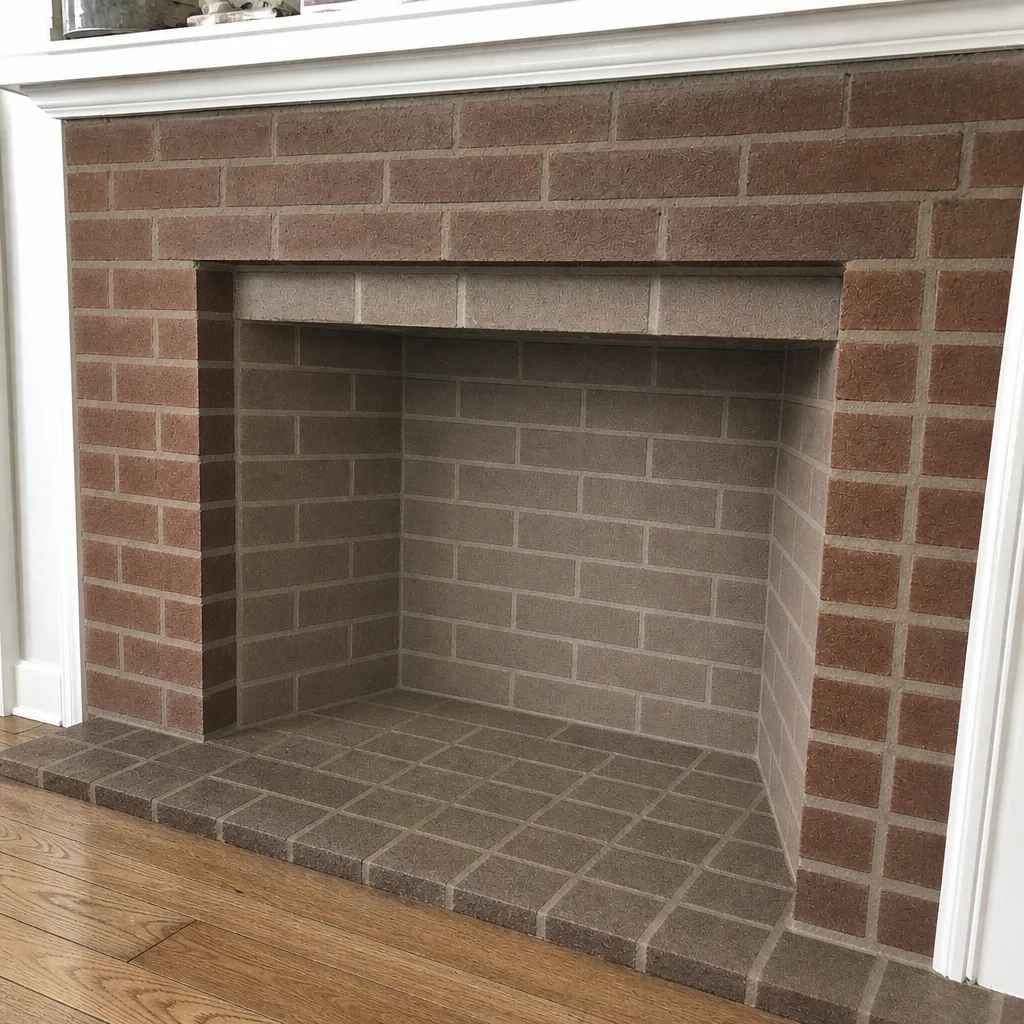
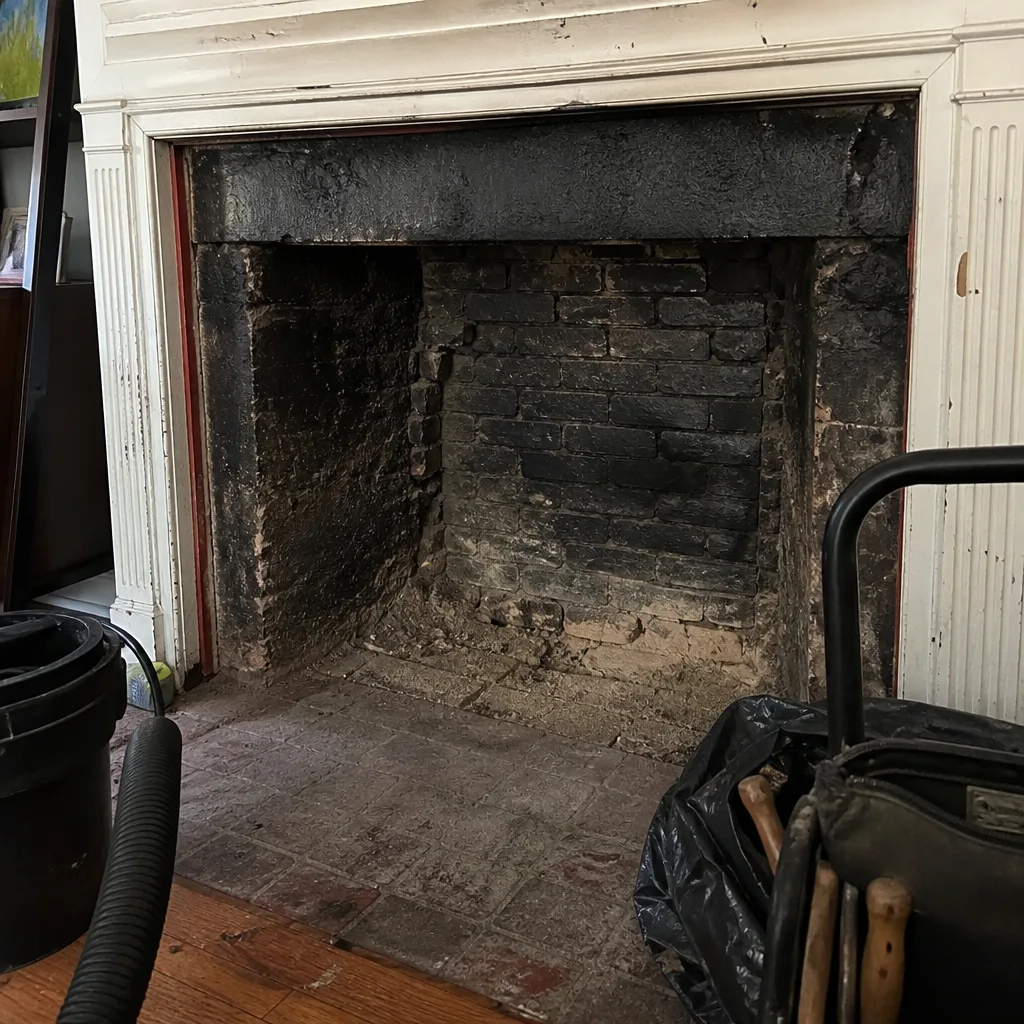
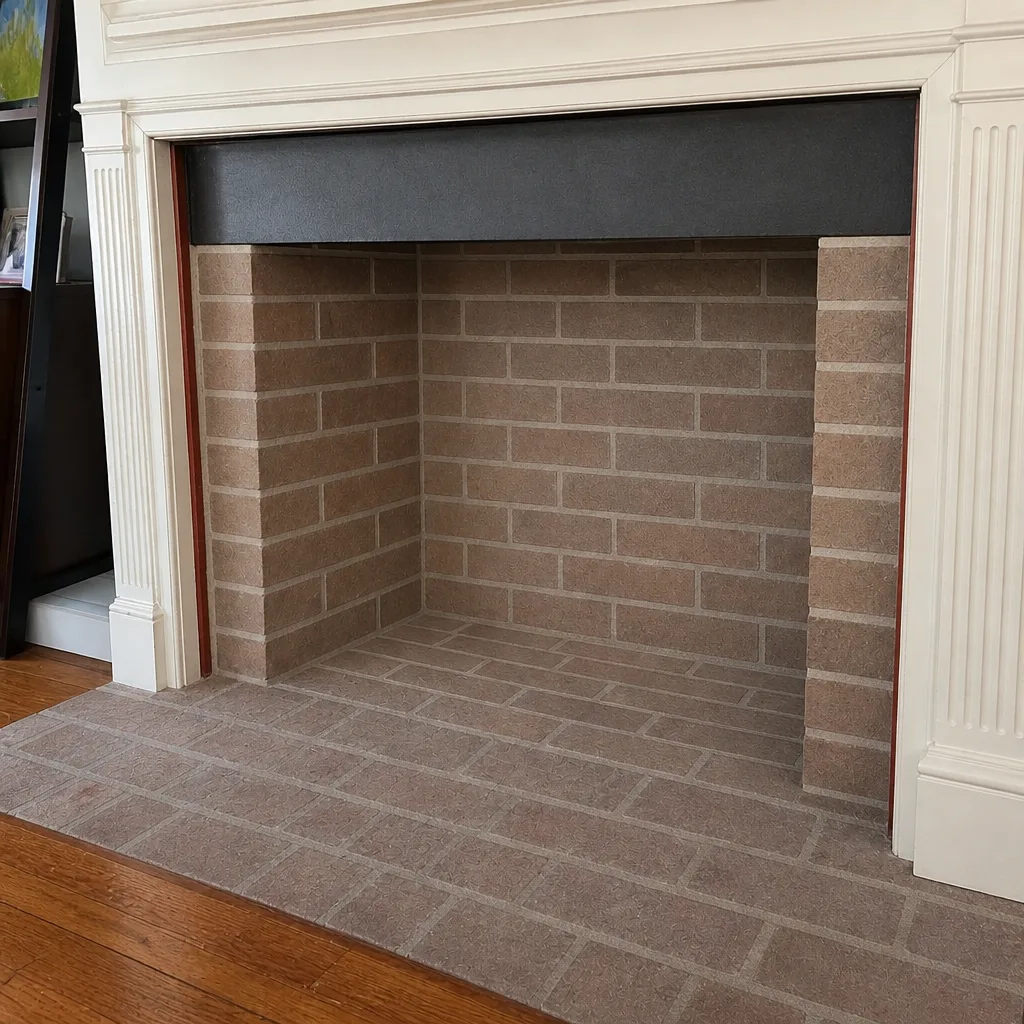
See the difference
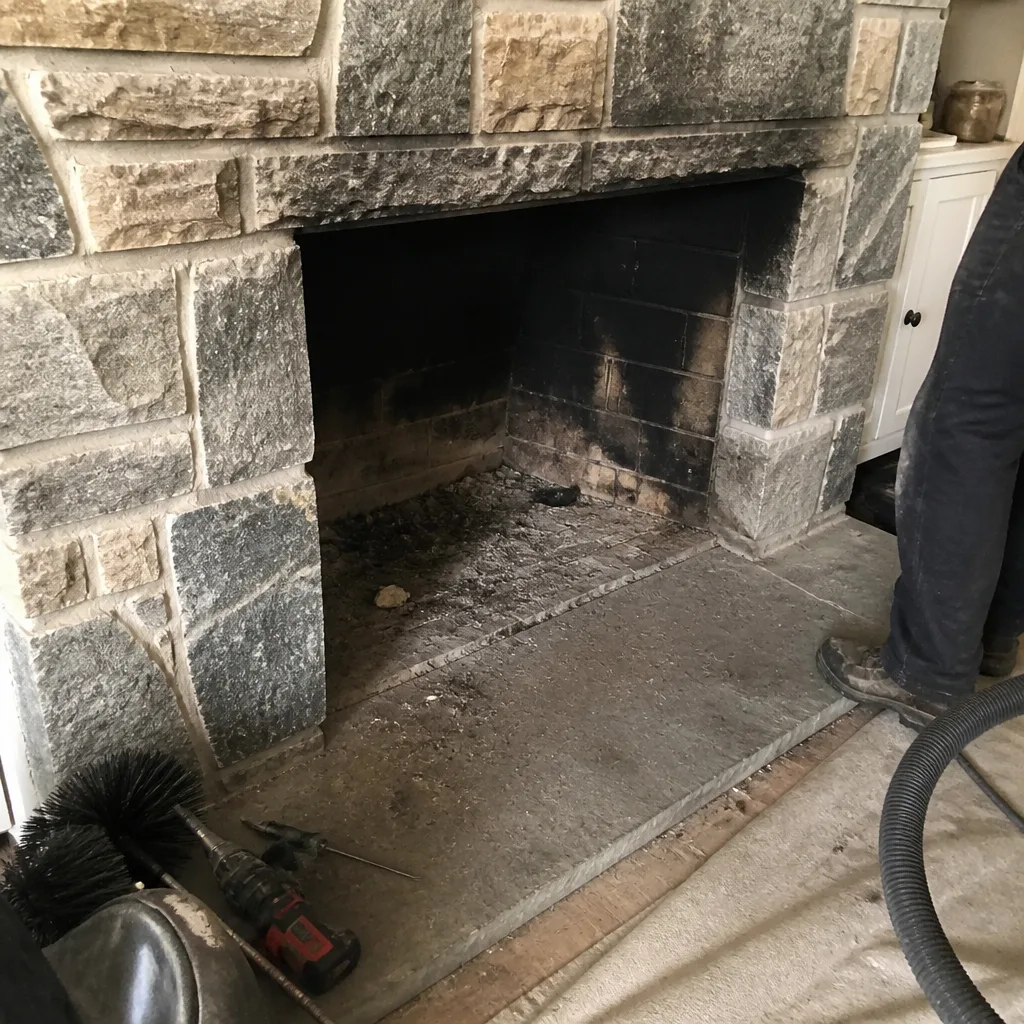 Before
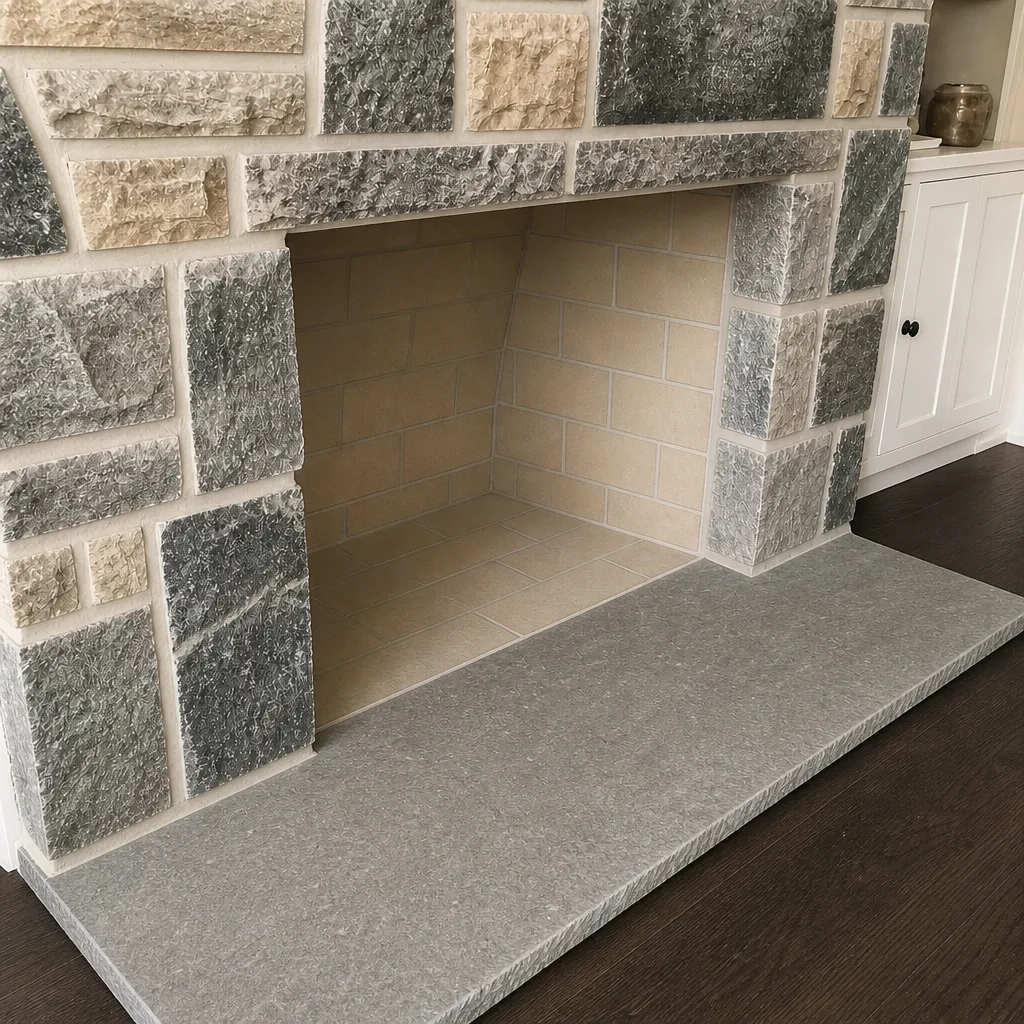 After
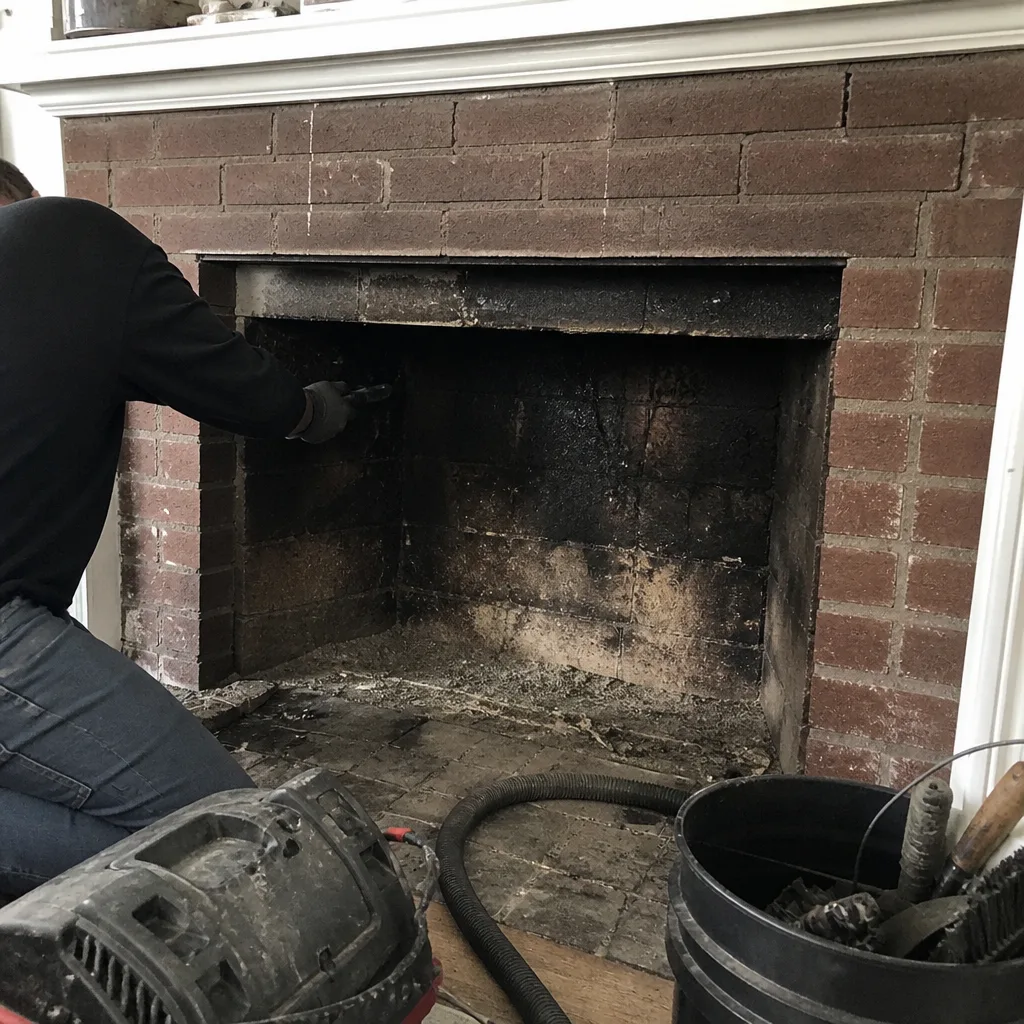 Before
 After
 Before
 After
When to Call a Professional
A free estimate from Chimney Sweep Bustleton – call (833) 350-7109 – is the right first step when any of these apply: the flue has glazed or hardened creosote you can see or feel; the chimney smells smoky or musty after a fire; the cap is missing, loose, rusted or the wrong size; there’s a drip or stain near the chimney or on the ceiling below; the crown is cracked; there’s burned or blistered material around the firebox; or you haven’t had the flue inspected in a long time and don’t know its stage. We handle the full system – not just the sweep – from cleaning through cap and crown, repair, liner installation and rebuilds, so a Bustleton homeowner doesn’t need a second contractor. The written estimate sets the final price, and no work is recommended without camera inspection and a photo report you can see for yourself. Our technicians have up to 9 years of experience and work with DuraFlex liners, HeatShield resurfacing, Gelco and Famco caps, and Olympia Chimney and Copperfield components.
Frequently Asked Questions
None of them remove stage 2 or stage 3 glazed creosote by themselves. Anti-Creo-Soot, Rutland Creosote Remover and CSL are maintenance aids that help loosen light deposits so a sweep can remove them; glazed creosote needs mechanical removal by a technician with the right brush for the liner. If your flue is glazed, book an inspection before buying any treatment product. Call (833) 350-7109 for an exact quote – estimates are free.
No, a poly brush is the correct choice for a clay tile liner. Wire can chip and score the tile, roughening the surface and giving future creosote more to grab onto. On a stainless liner like DuraFlex, use poly or soft nylon for the same reason; the liner wall is thin. Match the brush diameter to the measured flue, not the package’s “fits most” claim. Call (833) 350-7109 if you’re unsure what your liner is made of.
For a chimney, yes: ChimneySaver is vapor-permeable, while film-forming sealers like many Thompson’s products can trap moisture inside the brick and speed up spalling. Bustleton’s freeze-thaw cycles make that difference matter. ChimneySaver is applied by trained technicians and matched to the brick type, so it’s not a spray-it-on-and-forget product. If water intrusion is your concern, sort the crown and cap first, then seal. Call (833) 350-7109 for an assessment.
For most Bustleton rowhouses and twins, the right cap is stainless or copper in a thicker gauge – not thin galvanized – sized to the measured flue tile, with mesh matched to your appliance. Professional caps from Gelco and Famco are purpose-engineered for chimneys. Measure the flue tile before you buy, and check the gauge and mesh honestly. A cap that “fits most” fits yours only by chance. Call (833) 350-7109 for a proper measurement.
No. Liner systems like DuraFlex and Flex-King and resurfacing compounds like HeatShield are system components whose performance depends on correct sizing, sealing and trained application. An undersized liner chokes draft, a poorly terminated liner leaks, and a badly applied resurfacing compound doesn’t cure properly. This is where professional-only products draw the line. Our technicians are certified to apply HeatShield. Call (833) 350-7109 if your flue needs relining or resurfacing.
An inspection answers that question, and it’s the only honest way to know. If deposits are light and the flue is in good shape, a sweep plus a maintenance treatment product may be all you need. If the flue is glazed, the smoke chamber is rough, or the liner is compromised, a product won’t fix it. We only recommend work based on camera evidence you can see in a photo report. Call (833) 350-7109 – estimates are free.
The Bottom Line
The chimney “brand” question comes down to matching the material to the flue, not the label. Poly brushes for clay tile and stainless liners. Vapor-permeable sealers like ChimneySaver, never film-forming ones. Stainless or copper caps in a real gauge, sized to the measured flue tile. Creosote treatments are maintenance aids, not removal. And liner systems, resurfacing compounds and parging materials are professional-only for a good reason. In Bustleton, the freeze-thaw climate makes the specs and the material choices matter more than the marketing. Buy with intent, measure before you spend, ask for the evidence behind any recommendation, and have a specialist handle the parts that need training – prompt attention to Chimney Sweep Bustleton is safe, and knowing what can wait is honest. We handle the full system – not just the sweep.
Call (833) 350-7109 for a free estimate. We answer 24/7. Fast dispatch from 7am to 7pm, Sunday through Friday, and closed on Saturday. The written estimate sets the final price.
Written by the team at Chimney Sweep Bustleton.