
Last updated November 22, 2026
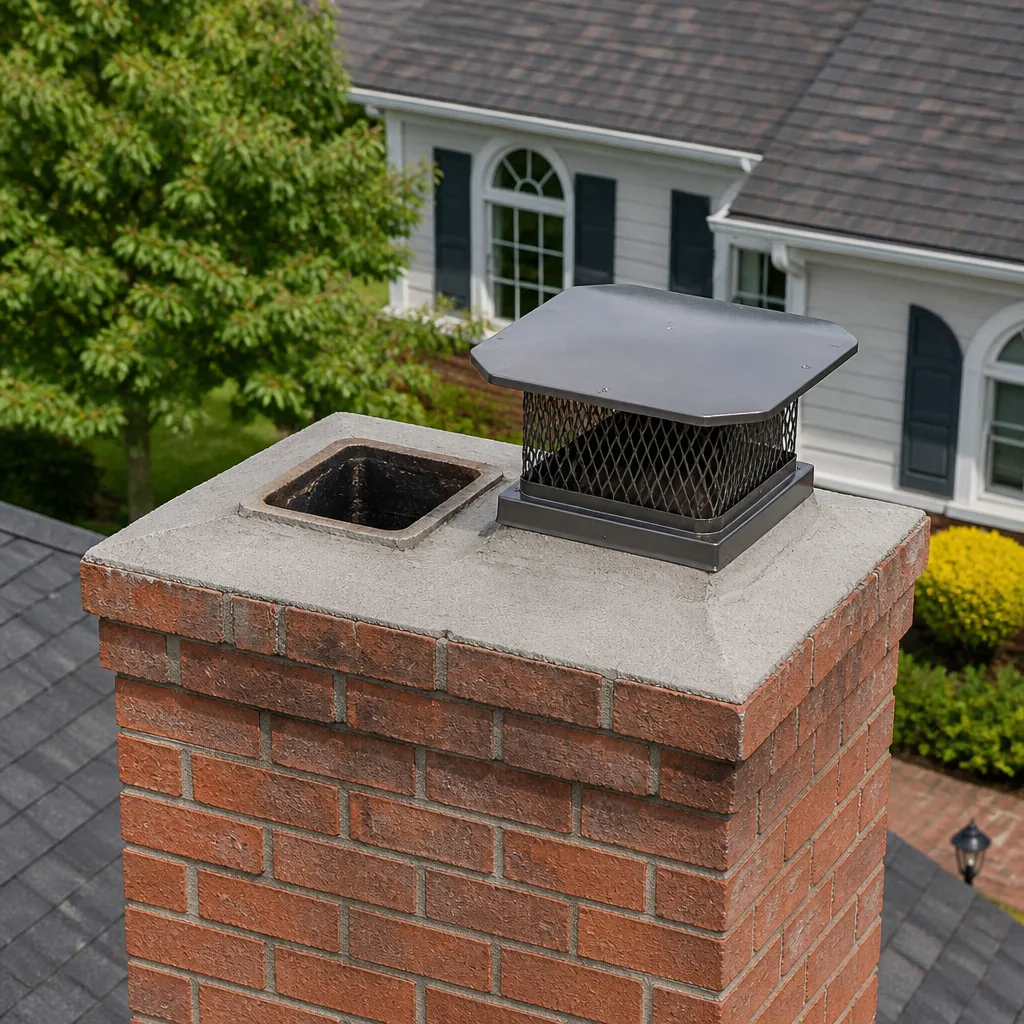 Sweep & inspection
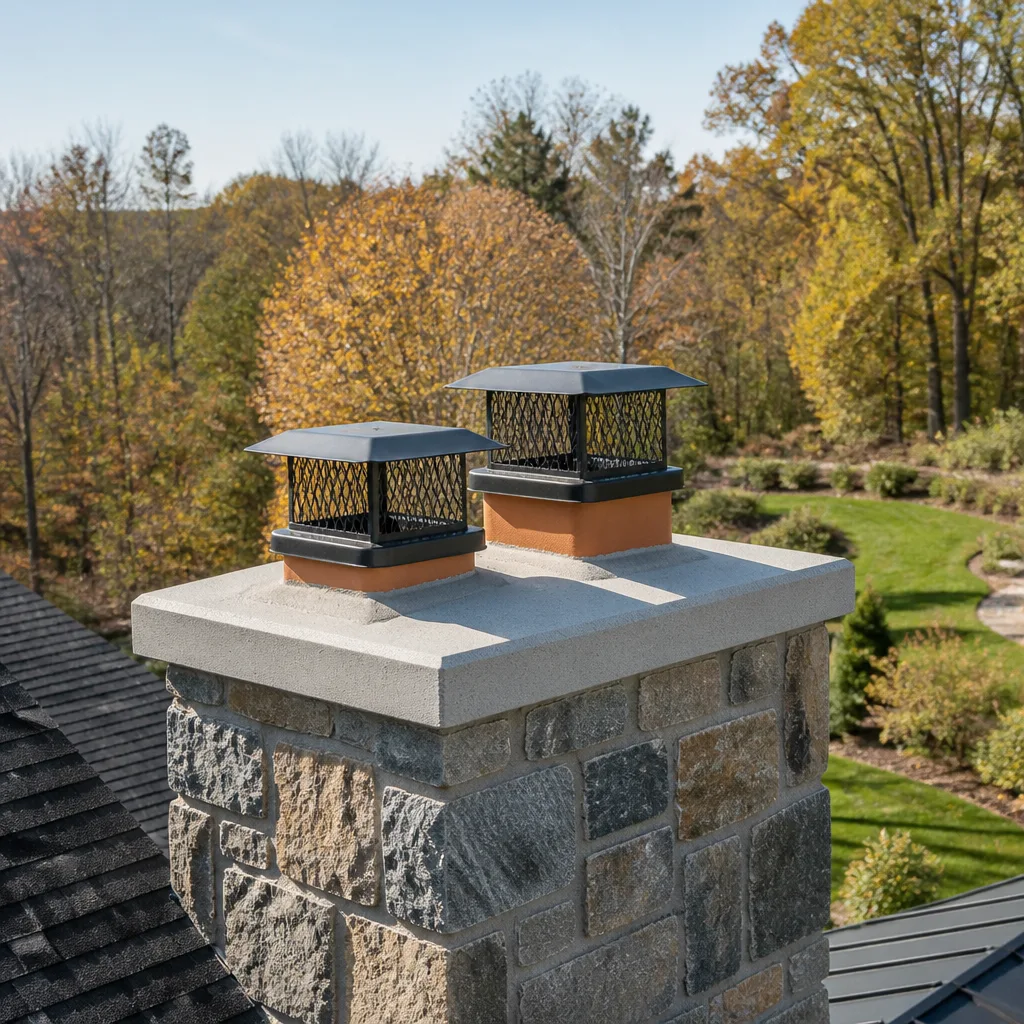 Caps & crowns
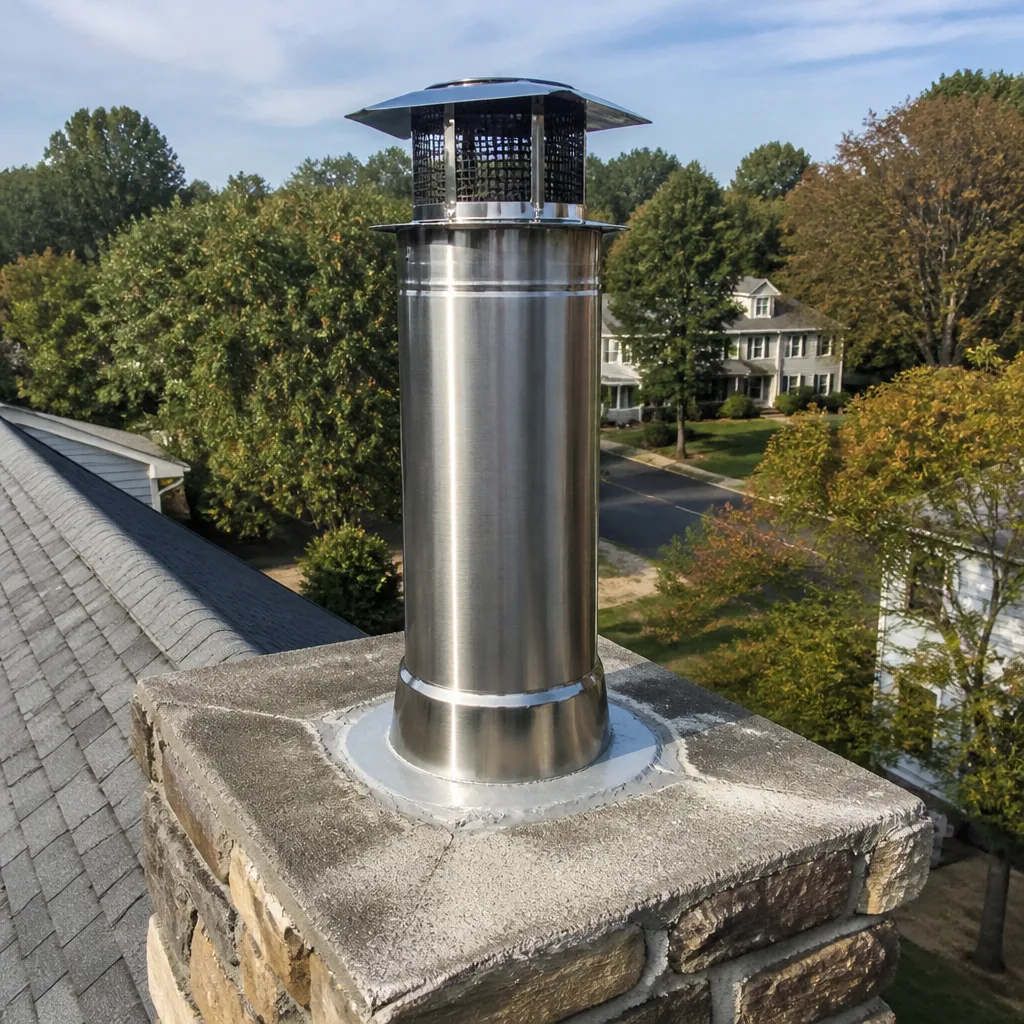 Flue relining
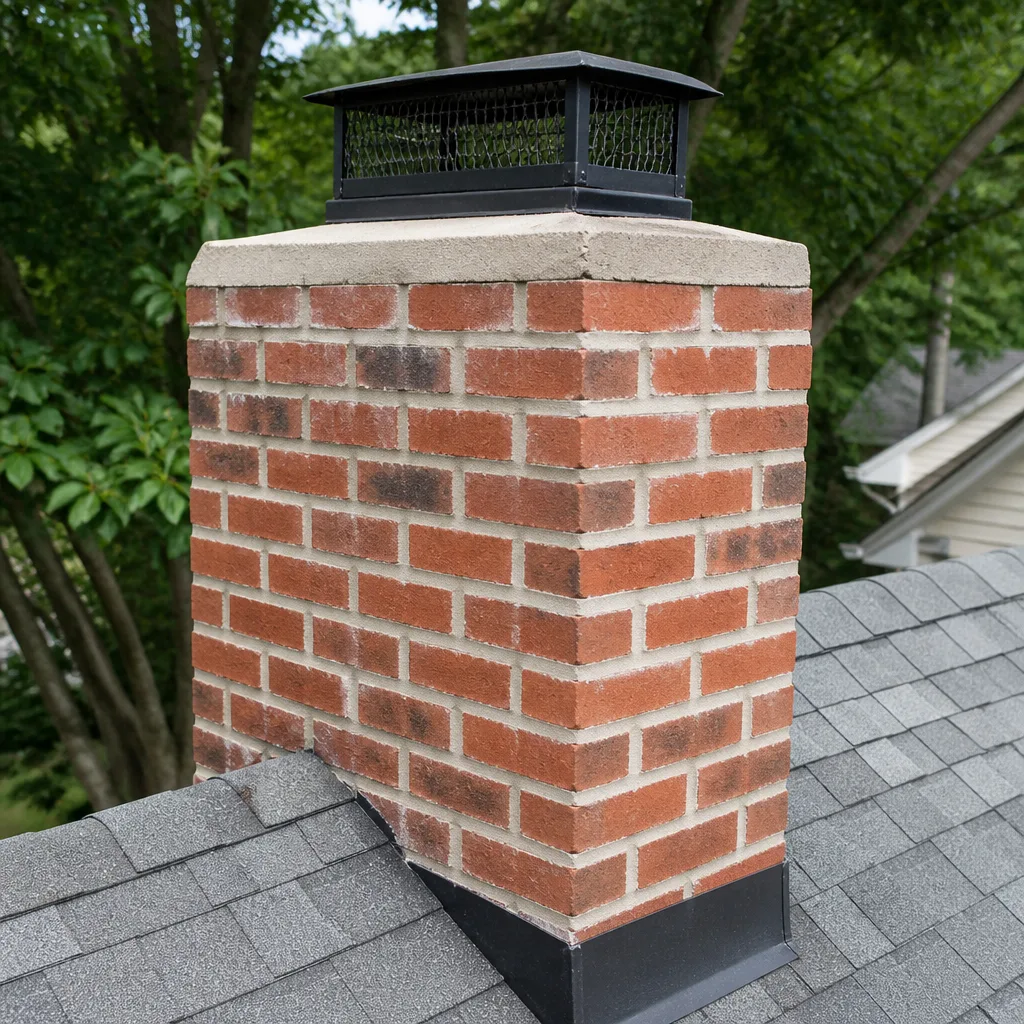 Masonry repair
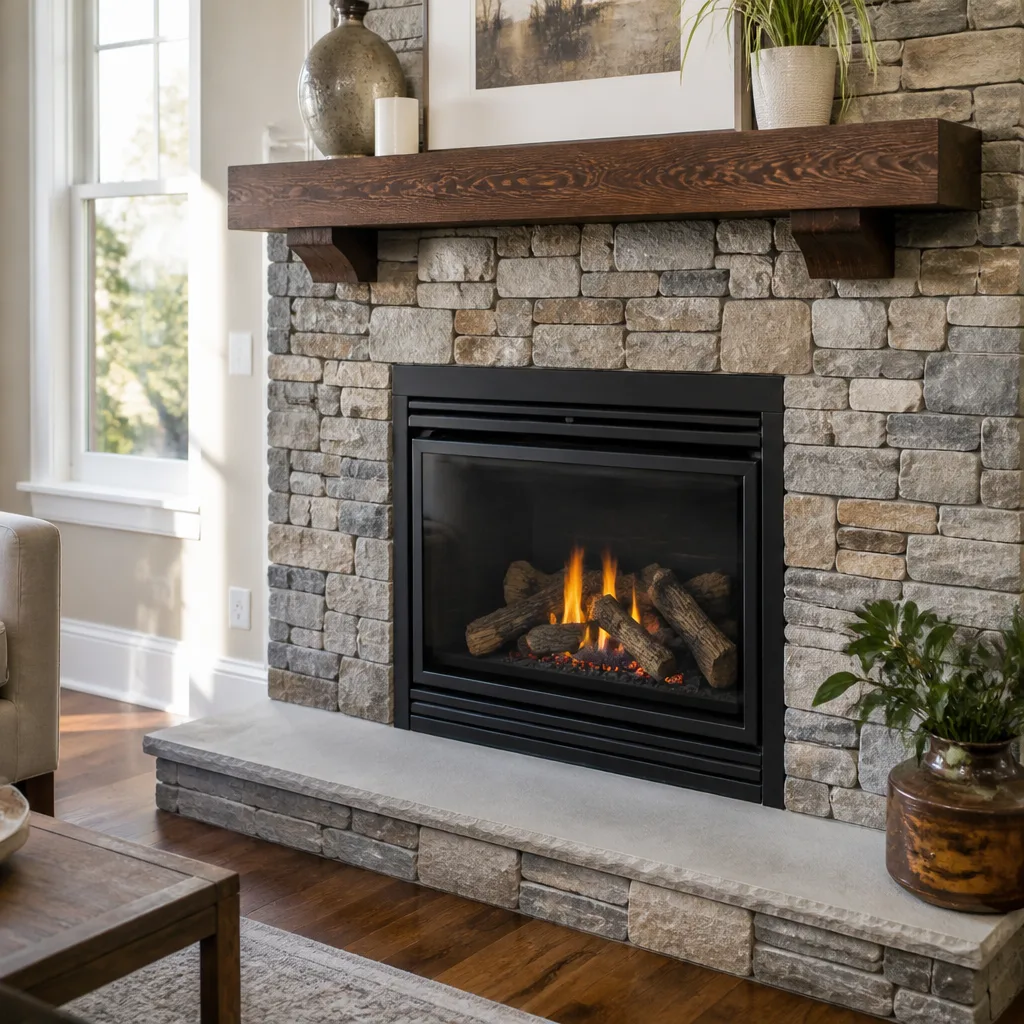 Gas fireplace service
Level 1 sweep and inspection to the NFPA 211 annual standard - flue, crown, cap, and flashing checked and photographed
Chimney sweep logs do not sweep chimneys. They loosen some creosote - which then falls where a brush and vacuum still have to collect it.
Seasonal Chimney Cleaning Care for Bustleton: Year-Round Homeowner’s Guide
The worst time to find out your chimney cap failed is October, when every sweep in the area is booked deep into the season. It’s a common Bustleton story. But the failure itself almost never happens in October. It happens months earlier, quietly, while a cracked crown takes on water and a loose cap lets a starling move in. Chimney care treated as one annual event means you’re always reacting to damage that already started. This guide maps care to the four phases of a Bustleton year, so you can prevent the problems instead of chasing them.
Quick Answer
Chimney care in Bustleton works best as a seasonal rhythm, not a single fall cleaning: inspect and repair mortar and the crown in late winter after the last hard freeze, guard against birds and debris in spring, address moisture and waterproofing over the humid summer, and book pre-season inspection early in the fall before the rush. Most homeowners need one or two professional visits a year, backed by simple checks they can do themselves in between.
Styles & brands we work with
- Sweep & inspection
- Caps & crowns
- Flue relining
- Masonry repair
- Gas fireplace service
Table of Contents
- Winter (Dec – Feb): Freeze-Thaw Damage and What to Check
- Spring (Mar – May): Birds, Debris, and Cap Specifications
- Summer (Jun – Aug): Moisture Saturation in a Closed Chimney
- Fall (Sep – Nov): The Right Pre-Season Sequence
- Building a Year-Round Maintenance Rhythm
- Why Inspection Comes Before Cleaning
- What a Full-System Chimney Specialist Covers
- Common Mistakes to Avoid
Winter in Bustleton (Dec – Feb): Freeze-Thaw Damage and What to Check
Winter is when a Bustleton chimney takes its hardest structural hits. Masonry doesn’t fail from cold alone; it fails from the water inside it freezing and thawing. Mortar joints and brick are porous. They soak up moisture from rain, from a stubborn crown, and from condensation inside a flue that runs cold. When the temperature drops below freezing, that water expands, and the cycle repeats across the season. Late winter is the best time to look, because the damage is most visible then.
Freeze-thaw cycling does two things to a chimney in Bustleton. First, it opens mortar joints at the crown and around the flashing, which lets in more water next season. Second, it causes spalling, where the face of a brick flakes off in layers. A few flaking bricks near the top aren’t necessarily urgent. But spalling that exposes the soft inner brick, or mortar that crumbles when you press it, is active damage, not cosmetics. Trades that do chimney repair regularly are looking for exactly that distinction.
Here’s how to tell active damage from cosmetic weathering:
- Active damage: mortar you can scrape away with a fingernail; brick faces that crumble easily; a crown with visible hairline cracks you can see from the ground with binoculars; white chalky bloom (efflorescence) that keeps returning after rain.
- Cosmetic weathering: surface discoloration that hasn’t changed; a crown with shallow, stable lines that haven’t grown; small chips with hard brick behind them.
If you’re uncertain, a trained eye is worth the visit. A chimney that’s repointed early is a small repair. The same chimney left another two winters can need a rebuild.
Spring in Bustleton (Mar – May): Birds, Debris, and Cap Specifications
Spring is the season most homeowners forget, and it’s the one that quietly sets up the fall problems. Chimney swifts and starlings are the main offenders in this part of Pennsylvania. Swifts are federally protected, and starlings will happily nest in any open flue. The key is timing. Once a nest is established, you legally can’t disturb a swift nest until it’s abandoned. What you can do is prevent the opportunity before it opens. In early spring, before nesting season, is the moment to confirm every flue has a proper cap.
Here’s why a cap matters more than people think:
- It keeps birds and debris out. An uncapped flue is an open invitation. Once nesting starts, the mess, the smell, and the draft restriction are real problems.
- It blocks rain from the flue. An open flue takes in water directly, which feeds the freeze-thaw cycle in the flue lining too.
- It lets the chimney breathe. A good cap is purpose-engineered, not a generic cover. It keeps water out, vents combustion gas, and excludes birds without restricting draft.
Not every cap does the job. We install Gelco and Famco caps because they’re designed for the flue they’re covering, with the right surface area and clearance for draft. A homemade cover or a loose screen can cause more harm than good by trapping moisture or choking the draft. We handle chimney cap & crown service together because a cap over a cracked crown only half-solves the problem.
Spring is also the right time to clear the debris screen and check that nothing has fallen into the flue over winter. If a dead bird or a pile of leaves is sitting on the smoke shelf, the draft will suffer and the smell will follow.
Summer in Bustleton (Jun – Aug): Moisture Saturation in a Closed Chimney
Summer is the season of slow, invisible damage. When the fireplace goes unused, the chimney still functions as an open vent. Warm, humid air rises up the flue during the day and can condense against cooler masonry at night. The interior of a chimney in Bustleton stays damp for weeks at a time, and that’s when the lining and the mortar joints quietly soften. The concern isn’t drama; it’s slow, cumulative water intrusion that shows up as spalling in the next freeze.
Waterproofing is the standard summer defense, and it needs to be done right. A proper masonry waterproofing is breathable: it keeps liquid water out while letting vapor escape. If it traps moisture instead, it does more harm than good. A product like ChimneySaver or an equivalent breathable masonry sealer is the right approach. It penetrates the masonry rather than sitting on the surface as a film.
Here’s what a breathable waterproofing treatment handles, and what it doesn’t:
- It does address: rain absorption into brick and mortar, spalling caused by water in the masonry, and efflorescence that returns after rain.
- It does not address: a cracked crown (that’s a crown repair), a failed liner (that’s a liner job), a missing cap (that’s a cap), or roof-level flashing failure. Waterproofing is a supplement, not a cure-all.
This is where a sweep-only service falls short. If the crown is cracked, waterproofing the brick won’t stop the water coming in through the top. A full-system look at the chimney in summer – crown, cap, flashing, brick, liner – is what tells you what’s actually causing the moisture. That’s the difference between treating the symptom and fixing the cause.
Fall in Bustleton (Sep – Nov): The Right Pre-Season Sequence
The most common fall mistake is booking a cleaning when what the chimney needs is an inspection first. A cleaning tells you the flue was dirty. A proper inspection tells you whether the lining can handle a fire season, whether the crown is sound, whether the damper is working, and whether there’s a hidden restriction or a cracked tile. Cleaning before inspection is backwards. Cleaning after inspection is the correct sequence.
The right pre-season order looks like this:
- Book the inspection before the first cold snap. In Bustleton, once the first chilly week hits, the schedule fills fast. September bookings are still easy to get; late October bookings are not.
- Inspect the whole system. A proper inspection covers the flue, the firebox, the damper, the crown, the cap, and the visible exterior masonry.
- Decide whether the flue needs cleaning. Not every chimney needs a sweep every fall. A light-use chimney with a sound liner might only need a check; a heavy burner with a rough or damaged flue will need a sweep.
- Handle any repair the inspection finds. Small crown repairs, damper fixes, or a cracked tile addressed in early fall are much easier than hitting these problems in the first week of the burning season.
- Book the actual cleaning. Once the inspection confirms the flue is sound, the sweep is quick and straightforward.
If you burn regularly, the chimney sweep is what keeps the flue safe through the winter, but only after you know the liner is sound. Skipping the inspection and going straight to the brush is the fall mistake we see the most.
Building a Year-Round Maintenance Rhythm Without Over-Servicing
Not every season needs a truck in the driveway. A good rhythm has one or two professional visits a year, and the rest is homeowner-friendly checking. The trick is knowing which is which. Here’s the split we recommend to homeowners in Bustleton:
Seasons that call for a professional visit
- Fall (early): a full inspection and a cleaning if inspection says the flue needs one. This is the seasonal must-do.
- Late winter or early spring (after the last freeze): a look at the masonry, crown, and any winter damage. This is when repairs are easiest and cheapest.
Seasons for homeowner-only checks
- Spring: look at the cap from the ground with binoculars. Confirm it’s tight and intact. Clear the debris screen if you can safely reach it.
- Summer: a visual scan of the exterior from the ground. Look for changes, stains, or loose mortar. Don’t climb the roof in humid weather.
- Late fall and through winter: a monthly glance under the cap and around the crown from the ground. Call if you see a new crack or new staining.
The aim is two professional visits a year, one in late winter and one in early fall, with lights-on homeowner checks in between. That’s plenty for most Bustleton homes. If you burn hardwood heavily through the season, you may need an extra cleaning; a lighter seasonal user may not. The inspection sets the true cadence.
Why Inspection Comes Before Cleaning – and What It Reveals
Cleaning a chimney without inspecting it first is a bit like changing a car’s oil without looking at the engine. The sweep gets the flue clean, but the underlying state of the system is still unknown. On a home in Bustleton, that means a cracked crown could keep leaking, a damaged liner tile could stay hidden, and a failed damper could keep letting warm air out. Our Chimney Sweep Bustleton inspection approach is a full-system look, not just a brush down the flue.
A proper inspection covers:
- Flue: condition of the liner; cracks, gaps, and missing mortar; any obstruction.
- Firebox and damper: cracks in the firebox, function of the damper.
- Crown: cracks, gaps at the edge, and whether water can get behind it.
- Cap: fit, integrity, and whether the mesh has rusted or failed.
- Exterior masonry: spalling, mortar joint condition, and the flashing at the roof line.
What the inspection reveals determines what’s actually needed. A light-use flue in decent shape might need a cleaning and nothing more. A flue with cracked tiles or a failed lining likely needs a relining, in which case we specify the right product by name – like a DuraFlex flexible liner or a HeatShield resurfacing for a liner that’s intact but rough. That’s the difference between a sweep and a specialist. We identify what’s causing the problem, then fix it.
What a Full-System Chimney Specialist Covers That a Sweep-Only Crew Doesn’t
Most chimney problems in Bustleton have a cause that sits outside the flue. A draft issue might be a missing cap. A water stain might be a failed crown. A damper that won’t seal might be a rusted linkage in the firebox. A sweep-only crew cleans the flue and leaves. A full-system specialist diagnoses the cause and fixes it in the same visit. That saves you from booking a second contractor and from discovering the same problem again the next year.
Our scope covers the whole system under one company:
- Chimney sweep: routine cleaning once inspection says the flue is sound.
- Chimney cap & crown: fitting purpose-engineered caps (Gelco and Famco) and repairing or rebuilding crowns.
- Chimney repair: masonry, mortar, flashing, and other structural repairs.
- Chimney liner installation and rebuilds: DuraFlex flexible liners or HeatShield resurfacing where the lining needs restoration without full replacement.
- Fireplace repair: firebox, damper, and surround.
Our technicians have up to 9 years of experience on these systems, and we specify the material by name so you know what’s going on the chimney. If you’re comparing quotes in Bustleton, ask about the liner brand and the repair method. Any good specialist will name them, not wave at the flue.
Common Mistakes to Avoid
- Treating chimney care as one annual event. A single fall cleaning misses the spring nesting window and the summer moisture window entirely. The four-phase rhythm catches problems closer to when they start.
- Booking the cleaning before the inspection. Cleaning tells you the flue was dirty; inspection tells you whether the lining can handle another season. Do it in the right order.
- Assuming a cheap cap is a good cap. A generic cover blocks the draft or traps moisture. A purpose-engineered cap from Gelco or Famco keeps water out while protecting the draft.
- Waterproofing over a broken crown. Waterproofing the brick doesn’t fix the water coming in through the top. Find the actual cause first.
- Waiting for the first cold snap to book. In Bustleton, the fall schedule fills fast once the weather turns. Early September bookings are still available; late October ones are not.
- Climbing the roof in unsafe weather. Wet, icy, or stormy roofs are where homeowner injuries happen. A ground-level check with binoculars is safer and tells you enough to know whether to call.
- Ignoring the damper. A damper that doesn’t seal properly lets conditioned air out of the house year-round. It’s an easy fix if you catch it during an inspection.
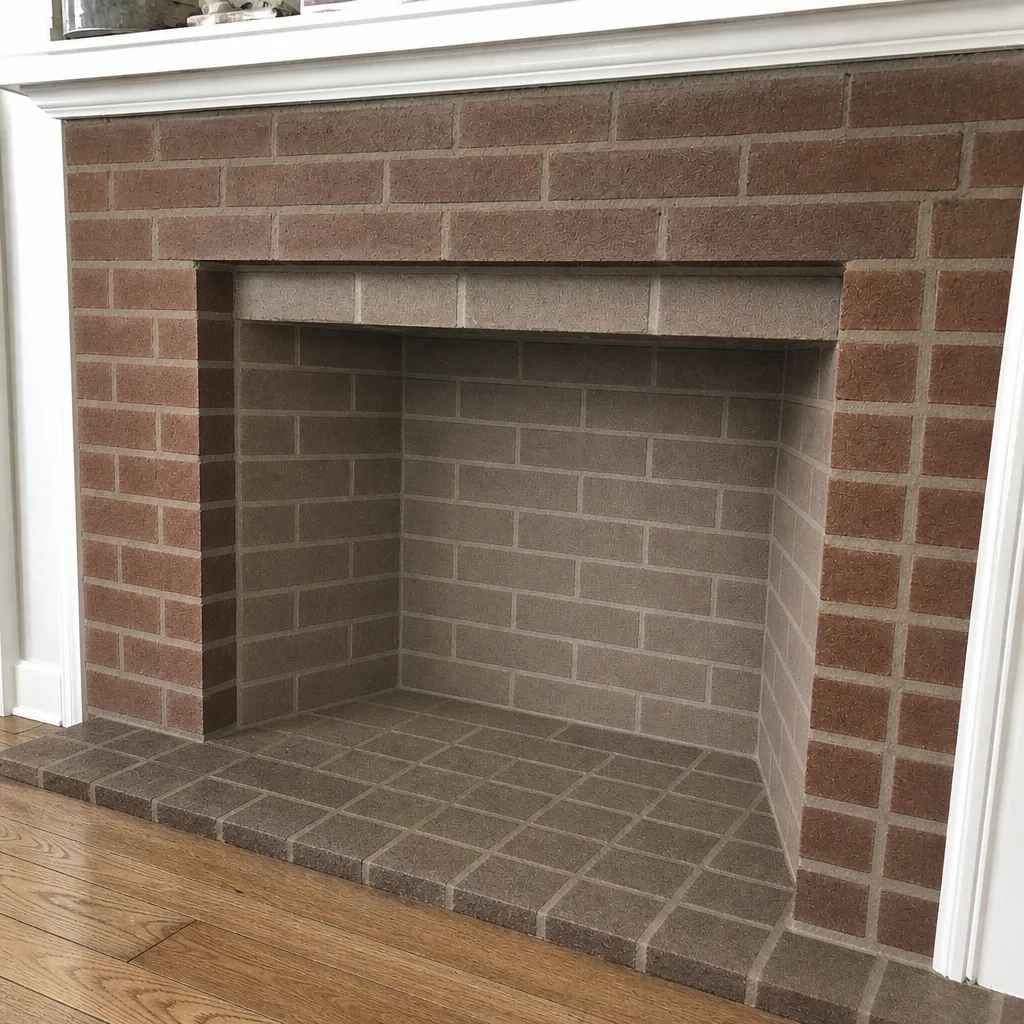
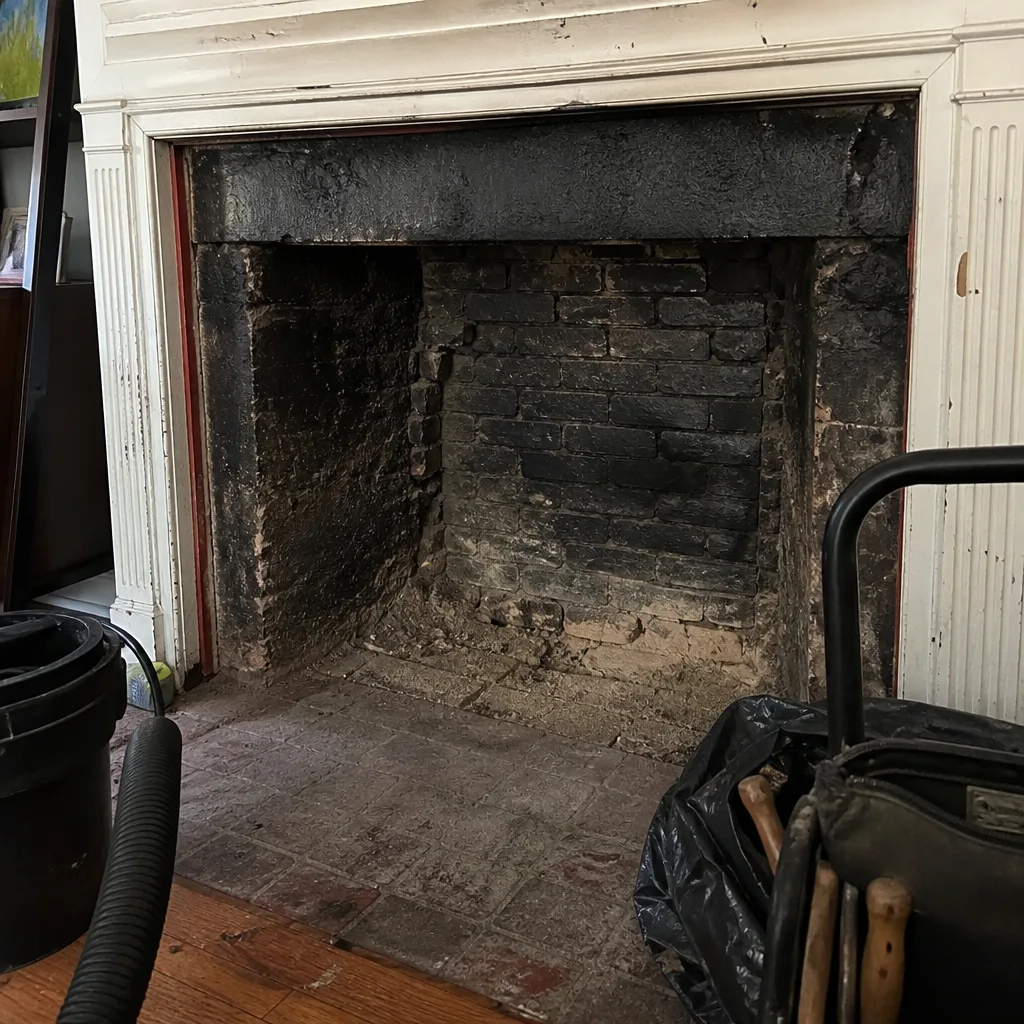
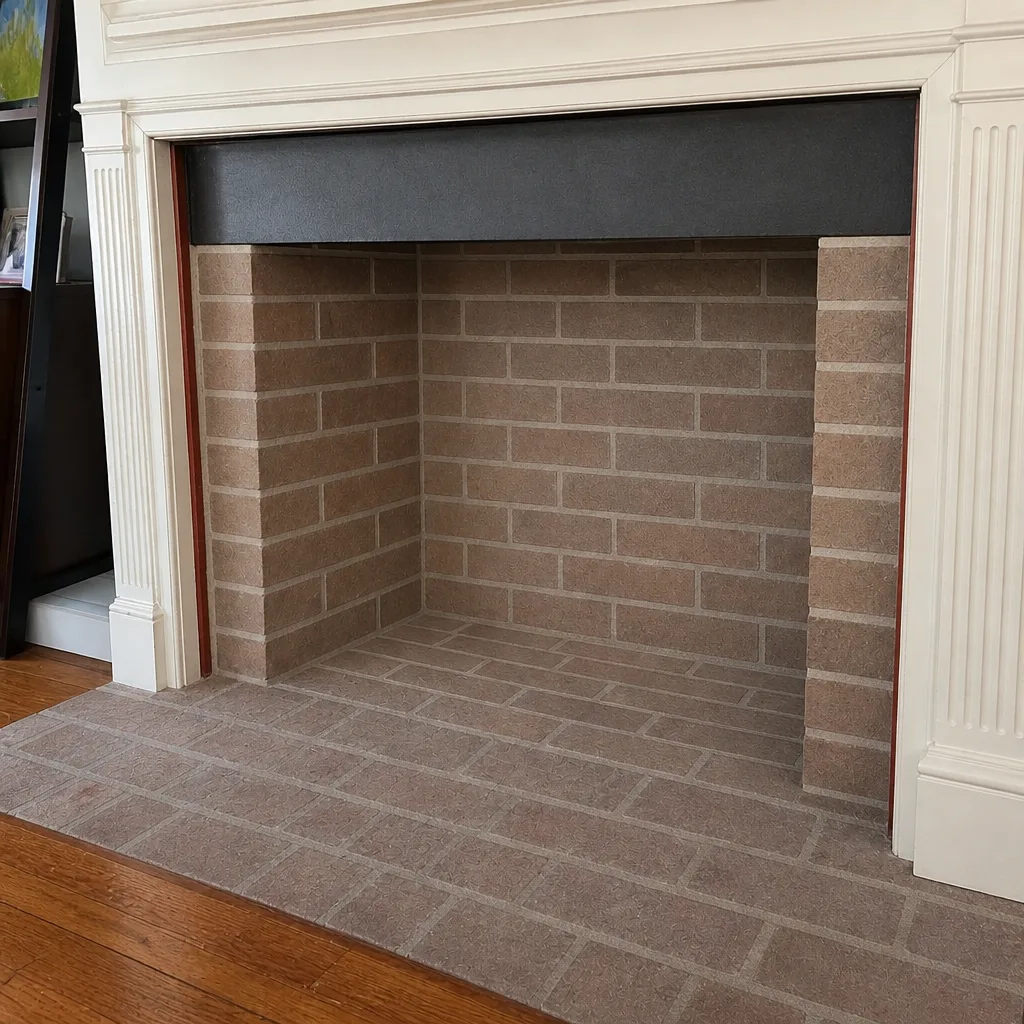
See the difference
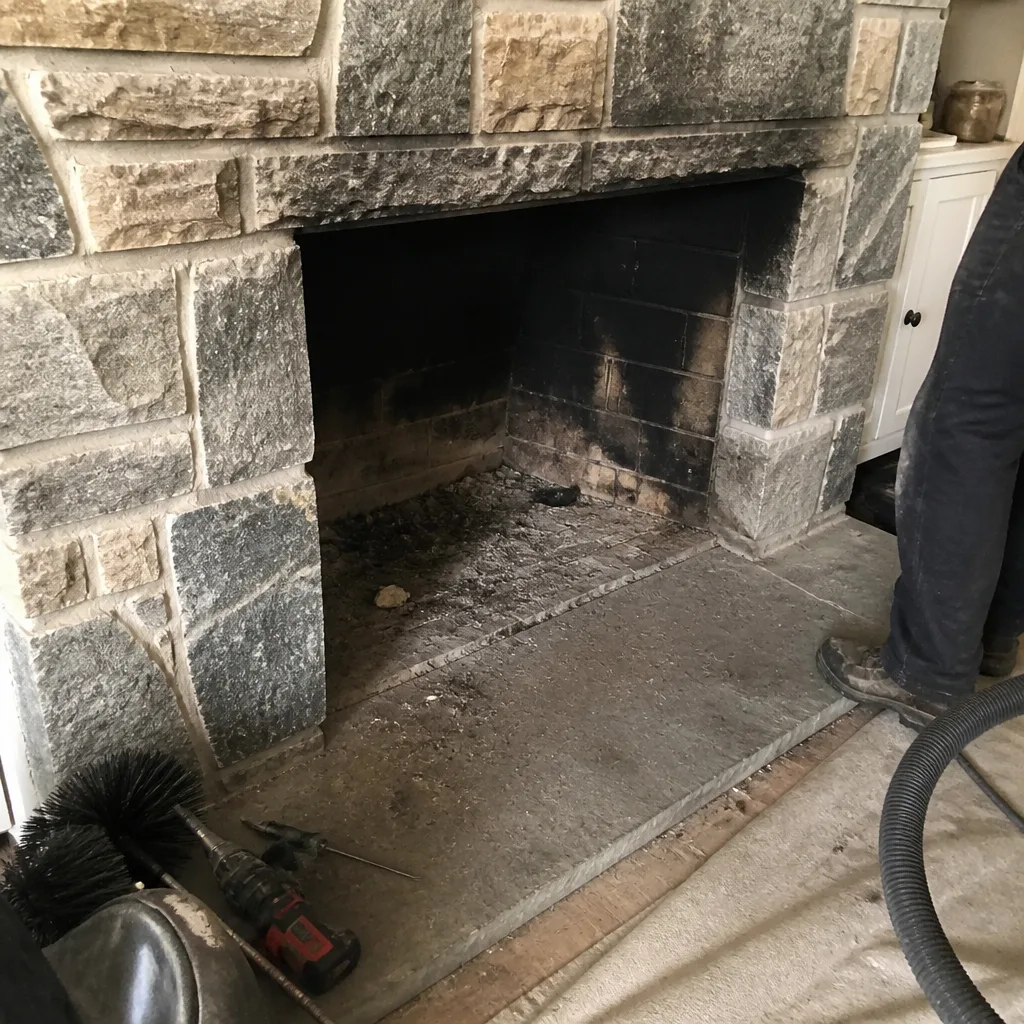 Before
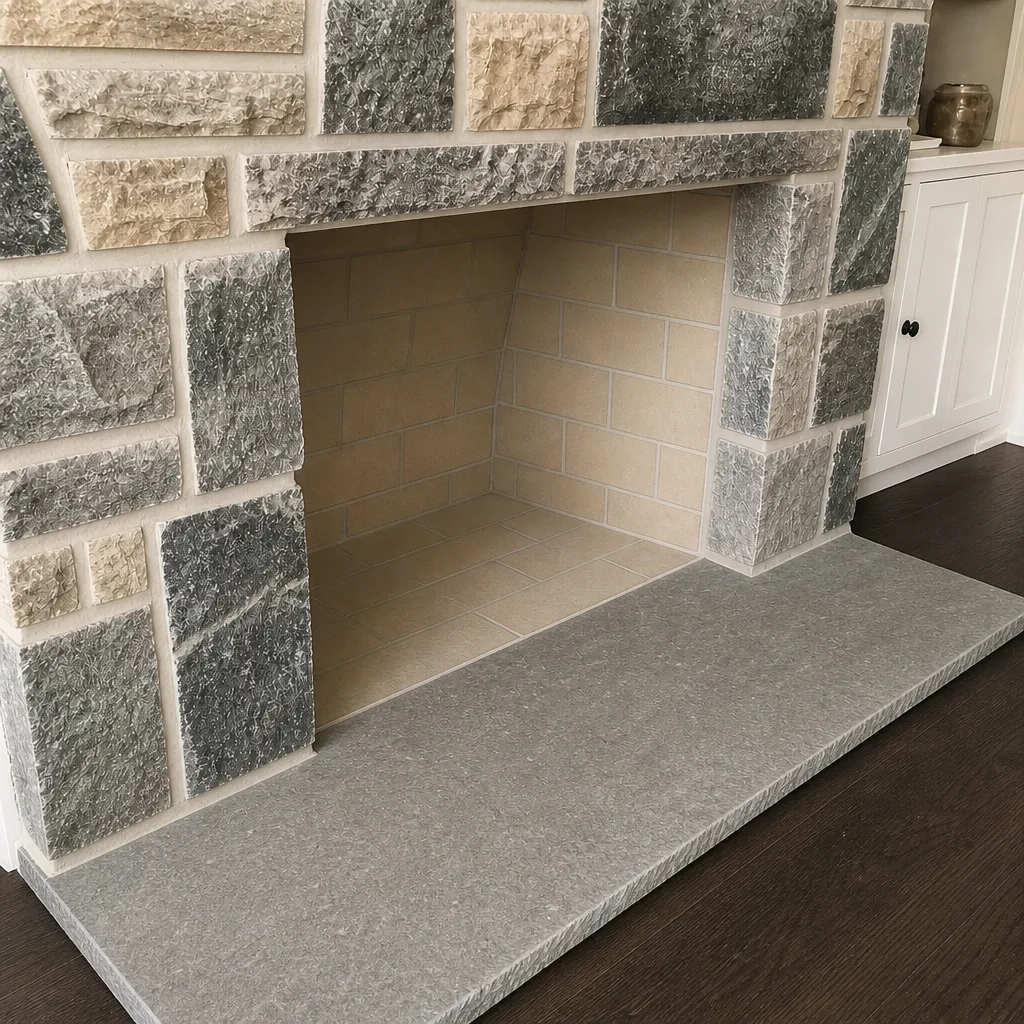 After
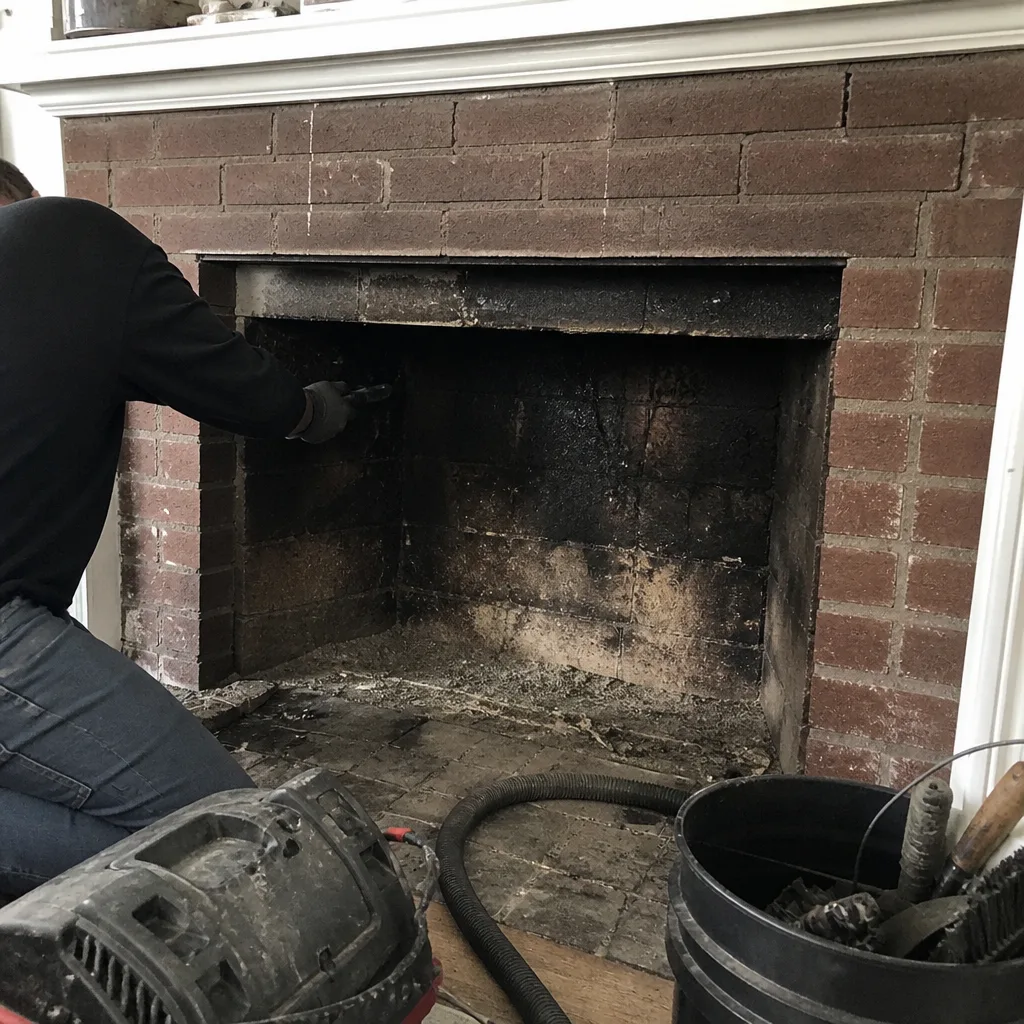 Before
 After
 Before
 After
When to Call a Professional
Some signs are clear calls for a trained professional, not a homeowner check. If you smell smoke backing into the room when the fireplace is lit, stop using it and call. If the flue looks blocked or a bird has nested, don’t try to clear it yourself. If you see new water staining on the ceiling near the chimney, a loose cap, a cracked crown, or spalling brick that’s getting worse, those are all signs worth a visit. If it’s been more than a year since the last inspection – or you’ve never had one – that’s the simplest reason to call. And if you’re getting ready for the season, book the inspection early rather than after the schedule fills in. Chimney Sweep Bustleton offers free estimates in Bustleton – call (833) 350-7109. We answer 24/7. Fast dispatch from 7am to 7pm, Sunday through Friday. The price is set per job by the written estimate.
Frequently Asked Questions
Once a year is the right baseline for most Bustleton homes, ideally in early fall before the burning season. If you burn heavily, an inspection in late winter catches freeze-thaw damage early, and the fall visit keeps the system sound for the season. Two visits a year covers the common cases.
The smell in summer is usually a sign of moisture or debris inside the flue, plus the lack of draft from an unused fireplace. A closed-up chimney in Bustleton’s humid summer holds damp air against the masonry, which brings out the soot smell. A cap, a leak-free crown, and a clean flue go a long way toward fixing it.
We don’t recommend it. A flue brush alone doesn’t tell you whether the lining is sound, and it can miss small cracks, gaps, or a partial obstruction. A professional visit covers the inspection that a homeowner brush can’t. Small ground-level checks in between are fine and useful.
It covers the flue and liner, the firebox and damper, the crown, the cap, and the visible exterior masonry. It tells you whether the lining can handle a season, whether the cap and crown are preventing water, and whether any repair is needed. It’s the map for the rest of the year’s care.
It’s a serious early problem, not a serious late one. A cracked crown lets water in, and water is what drives most masonry damage. A crown repair done in spring or early fall is straightforward; a crown left another winter with water moving behind it becomes a rebuild. Fix it early.
September. The fall schedule in Bustleton fills quickly once the first cold snap hits, and waiting means you may not get an inspection before you want to use the fireplace. Booking in September keeps the inspection and any follow-up work on a comfortable timeline. Call (833) 350-7109 for an exact quote – estimates are free.
The Bottom Line
Chimney care in Bustleton works best as four seasons of action, not one autumn appointment. Late winter is for finding freeze-thaw damage before it sets in. Spring is for cap and crown work before the birds nest. Summer is for waterproofing and fixing the moisture sources. Fall is for the inspection-first sequence, booked early. That rhythm catches each problem closer to when it starts, and it’s easier on your wallet than the reactive cycle. Two professional visits a year, with simple homeowner checks in between, are enough for most Bustleton homes. Chimney Sweep Bustleton handles the whole system – sweep, cap, crown, liner, rebuild, and fireplace repair – so you don’t need a second contractor. Call (833) 350-7109 for a free estimate, and we’ll build the right schedule for your chimney.
Written by the team at Chimney Sweep Bustleton.