
Last updated November 22, 2026
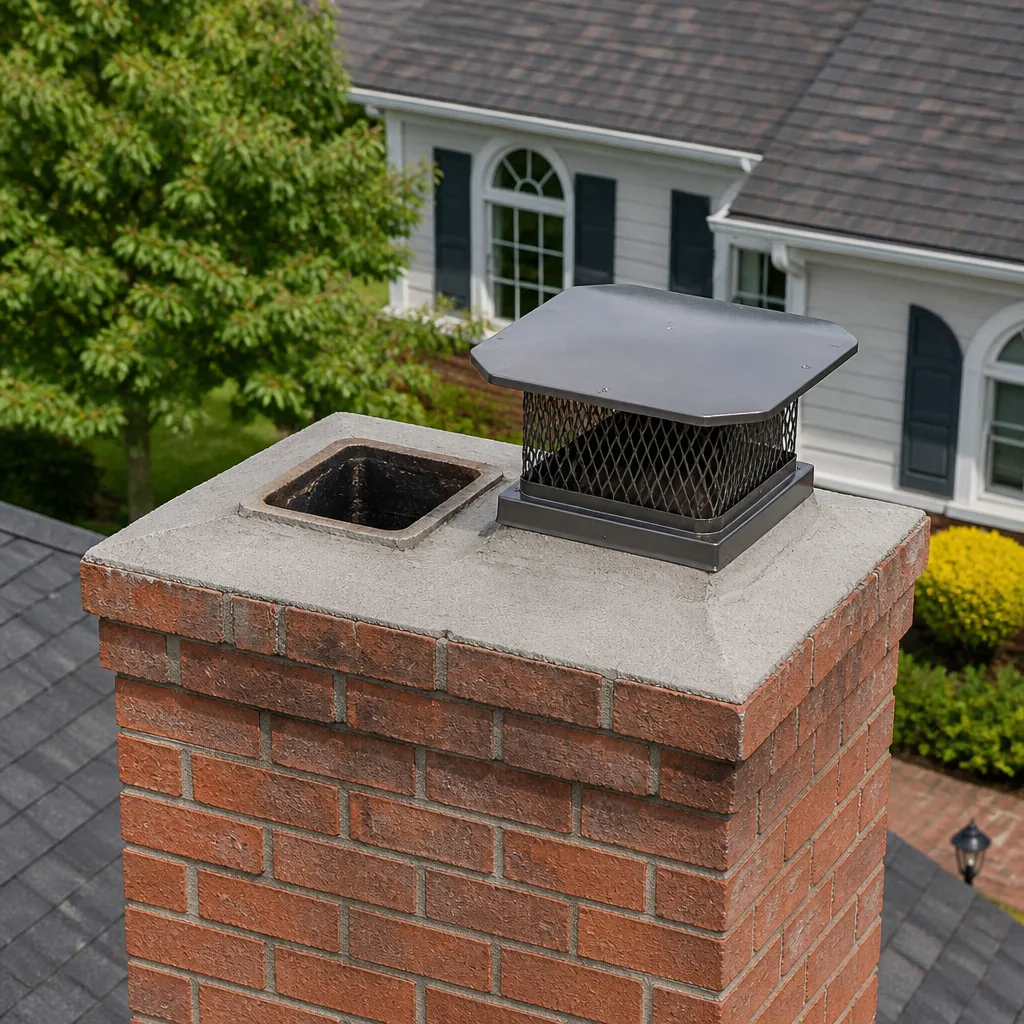 Sweep & inspection
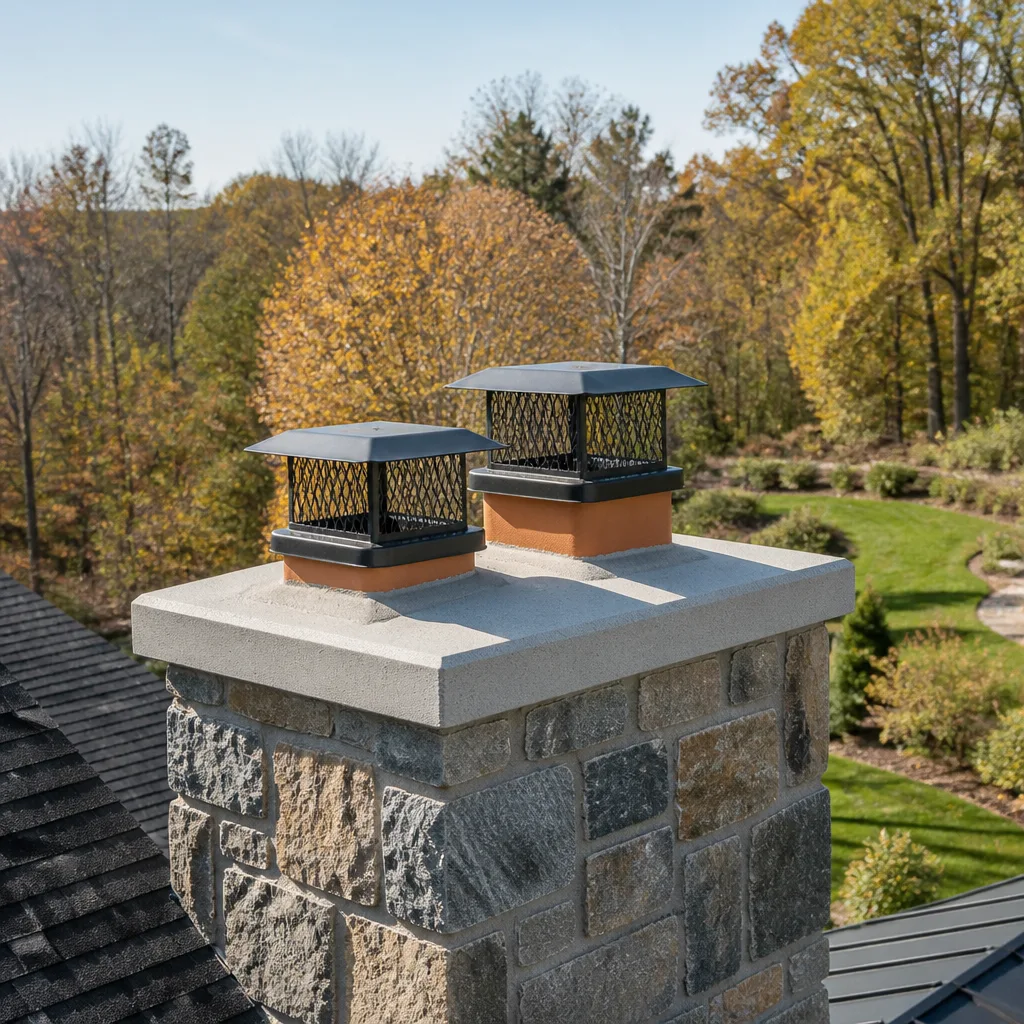 Caps & crowns
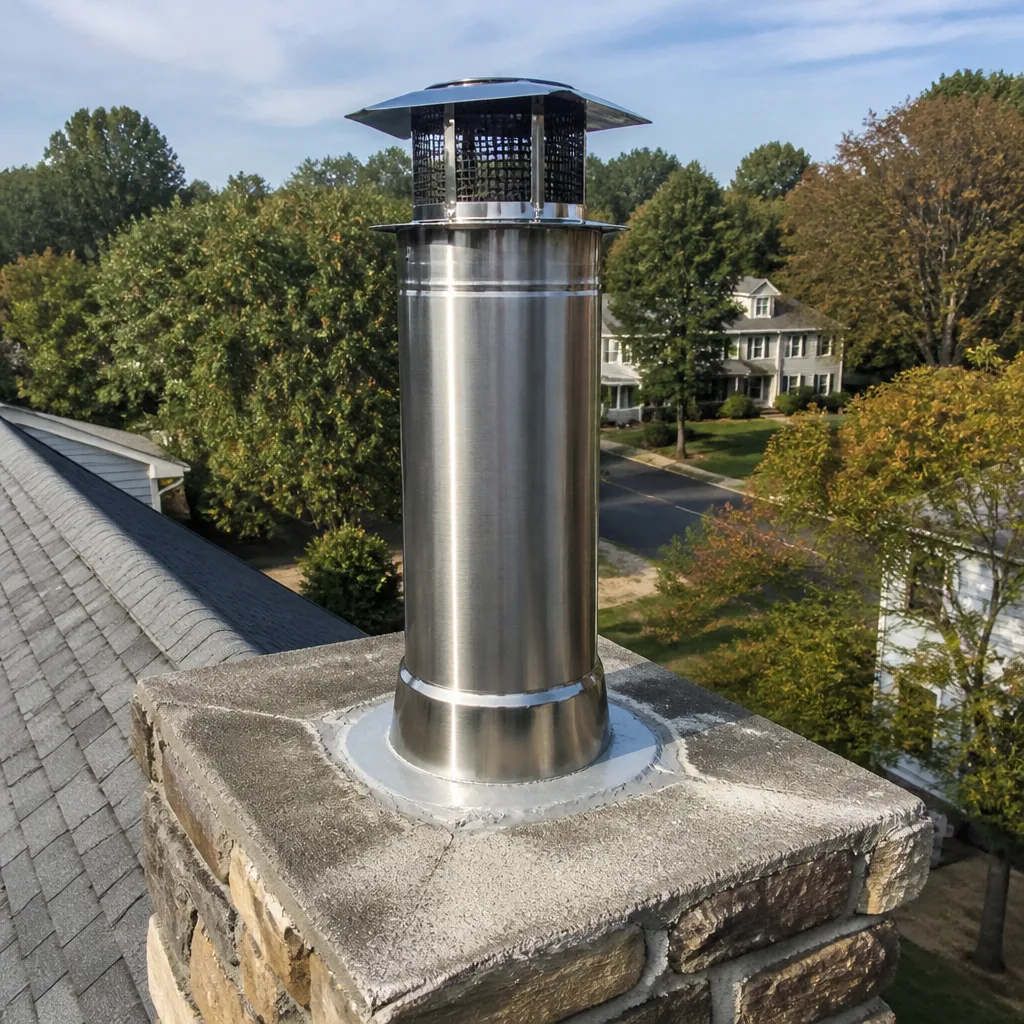 Flue relining
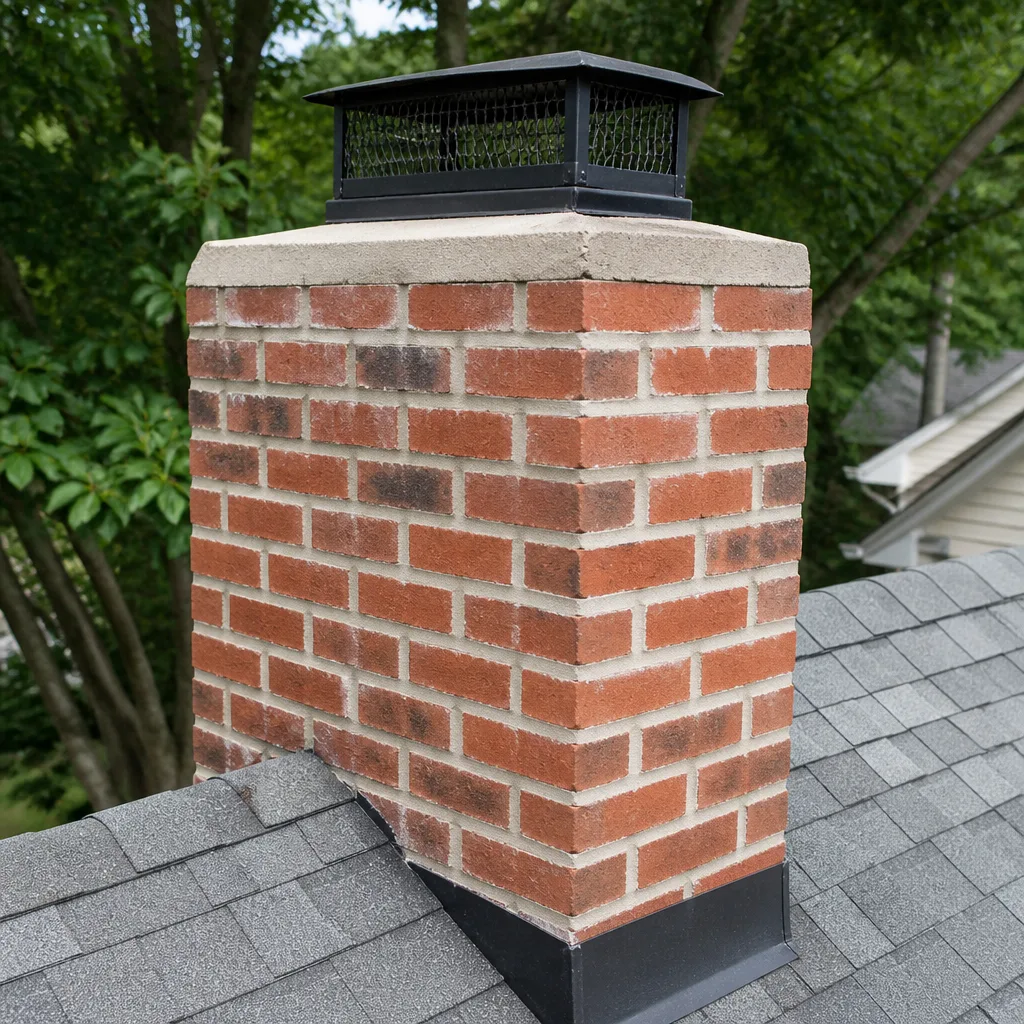 Masonry repair
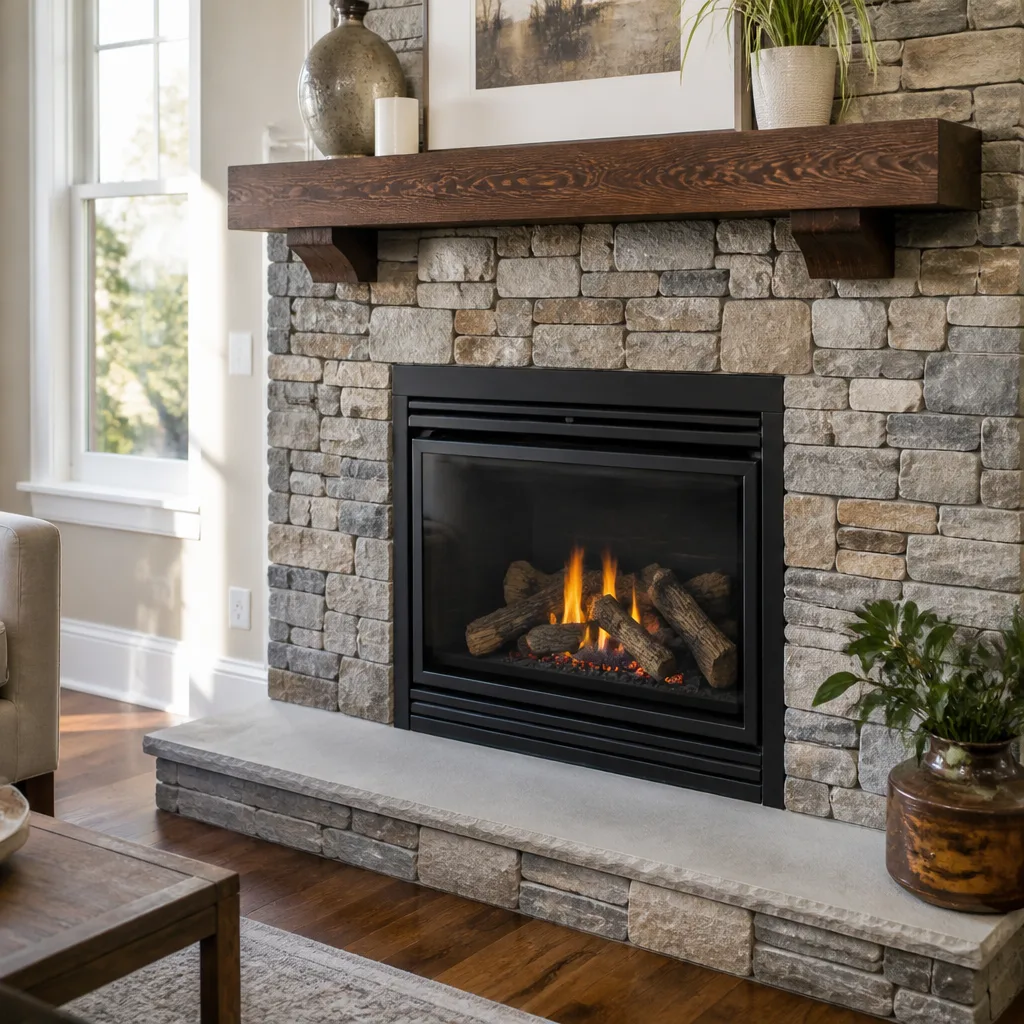 Gas fireplace service
Level 1 sweep and inspection to the NFPA 211 annual standard - flue, crown, cap, and flashing checked and photographed
Chimney sweep logs do not sweep chimneys. They loosen some creosote - which then falls where a brush and vacuum still have to collect it.
The Complete Guide to Chimney Cleaning in Bustleton
Most chimney fires in residential homes don’t start because a homeowner skipped an annual sweep. They start because the sweep only brushed the flue and nobody looked at the smoke shelf, the damper frame, or the liner seams where Stage 2 creosote accumulates first. The flue is the part everyone thinks about. The failures tend to live in the parts nobody inspects. In Bustleton, where a lot of homes hold older masonry chimneys alongside newer inserts and factory-built fireplaces, that gap matters more than most people realize. This guide maps the whole system, firebox to crown, and explains what a real cleaning actually addresses at each layer.
Quick Answer
Chimney cleaning in Bustleton is a diagnostic process, not a single task. A thorough cleaning covers the firebox, smoke shelf, damper, flue liner, smoke chamber, and crown, with creosote removed at every stage that has accumulated it. It ends with documentation: photos, inspection notes, and a liner condition report you keep on file.
Styles & brands we work with
- Sweep & inspection
- Caps & crowns
- Flue relining
- Masonry repair
- Gas fireplace service
Table of Contents
- What Chimney Cleaning Actually Covers
- Component by Component: What Gets Cleaned and Why
- How Bustleton’s Housing Mix Changes the Cleaning Approach
- The Three Stages of Creosote and How Each Is Removed
- Inspection Levels: When Annual Isn’t Enough
- What a Completed Cleaning Should Include as Documentation
- What You Should Never Handle Yourself
- When to Call a Professional
What Chimney Cleaning Actually Covers
A complete chimney cleaning treats the flue and the components connected to it as one system. The flue carries smoke, but the smoke passes through and past the smoke chamber, the damper, and the smoke shelf before it ever reaches the top. Creosote builds on all of them. A brush dropped down the flue cleans one tube and leaves the rest coated. That’s the difference between a sweep and a cleaning.
In our experience, the parts that get missed most often are the smoke shelf and the damper frame. Both sit directly in the path of rising smoke, both collect soot and sticky creosote, and neither can be reached with a standard flue brush. On a masonry chimney in Bustleton built before the 1970s, the smoke shelf can hold a crust several seasons thick. If a sweep company only handles the flue, that crust stays.
A full cleaning typically involves:
- Floor and hearth protection before any tool comes off the truck
- Mechanical brushing of the flue with the correct brush type for the liner material
- Cleaning the firebox, damper, and smoke shelf by hand
- Vacuuming the smoke chamber with a HEPA unit so no dust enters the room
- Inspecting the liner seams, cap, and crown while the chimney is open
- Photographing the flue interior and recording liner condition
That is what our chimney sweep involves on a standard visit. It’s also the minimum we’d expect from any company you hire in Bustleton, regardless of price.
Component by Component: What Gets Cleaned and Why
Every part of a chimney system has a specific job, and every part has a specific failure mode when it isn’t cleaned. Here’s the breakdown, from the bottom up.
The firebox
The firebox is where the fire burns, and it collects ash, soot, and creosote flecks from every fire. It’s also where cracks and gaps in the firebrick or mortar joints first show up. Cleaning the firebox means removing ash and soot, but it also means inspecting the firebrick and joints for damage. A cracked firebox allows heat and gases to reach the structure behind it, which is not something you want to leave alone.
The smoke shelf
The smoke shelf is a flat ledge just above the damper. It catches soot and creosote that drop back down the chimney and can hold a heavy deposit that never gets touched by a flue brush. It’s also a common source of that smoky smell you notice on a cold, damp day when the fireplace isn’t in use. Cleaning the smoke shelf is one of the parts a sweep-only visit skips.
The damper
The damper opens and closes the flue. Its frame and edges collect creosote, and a damper that no longer seals properly lets heat out and cold air in when the fireplace is idle. Cleaning around the damper frame also lets us check that it opens fully and closes cleanly. A stuck damper is a safety issue, not just an inconvenience.
The flue liner
The liner is the flue’s protective wall. It carries smoke and gases straight up and keeps heat away from the masonry or wood framing around it. Cleaning the liner means brushing it with the correct tool for its material and checking the seams while the chimney is open. A flexible liner has seams that can separate. A clay tile liner has joints that can crack. Photos of the liner interior are the only way to verify what condition it’s in.
The smoke chamber
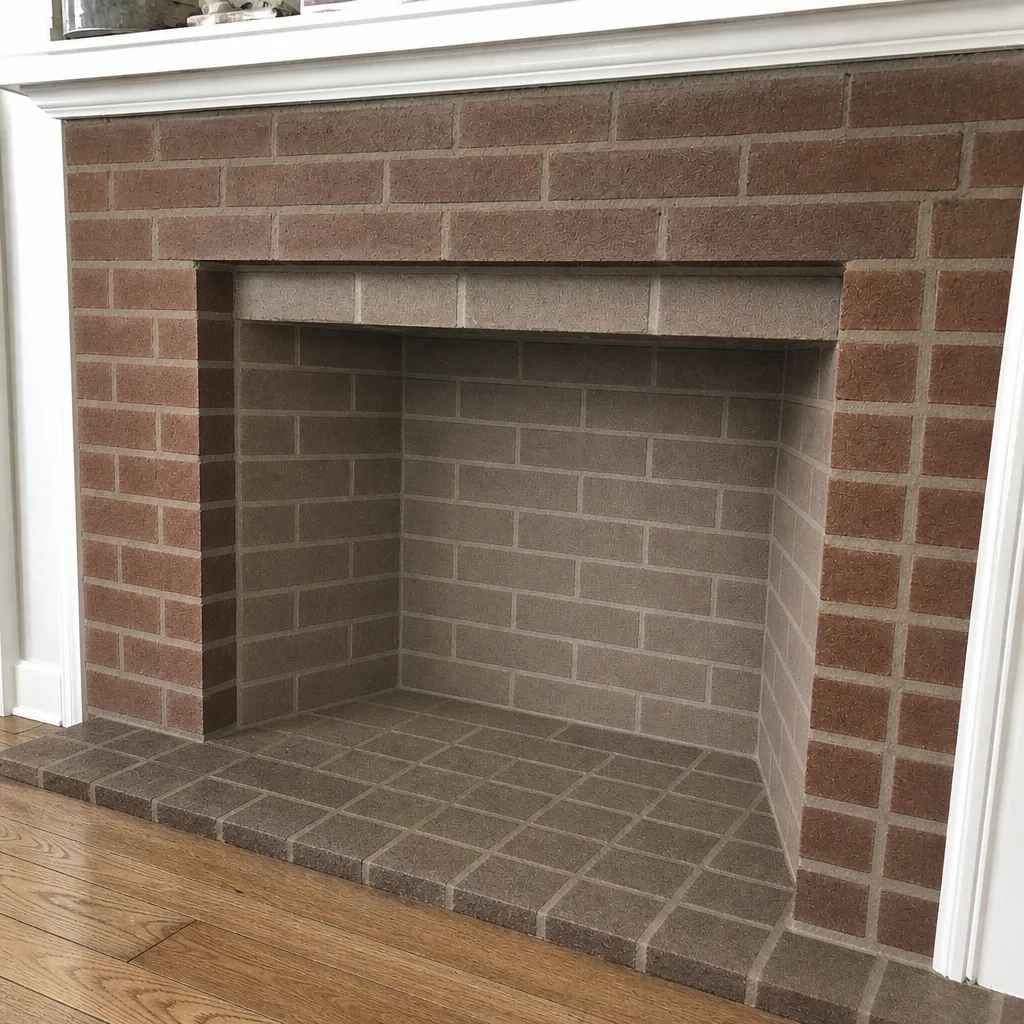
The smoke chamber is the sloped section between the damper and the flue. It’s a common place for creosote to build up because it’s hard to reach and easy to ignore. It’s also a reason HeatShield resurfacing exists: a rough or damaged smoke chamber can be smoothed and restored rather than rebuilt. Cleaning this area properly takes a vacuum built for the job, not a shop vac.
The crown
The crown is the concrete cap at the top of the masonry chimney. Its job is to shed water away from the chimney structure. A cracked crown lets water in, and water is the most common cause of masonry chimney damage in this part of Pennsylvania. Cleaning the chimney doesn’t fix a cracked crown, which is why our chimney cap & crown service exists as a dedicated visit. A purpose-engineered cap from Gelco or Famco keeps rain, birds, and debris out of a clean flue.
How Bustleton’s Housing Mix Changes the Cleaning Approach
Bustleton isn’t a single kind of neighborhood. You’ll find 1920s rowhouses and twins, 1950s and 1960s single-family homes, and newer construction with factory-built fireplaces. Each one needs a different approach, and a sweep who treats them all the same will miss things.
An older Bustleton rowhouse or twin typically has a solid masonry chimney with a clay tile liner. Those liners crack with age and shift as the house settles. The smoke shelf is likely to be heavily loaded, and the crown has probably taken decades of freeze-thaw cycles. Freeze-thaw is the local factor that matters most: water gets into small cracks, freezes overnight in a Bustleton January, expands, and widens the crack. Over years, a hairline crack in the crown becomes a real gap. The cleaning approach is hands-on and slow, and the inspection focuses hard on the liner joints and crown.
A factory-built fireplace, common in newer construction or in homes where a wood-burning insert was added, has a stainless steel flue and its own set of cleaning requirements. The brush type has to match the liner material, the clearances around the unit matter, and the manufacturer’s specs govern what can and can’t be done. A flexible liner system like DuraFlex is a common professional-grade option when an older masonry chimney needs to be relined to serve a modern appliance safely.
| Chimney type | Typical Bustleton housing | Cleaning focus |
|---|---|---|
| Masonry with clay tile liner | 1920s – 1960s rowhouses and twins | Smoke shelf, liner joints, crown cracks, freeze-thaw damage |
| Masonry with flexible liner | Older homes with inserts or retrofitted appliances | Liner seam integrity, smoke chamber, appliance clearances |
| Factory-built fireplace | Newer construction and additions | Stainless flue condition, cap, manufacturer clearances |
If you’re not sure which type you have, that’s a normal starting point. Determining it is part of the first visit, not something you’re expected to figure out before calling.
The Three Stages of Creosote and How Each Is Removed
Creosote builds in three distinct stages, and each stage needs a different removal method. Using the wrong method on the wrong stage either damages the liner or leaves the deposit in place.
- Stage 1: Soot and light flaky creosote. This is the fresh deposit that builds after a handful of fires. It’s dusty, easy to sweep, and comes off with a standard brush. Most homes operating a fireplace in normal, well-seasoned wood conditions stay within Stage 1 between annual cleanings.
- Stage 2: Hard, dry, brittle creosote. This builds when creosote has been reheated before it could be cleaned. It’s a crust that clings to the flue walls and won’t come off with a standard brush. It usually needs mechanical removal with a rotary tool and, on some liners, a chemical treatment such as Anti-Creo-Soot to break down the deposit before brushing.
- Stage 3: Glazed, hardened tar. This is heavily baked-on creosote that looks like a dark glaze on the flue wall. It’s the most combustible stage and the hardest to remove. Stage 3 deposits need chemical treatment followed by mechanical removal, and if the deposit has compromised the liner itself, the read may be that the liner needs replacing rather than cleaning.
The practical point: the creosote stage determines the tools and the time. A job that looks like a simple brush-through can turn into a rotary-tool job once the flue is open. Our technicians have up to 9 years of experience and know how to identify which stage they’re looking at before any tool goes up the flue.
Why the wrong wood matters less than the wrong habit
Unseasoned wood does produce more creosote, but in our experience the bigger factor is a low, smoldering fire. A fire that’s constantly choked down with the damper partly closed produces more creosote than a hot, well-drafted burn. If the smell of smoke lingers in the house long after the fire is out, that’s a sign worth mentioning when you book.
The connection to chimney fire
Stage 2 and Stage 3 creosote are combustible. When a hot fire sends flames or hot gases up the flue, that deposit can ignite. A chimney fire can be loud or quiet, and it can do damage to the liner that isn’t visible from below. That is the real reason cleaning matters, and it’s why a thorough sweep that looks for every stage matters more than a quick brush.
Inspection Levels: When Annual Isn’t Enough
A yearly inspection is the baseline, not the ceiling. There are specific events that call for a Level 2 inspection, which includes a video scan of the flue interior and sometimes the smoke chamber. If any of these apply to you, book the Level 2 rather than a standard cleaning:
- Buying a home in Bustleton. A home inspection almost never covers the chimney interior. A Level 2 inspection before purchase tells you what you’re actually buying, including liner condition and any structural repair that’s needed.
- After a storm. Summer storms and winter ice can shift masonry, crack crowns, and dislodge caps. The chimney is the highest point on the house and takes the most weather.
- Adding or replacing an appliance. A new wood insert, a gas log set, or a replacement fireplace changes how the flue is used. Clearances and liner needs change with it.
- Extended disuse. A chimney that’s been closed up for years can collect debris, animal nests, and moisture damage. It needs a full inspection before the first fire, not after.
- After any chimney fire. Even a small one can crack a liner. The only way to know is to look with a camera.
We also recommend a Level 2 scan whenever the flue has a transition the eye can’t see, such as a fireplace that was converted from wood to gas. The camera shows the condition of the liner seams and any Stage 3 creosote in sections that can’t be brushed from above.
What a Completed Cleaning Should Include as Documentation
Documentation is where a thorough cleaning separates itself from a brush and a wave goodbye. If you asked us what a cleaning report should include, here’s the answer: everything a second company would need to understand your chimney’s condition, and everything you’d want if you sell the home.
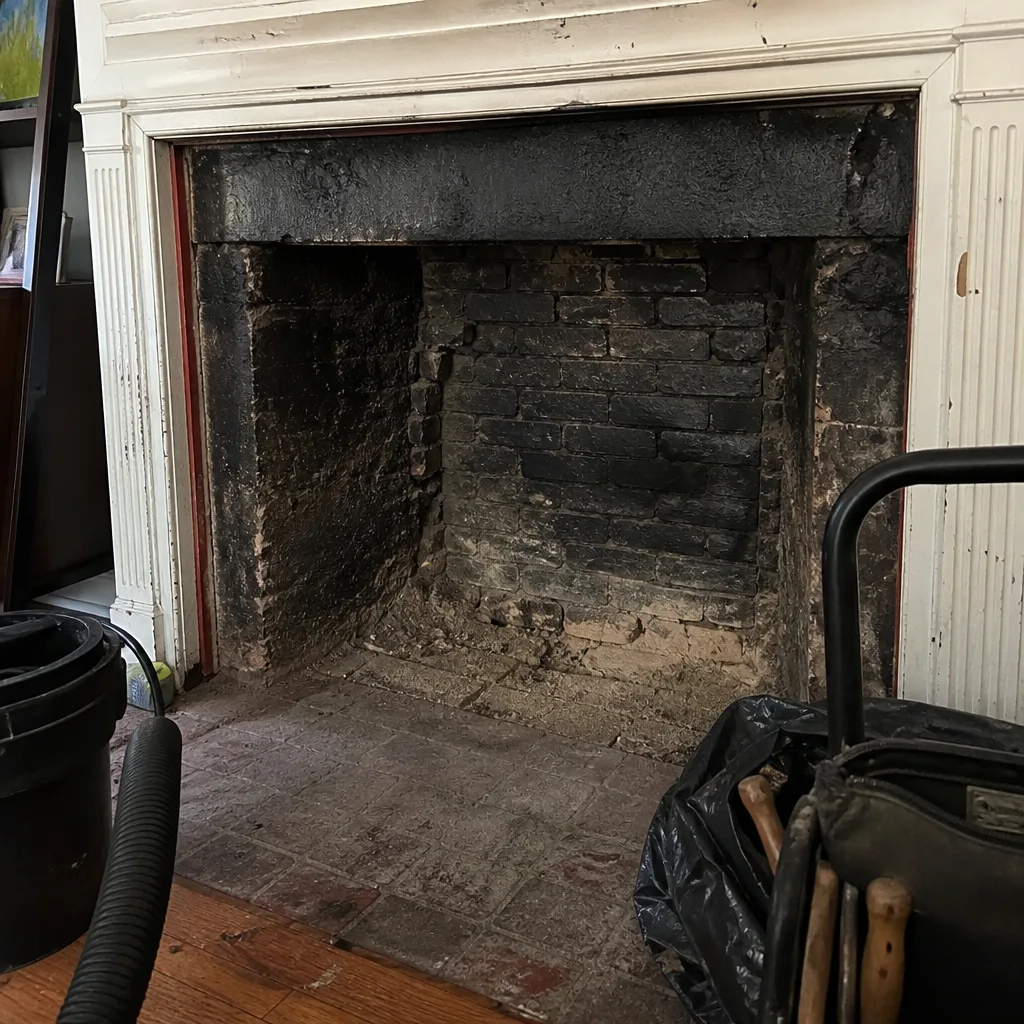
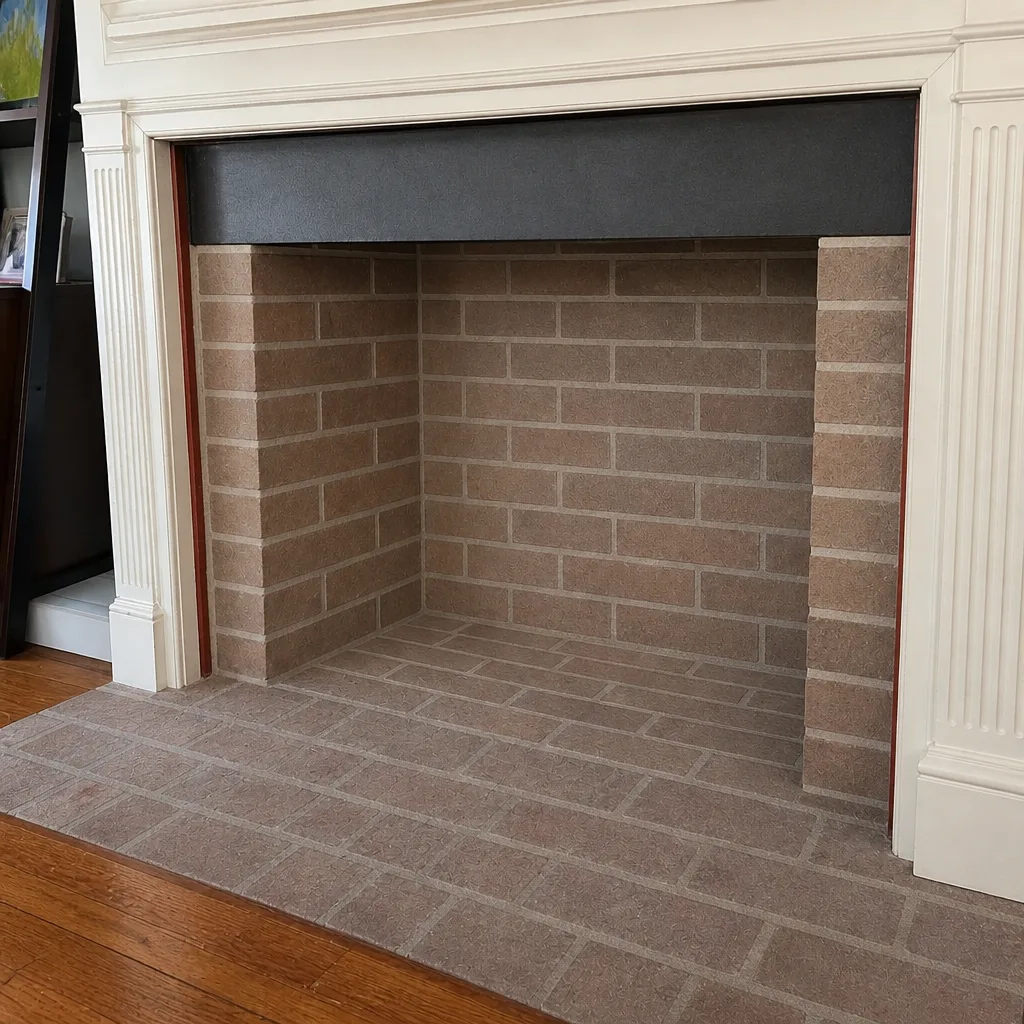
- Photos of the flue interior before and after. These show what was found and what was removed. There’s no way to argue with a photo of the liner seam.
- Inspection notes on each component. Firebox, smoke shelf, damper, flue, smoke chamber, crown, and cap should each get a note, even if the note is “clean and in good order.”
- A liner condition report. Any cracks, separated seams, or thin spots noted during the camera scan, with a recommendation on whether it needs repair now or can be watched.
- The creosote stage found. Stage 1, 2, or 3, and what was needed to remove it.
- Any recommended next step, with a timeline. Repair that can wait six months, repair that should be done before next season, or repair that can’t wait. You should leave knowing which category applies.
If any work is recommended, the chimney repair estimate should be in writing and separate from the cleaning. Our estimates are free, and the price is set per job by the written estimate. You’ll see the photos before anything is recommended. In our experience the biggest worry homeowners bring to us is being told they need a liner they have no way to verify. The camera evidence is how we answer that.
What You Should Never Handle Yourself
Some chimney maintenance is safe to think about. Some of it needs a trained professional, and that line matters.
A chimney is a system that carries fire and carbon monoxide. Brushing a flue from the roof means working on a steep, wet, or icy surface at the highest point on the house. That’s a fall risk even for a confident homeowner. Beyond the fall hazard, there’s the deposit itself: Stage 2 and Stage 3 creosote can ignite while a brush is being used if the deposit is heavy enough, and the wrong brush on a flexible liner can tear the seam.
The chimney interior is also where carbon monoxide from a blocked or damaged flue can enter the house. A blockage from an animal nest, a fallen cap, or a collapsed liner tile is not something to brush out from above without a camera to confirm what’s happening. And on masonry chimneys, any repair that involves the firebox, the liner joints, or the crown has code requirements around clearances and materials. Most cities require a permit for structural chimney work, so ask your city’s building department before any rebuild.
What you can safely do: keep the area around the hearth clear, tell the technician what you’ve noticed when you book, make sure you have working carbon monoxide detectors in the home, and check the outside of the cap and crown from the ground. That’s it. The rest is what we’re for.
Common Mistakes to Avoid
- Treating the cleaning as a flue-only job. A brush down the chimney leaves the smoke shelf, damper frame, and smoke chamber untouched, and those are where Stage 2 creosote builds first. Ask what the visit will cover before you book.
- Using any brush on any liner. A wire brush on a flexible liner or a factory-built flue can damage the surface. The brush has to match the liner material, and the wrong one is worse than no cleaning at all.
- Skipping the inspection on a home you’re buying in Bustleton. A standard home inspection rarely looks inside the flue. A Level 2 scan is the only way to know the liner condition before you close.
- Burning unseasoned wood and blaming the chimney. Green wood or a smoldering fire produces more creosote than a hot, well-drafted burn. Season your wood and don’t choke the fire down to keep it from burning too fast.
- Ignoring a cracked crown until it’s a masonry problem. Water getting into a small crown crack through Bustleton’s freeze-thaw winters turns into a structural repair if it’s left for several seasons. A crown is far cheaper to fix than a chimney rebuild.
- Cleaning but never reporting. A cleaning with no photos and no written notes leaves you with no record of what was found. If a liner problem shows up next season, you’ll have nothing to compare it against.
- Skipping the visit after an extended shutdown. If the fireplace sat unused for several seasons, book a full inspection with a camera before the first fire, not after.
See the difference
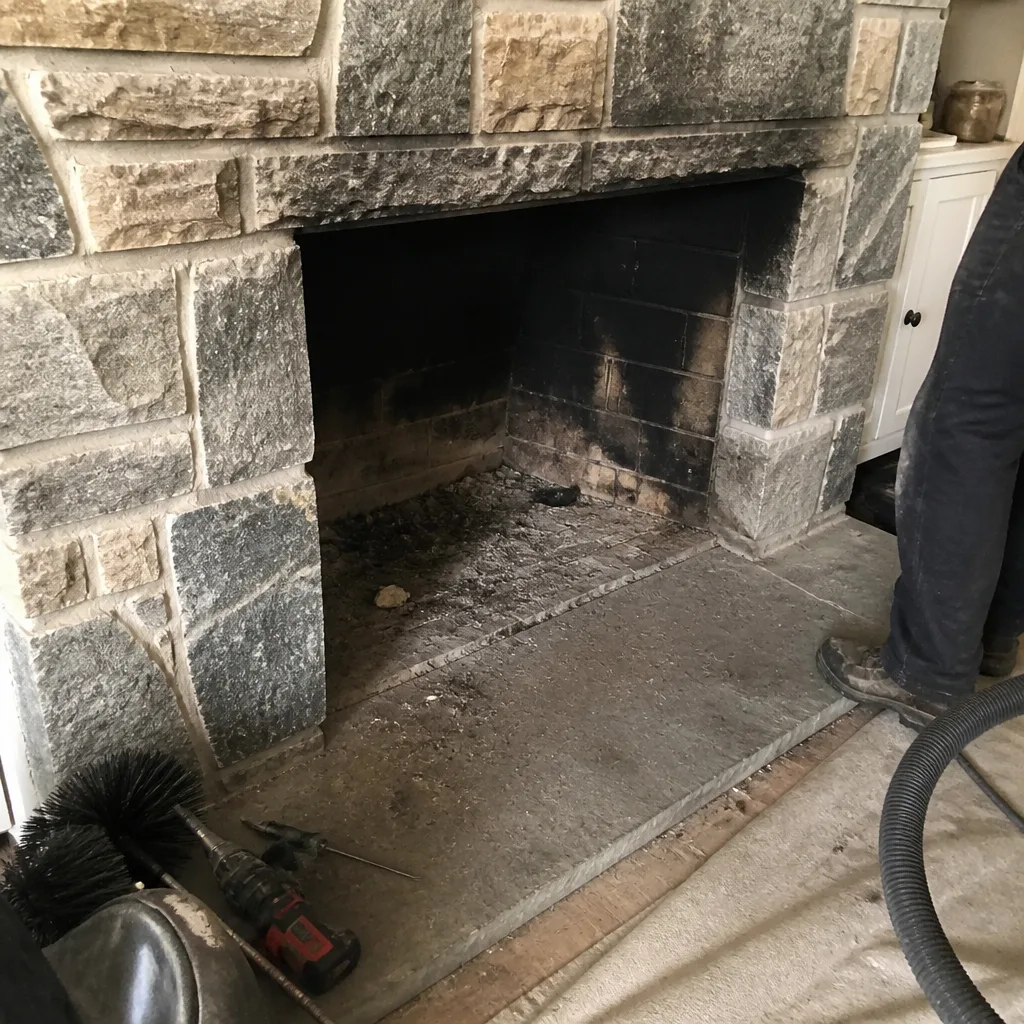 Before
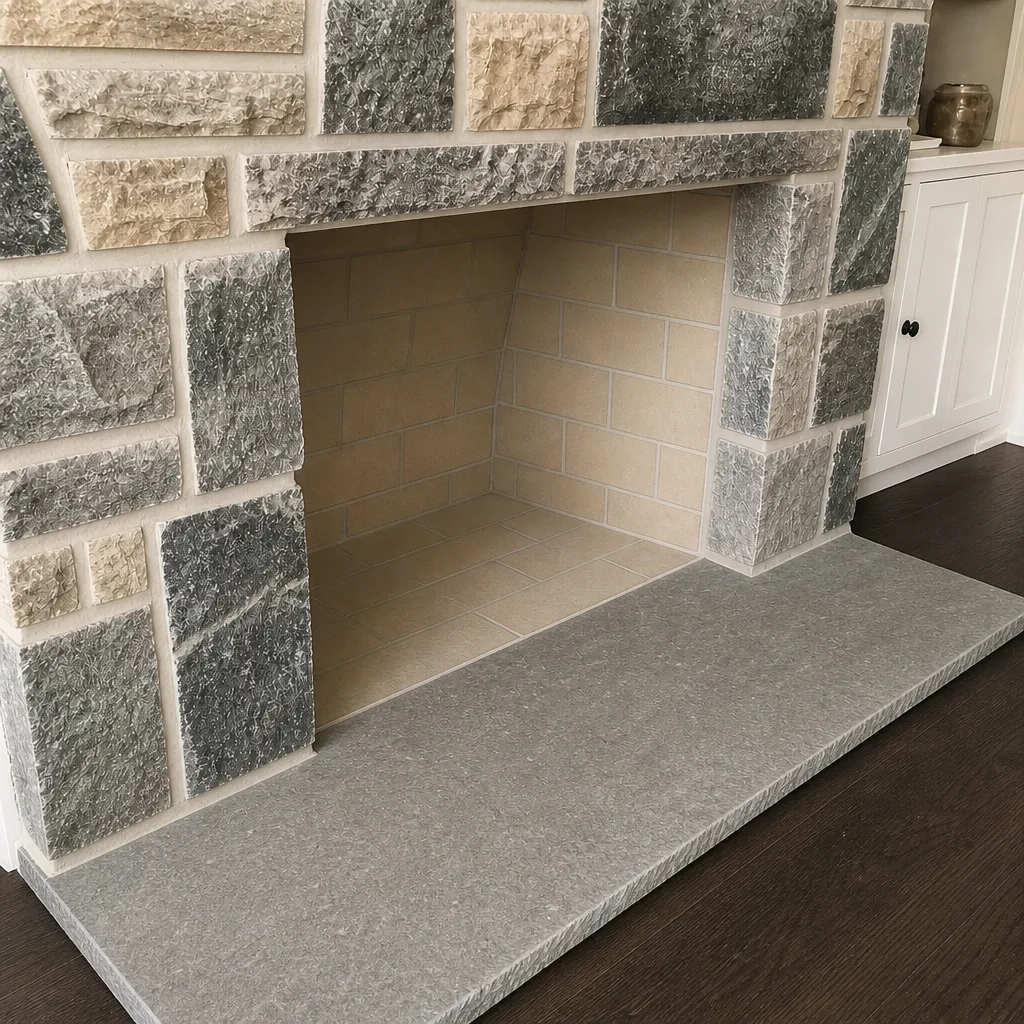 After
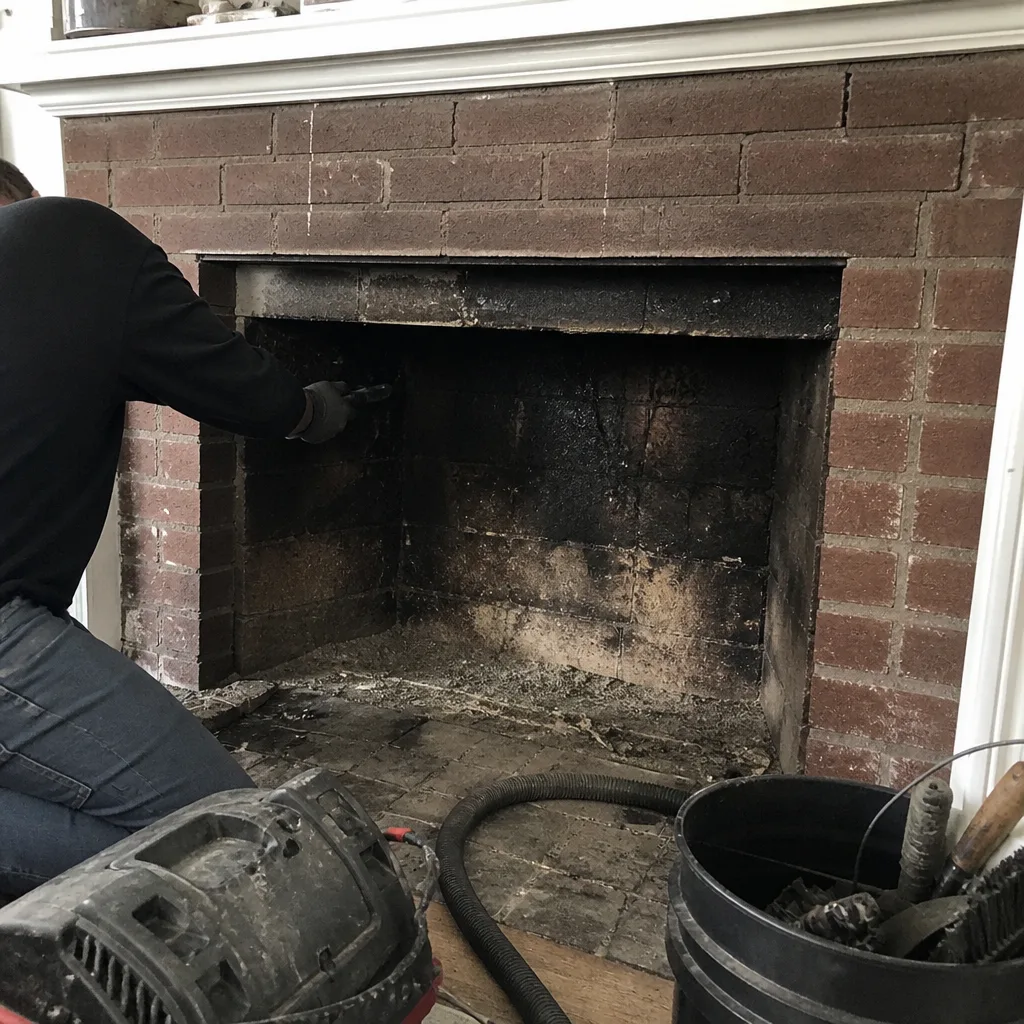 Before
 After
 Before
 After
When to Call a Professional
Call us when any of these apply: you can’t remember the last time the chimney was cleaned; you’re buying or selling a home in Bustleton and the inspection report doesn’t cover the flue; there was a chimney fire, even a small one; a storm knocked the cap loose or cracked the crown; the fireplace hasn’t been used in several years and you want to fire it up; or you’ve noticed a smoky smell in the house on cold, damp days when no fire is burning. Any of those is reason enough. If you’re unsure, call and describe what you’ve noticed and we’ll tell you whether a cleaning, an inspection, or a repair quote makes more sense.
Chimney Sweep Bustleton offers free estimates. Call (833) 350-7109. We answer 24/7. Fast dispatch from 7am to 7pm, Sunday through Friday.
Frequently Asked Questions
A standard chimney cleaning in Bustleton typically runs in the range of $180 to $350, depending on how much creosote has built up, the liner type, and whether a Level 2 inspection with a camera is included. Jobs with heavy Stage 2 or Stage 3 creosote take longer and need rotary tools or chemical treatment, which moves the estimate higher. The estimate is free, and the written estimate sets the final price before any work begins. Call (833) 350-7109 for an exact quote.
Not unless the camera evidence shows the liner is cracked, separated, or compromised. A liner is the flue’s protective wall, and a cracked liner lets heat reach the masonry or framing behind it. The right answer is to look with a camera, show you the photos, and tell you plainly whether the liner needs repair now, can be watched for another season, or needs replacing. Our technicians have up to 9 years of experience reading those scans, and we won’t recommend a liner without photo evidence you can see yourself. Call (833) 350-7109 to book an inspection.
Once a year for a home that uses the fireplace regularly, and once a year even for a home that doesn’t, because a chimney that sits idle still collects debris and moisture damage. If you burn often, burn wet wood, or notice smoke lingering in the house after a fire, a mid-season check is worth it. Book before the burning season, not after. Call (833) 350-7109 to get on the schedule.
Creosote keeps building in stages, and Stage 2 and Stage 3 deposits are combustible. A hot fire can ignite them, and even a small chimney fire can crack the liner without any obvious sign inside the house. Beyond fire risk, a blocked or damaged flue can let carbon monoxide into the home. That’s not a scare tactic; it’s the reason annual cleaning matters. A cleaning is far less expensive than a liner replacement. Call (833) 350-7109 to book.
Most homes need both, and they happen in the same visit. A cleaning removes the deposit; an inspection records what was found at every component. If you’re buying a home, had a chimney fire, had storm damage, or the chimney sat unused for years, you need a Level 2 inspection with a camera scan rather than a cleaning alone. If you’re not sure which applies, call (833) 350-7109 and describe what’s going on.
Yes. Proper floor and hearth protection go down before any tool comes inside, and the smoke chamber is vacuumed with a HEPA unit so dust doesn’t get into the room. If a company shows up without those tools, that’s a sign to ask questions. Call (833) 350-7109 to book a cleaning that includes the full setup and the documentation at the end.
The Bottom Line
A chimney cleaning in Bustleton is a full-system inspection and cleaning, not a flue brush and a wave goodbye. It covers the firebox, smoke shelf, damper, flue liner, smoke chamber, and crown. It identifies the creosote stage and removes it with the right tool for the liner material. It ends with photos, inspection notes, and a liner condition report you can keep and compare against next year. If you burn regularly, book it before the burning season. If you’re buying a home or the chimney has sat unused for years, book the Level 2 inspection. And if you’re not sure which you need, that’s a call worth making early. We handle the full system from the sweep through a liner install or a rebuild, and we use professional-grade products like DuraFlex liners, HeatShield resurfacing, and Olympia Chimney components because the right material is specified by name.
Call Chimney Sweep Bustleton at (833) 350-7109 for a free estimate. We answer 24/7. Fast dispatch from 7am to 7pm, Sunday through Friday. Whether it’s a routine Chimney Sweep Bustleton visit or a full-system inspection, we’ll show you what we found and tell you what can wait.
Written by the team at Chimney Sweep Bustleton.