
Last updated November 22, 2026
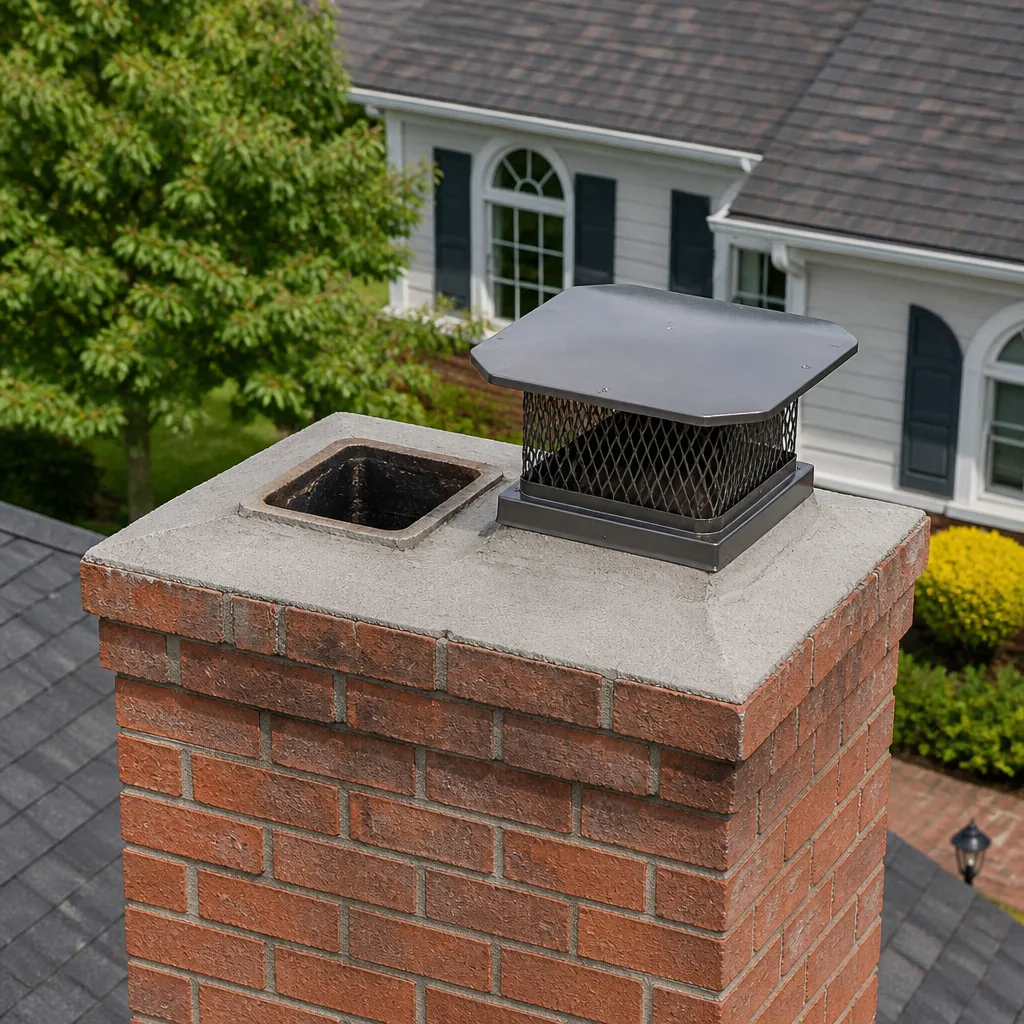 Sweep & inspection
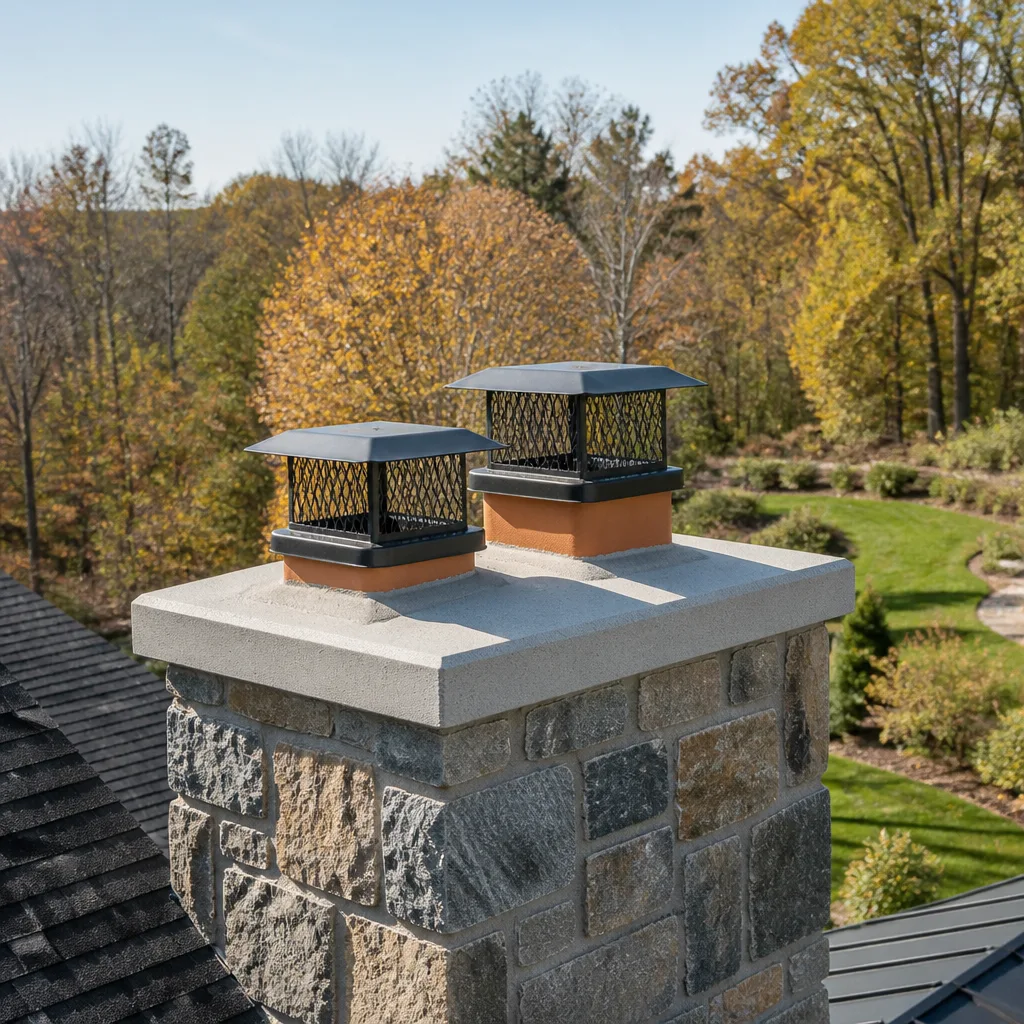 Caps & crowns
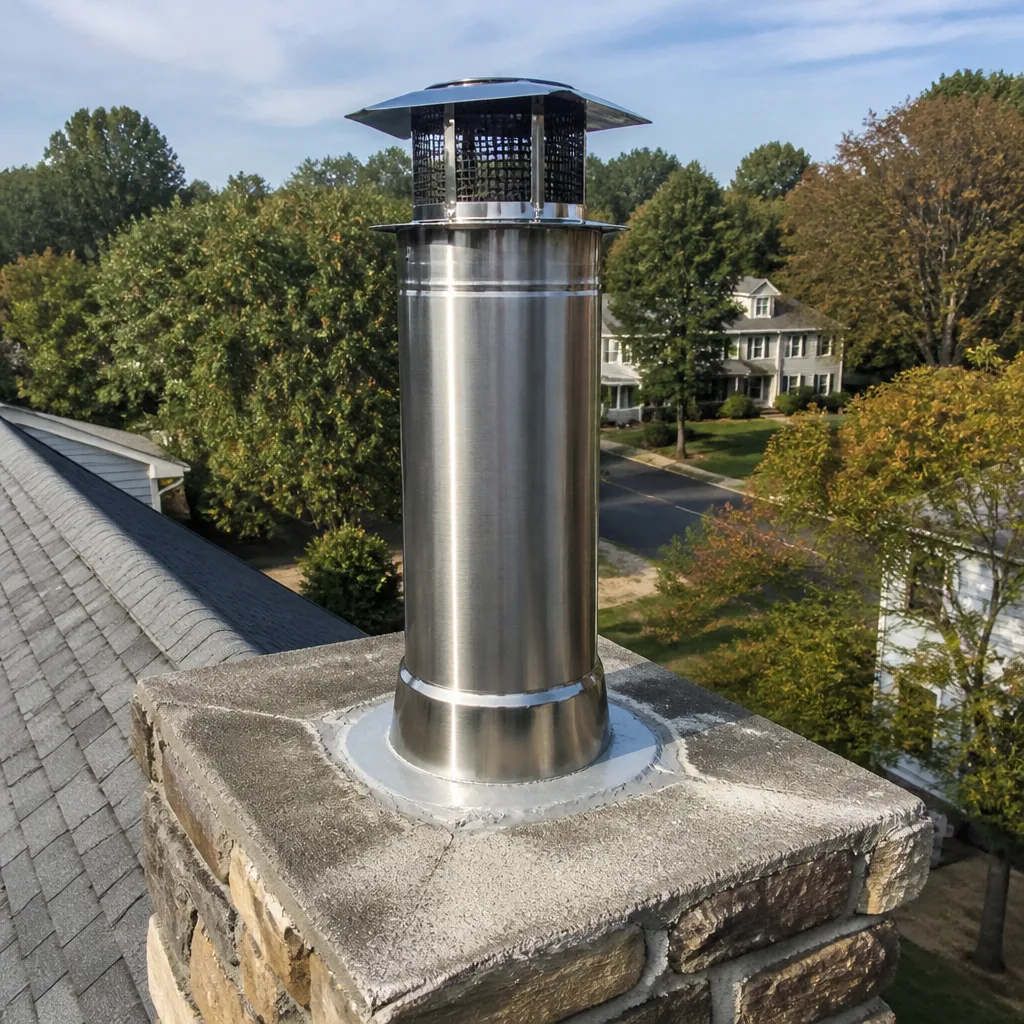 Flue relining
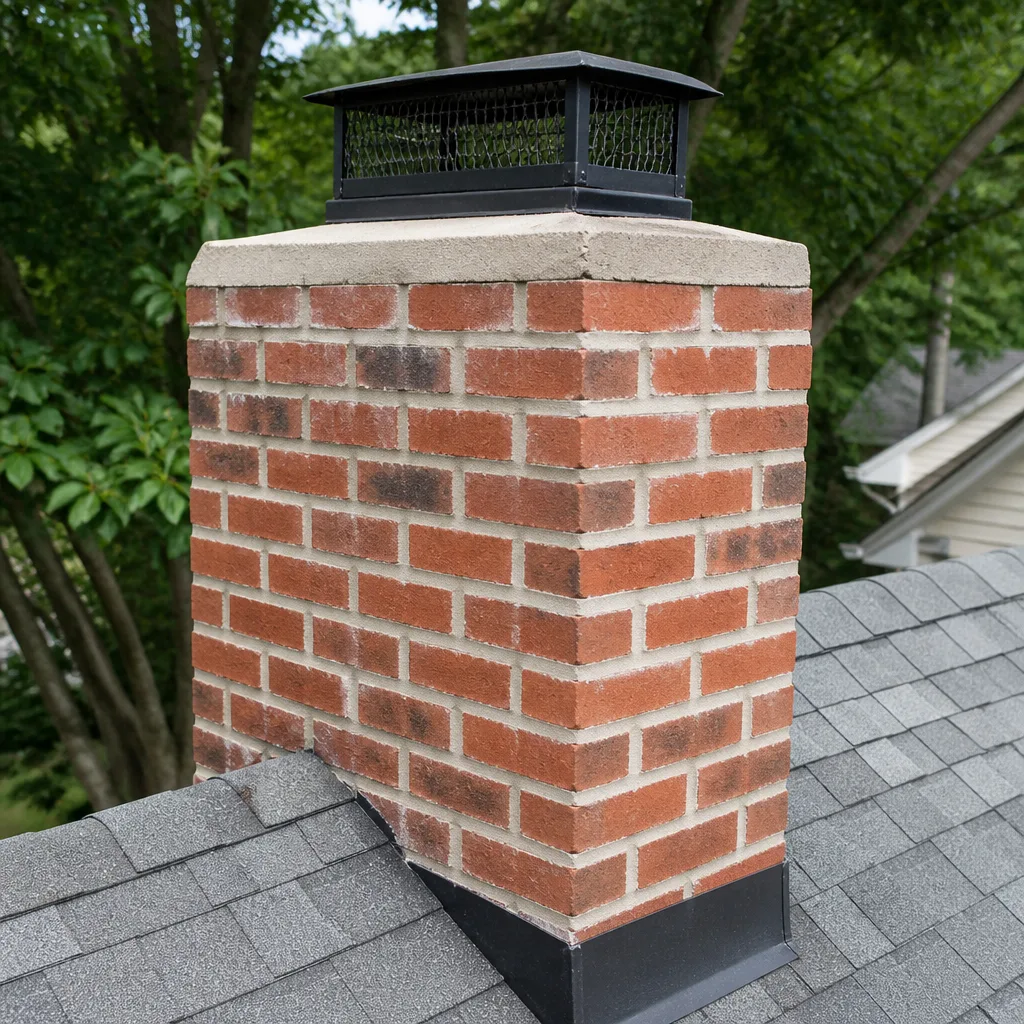 Masonry repair
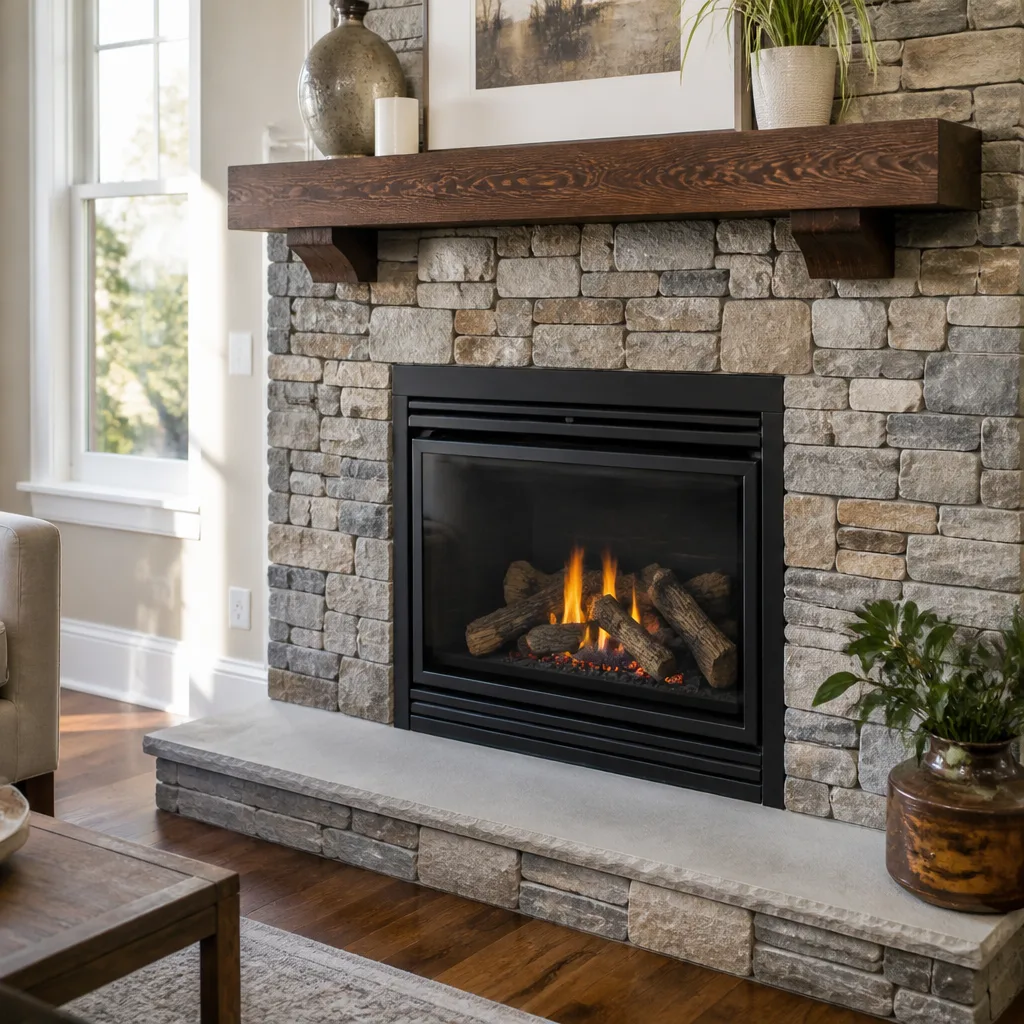 Gas fireplace service
Level 1 sweep and inspection to the NFPA 211 annual standard - flue, crown, cap, and flashing checked and photographed
Chimney sweep logs do not sweep chimneys. They loosen some creosote - which then falls where a brush and vacuum still have to collect it.
How to Hire a Chimney Cleaning Contractor in Bustleton: A Step-by-Step Guide
Most homeowners in Bustleton hire a chimney sweep the way they’d hire a gutter cleaner: find a number, ask what it costs, book the visit. That approach works fine for gutters. For a chimney, it quietly skips the part that matters. The barrier to advertising chimney services is low. Anyone with a brush, a ladder, and a van can put a number on a flyer. The barrier to doing the work correctly is high, involving liner knowledge, combustion physics, and masonry repair skills that most generalists simply don’t have. A cheap sweep who never pulls a camera down your flue gives you a clean chimney and a false sense of security.
This guide gives Bustleton homeowners a vetting framework built around what the work actually demands, not a credential checklist you can photocopy. You’ll learn what certification really covers, the exact questions to ask before booking, how to read the inspection report you get back, and why the lowest bid in Bustleton often reflects less work rather than more efficiency.
Quick Answer
Hire a chimney contractor in Bustleton by verifying a CSIA-certified sweep, confirming they run a camera inspection before any repair recommendation, asking what the written quote covers and what triggers add-on charges, and getting a written report with photos after the visit. Certifications get you to the starting line. The questions in this guide decide whether the contractor is actually qualified to diagnose and fix your system.
Styles & brands we work with
- Sweep & inspection
- Caps & crowns
- Flue relining
- Masonry repair
- Gas fireplace service
Table of Contents
- What CSIA Certification Actually Covers (And What It Doesn’t)
- What NFI Certification Adds for Gas Inserts and Liner Systems
- The Five Questions to Ask Before You Book
- Red Flags Specific to Chimney Work
- How to Read a Chimney Inspection Report
- Why the Lowest Bid in Bustleton Reflects Less Work
- What a Full-Service Visit Should Realistically Take
- Common Mistakes to Avoid
What CSIA Certification Actually Covers (And What It Doesn’t)
A CSIA-certified sweep has passed a written exam and demonstrated knowledge of how chimneys vent, how they fail, and how they’re properly cleaned. That’s a real baseline and it’s worth checking before anyone climbs on your roof in Bustleton. But certification by itself confirms knowledge, not scope of service. Plenty of certified sweeps stop at the flue brush and send everything else to someone else.
What certification covers:
- Combustion fundamentals: draft, venting, and how gases move through a flue
- Recognition of common failure points: cracked flue tile, deteriorated mortar joints, creosote stages
- Inspection standards and terminology aligned with NFPA 211
- Proper sweeping technique that doesn’t damage the flue liner
What certification doesn’t guarantee:
- That the contractor installs or repairs liners. Sweeping and liner work require different tools, materials, and training.
- That they use a camera. A certified sweep can legitimately offer a visual-only sweep if that’s all they do.
- That they handle masonry, crowns, caps, or rebuilds. Those are separate skillsets.
Here’s the gap the certification doesn’t close: a contractor who cleans your flue but never inspects the liner above the firebox can’t tell you whether it’s sound. In a Bustleton house with a mid-century masonry chimney, that’s a meaningful blind spot. Our own service covers the full system, from a routine sweep through a chimney repair, so the person cleaning can also tell you what’s failing. But even if you hire someone else, ask specifically what their service includes beyond the sweep.
What NFI Certification Adds for Gas Inserts and Liner Systems
NFI certification (National Fireplace Institute) focuses on the equipment, not the flue. If you have a gas insert, a wood stove, or a fireplace that’s been retrofitted onto a liner, NFI certification tells you the contractor knows how that appliance vents and why it’s currently installed the way it is.
For homeowner decision-making, the practical difference breaks down like this:
- CSIA certification – verifies the generalist sweep knowledge: cleaning, inspection, and identifying chimney problems.
- NFI certification – verifies appliance-specific knowledge: installation, venting, and clearance issues for that exact equipment category.
Owners of a standard wood-burning open fireplace mostly need the CSIA side. Owners of a gas insert with a metal liner or a pellet stove need someone who knows both. Ask the contractor which certifications they hold and, more important, whether the person coming to your house holds them. In our experience, the honest answer is usually a quick one. If it gets vague, that’s a signal about how the rest of the job will be handled.
If your system has a liner already in place, the sweep also needs to know how old it is and what it’s made of. That’s where the next section starts.
The Five Questions to Ask Before You Book
These five questions sort out most of the unfit contractors before anyone arrives. Ask them on the phone, before booking. A qualified contractor answers them without dodging.
- What liner do you have now, and how old is it? Not all liners are the same. Clay tile, stainless steel, cast-in-place, aluminum, and unlined clay each require a different inspection approach. Ask what material the contractor uses if replacement comes up. We install DuraFlex stainless systems, and we source components from Olympia Chimney and Copperfield.
- Will you run a camera? A visual inspection from the firebox and the roof is Level 1. A camera down the flue is the difference between a guess and evidence. Any recommendation involving a liner or a rebuild should be backed by video you can see.
- What does the quote include, and what triggers add-on charges? A sweep quote should specify: flue cleaning, firebox cleaning, ash removal, and a written inspection report. Ask what costs extra. If the answer is vague, expect a surprise.
- Is the technician insured? Chimney work is height work. A contractor working without liability coverage on your roof is a risk you carry. Ask for proof in writing before the visit.
- What’s your cleanup protocol? A proper sweep uses drop cloths, plastic sheeting, and a HEPA vacuum. So, soot stays outside the room. If cleanup isn’t mentioned without prompting, it probably isn’t happening.
Print this list or screenshot it. Five minutes of questions before booking saves the whole afternoon.
Red Flags Specific to Chimney Work
The chimney trade has its own warning signs, different from those in general contracting. These are the ones that matter most.
- A quote given over the phone without an inspection. Nobody can price a liner replacement or a chimney rebuild from a phone call. Honest contractors will quote the sweep and say the rest depends on what they find.
- Pressure to approve repairs the same day. Chimney repairs are rarely urgent enough to decide on the spot. A good contractor shows you the evidence, explains the risk, and lets you think it over.
- No written report after the service. If you don’t get a document with the findings, you didn’t get an inspection. You got a cleaning and a verbal promise.
- Only brush work, no camera. A contractor who sweeps without any photographic documentation of the flue’s condition is selling you a service that can’t identify what’s wrong.
- Unwillingness to name specific materials or brands. If your contractor can’t tell you what liner goes into your chimney, they probably aren’t installing them.
- Cash-only, no address, no insurance. Standard contractor vetting, but it matters more when someone is working at height on your roof.
One red flag by itself is worth a follow-up question. Two or three together means keep calling. You can find a better sweep in Bustleton.
How to Read a Chimney Inspection Report
The report is the most important document you’ll get from a chimney contractor. Most homeowners look at the “recommendations” section and skip everything else. The rest of the report is what makes the recommendations trustworthy.
Inspection levels, defined by NFPA 211:
- Level 1: A visual check of readily accessible parts of the chimney and connected appliance, with basic tools. Standard for an annual sweep when nothing has changed.
- Level 2: A more thorough inspection including accessible portions of the chimney via video camera. Required when a change has occurred: a new appliance, a liner install, a property sale, or a chimney fire.
- Level 3: A Level 2 inspection plus investigation of concealed areas, which may require removing parts of the chimney or adjacent building materials. Rare and usually triggered by a known or suspected problem.
Which level do you need? If you’ve used the fireplace for years with no changes, a Level 1 sweep and check is reasonable. If you bought the house recently, installed a new insert, or had a chimney fire, ask for a Level 2. Level 3 should be its own conversation, not a line item added without explanation.
What to look for in the report body:
- Photos and video stills – the flue interior should be documented, not described.
- Creosote level – degree 1, 2, or 3. Degree 3 is glazed and combustible. It needs attention before the next burn.
- Liner condition – documented, not assumed. Cracks and gaps in tile joints are visible in a proper camera inspection.
- Crown and cap condition – water is the leading cause of chimney damage in this climate. Look for a note about the crown and cap.
- Clearances – any appliance connections or combustibles close enough to be a concern.
If any of those is missing, call the contractor and ask why before you accept the report.
Why the Lowest Bid in Bustleton Often Reflects Less Work
A low bid on chimney work isn’t usually a more efficient contractor. It’s a smaller scope, quietly agreed to before the job starts. That’s not a subtle difference. Sweeping a flue, inspecting it with a camera, cleaning the firebox, checking the crown, checking the cap, and writing up the findings is a multi-hour visit. A short brush-only job is much faster and commands a lower price.
What a full-service visit should include:
- Full flue sweep, top-to-bottom, with drop cloths and protective sheeting
- Camera inspection of the flue liner
- Firebox and damper check
- Cap and crown visual inspection
- Written report with photos
- Cleanup and haul-away
A quote letter in Bustleton that skips the camera, skips the crown check, or skips the firebox is not the same service at a lower price. It’s a different service. Ask each bidder to list what they include line by line. Then compare like against like.
This matters for another reason: scope reduction is where the big problems hide. A sweep who skips the camera also skips recommending the liner replacement. The recommendation is often the biggest line on the job, and it’s also the one that prevents a real hazard. Getting a second bid isn’t about price. It’s about making sure you didn’t buy a clean flue and an unseen failure.
What a Full-Service Visit Should Realistically Take
A proper annual sweep with inspection on a single-flue chimney in Bustleton typically takes one to two hours. That range covers setup, sweeping, camera inspection, cleanup, and report writing. If the contractor’s in and out in under thirty minutes, the camera work and the write-up got skipped.
Rough time ranges by scenario:
- Annual maintenance sweep, one flue, clean flue: 1 to 2 hours
- Annual maintenance sweep, two flues: 2 to 3 hours
- Sweep plus liner camera inspection, documented: 1 to 2 hours
- Sweep plus minor cap or crown repair: 2 to 4 hours
- Sweep plus liner installation or rebuild: scheduled over a longer visit, typically quoted separately
If a contractor insists they can do all of that in forty-five minutes, the answer is that they can’t. They’re leaving out a step. When you’re comparing quotes in Bustleton, this timing breakdown is worth keeping in mind. Two hours for a full visit is right. Ten minutes is not.
Common Mistakes to Avoid
- Hiring on price alone. The lowest-priced brush-only sweep leaves you with a clean flue and no idea what condition your liner is in. That’s not saving money. That’s paying for half the job.
- Skipping the camera inspection to save time. A camera run takes a few extra minutes. Without it, any repair recommendation is based on assumption. In this housing stock, liners can fail without any visible sign from the firebox.
- Assuming a general handyman can handle chimney repair. Masonry work on a chimney is not the same as patching a sidewalk. Crowns, caps, and flue tile work require specific materials and methods.
- Not asking for a written report. Verbal findings don’t help you decide, and they have no value when you sell the house. A report is the record.
- Skipping the sweep because the fireplace “looks fine.” Creosote buildup, cracked tile, and glaze formation don’t show up from the living room. They show up on camera.
- Approving repairs under pressure. A contractor who creates urgency on a routine sweep is usually trying to close a sale. Get a second opinion if the recommendation feels rushed.
- Ignoring the crown and cap. Water intrusion damages masonry over time and is the source of most chimney deterioration. If your inspection report says nothing about the crown or the cap, ask why. We install Gelco and Famco caps, and water intrusion is a routine part of what every inspection should flag.
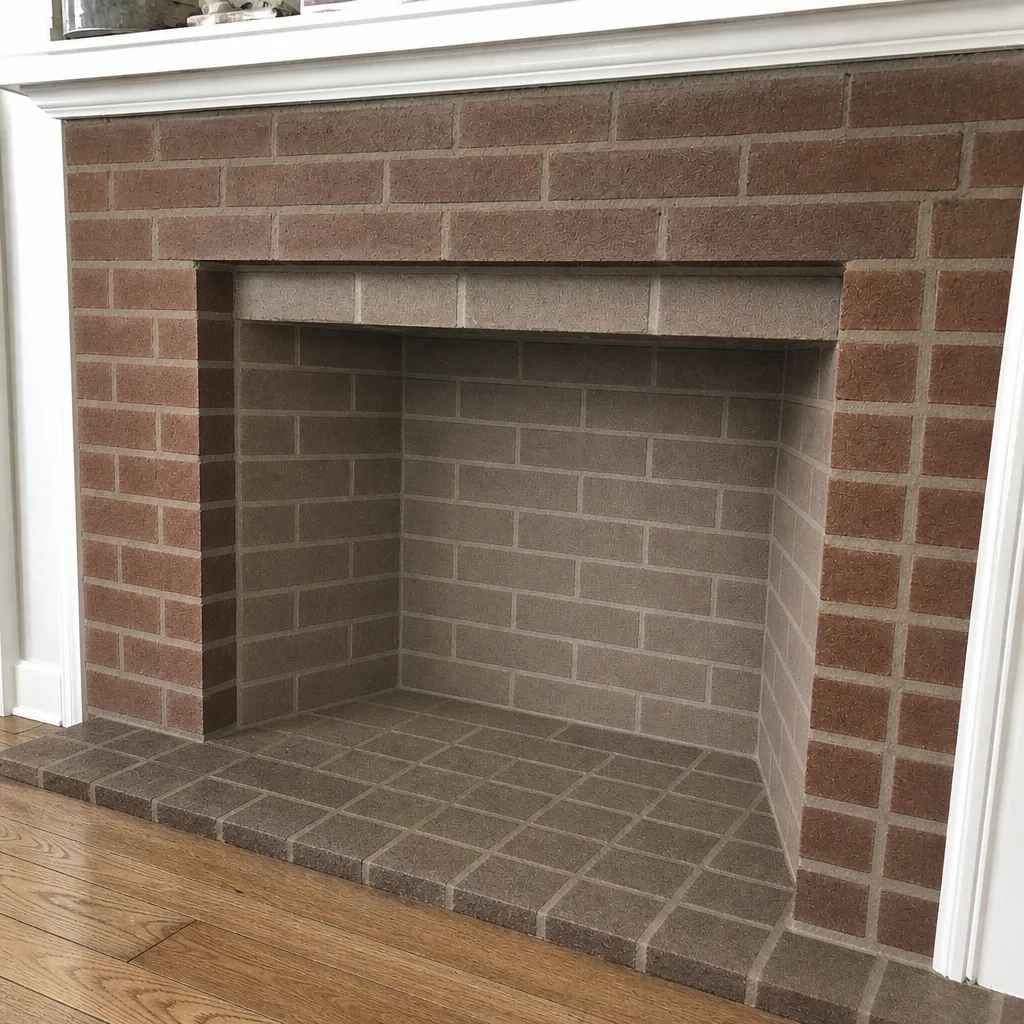
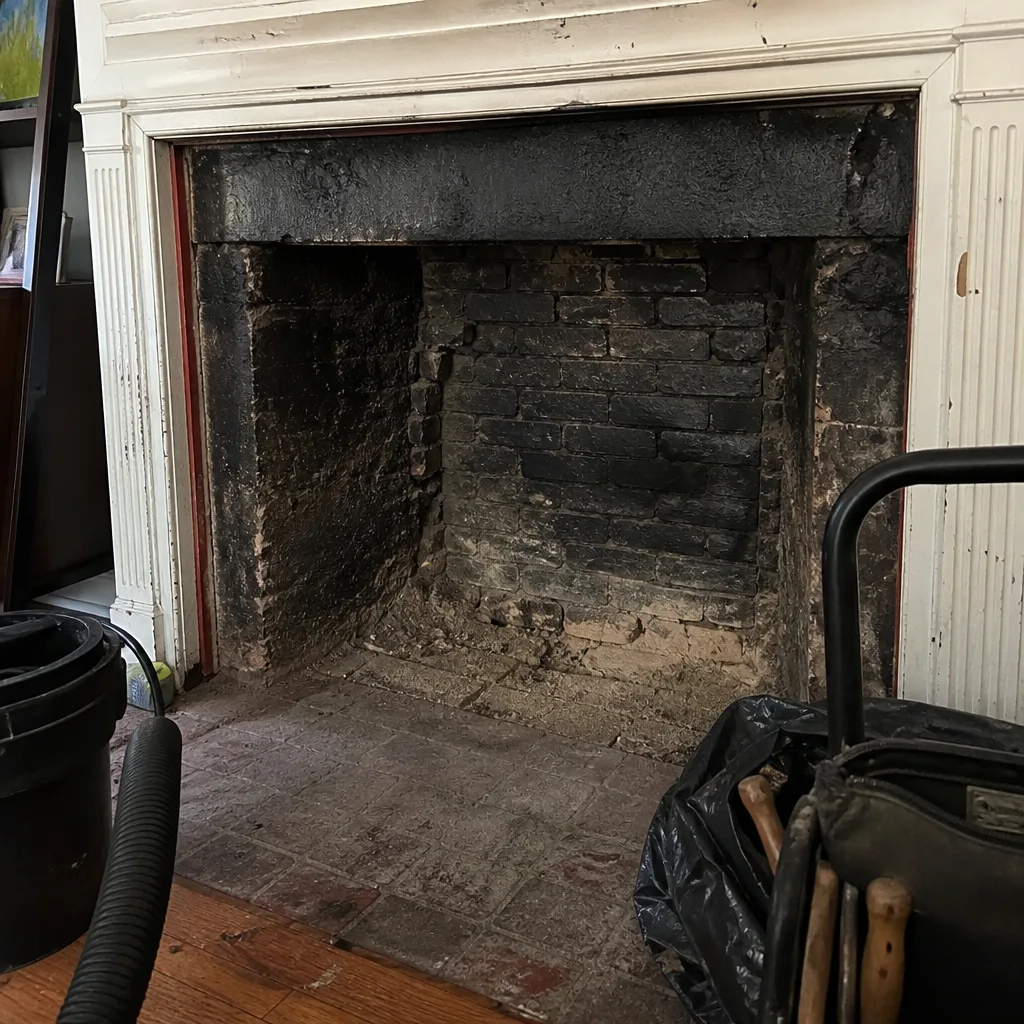
See the difference
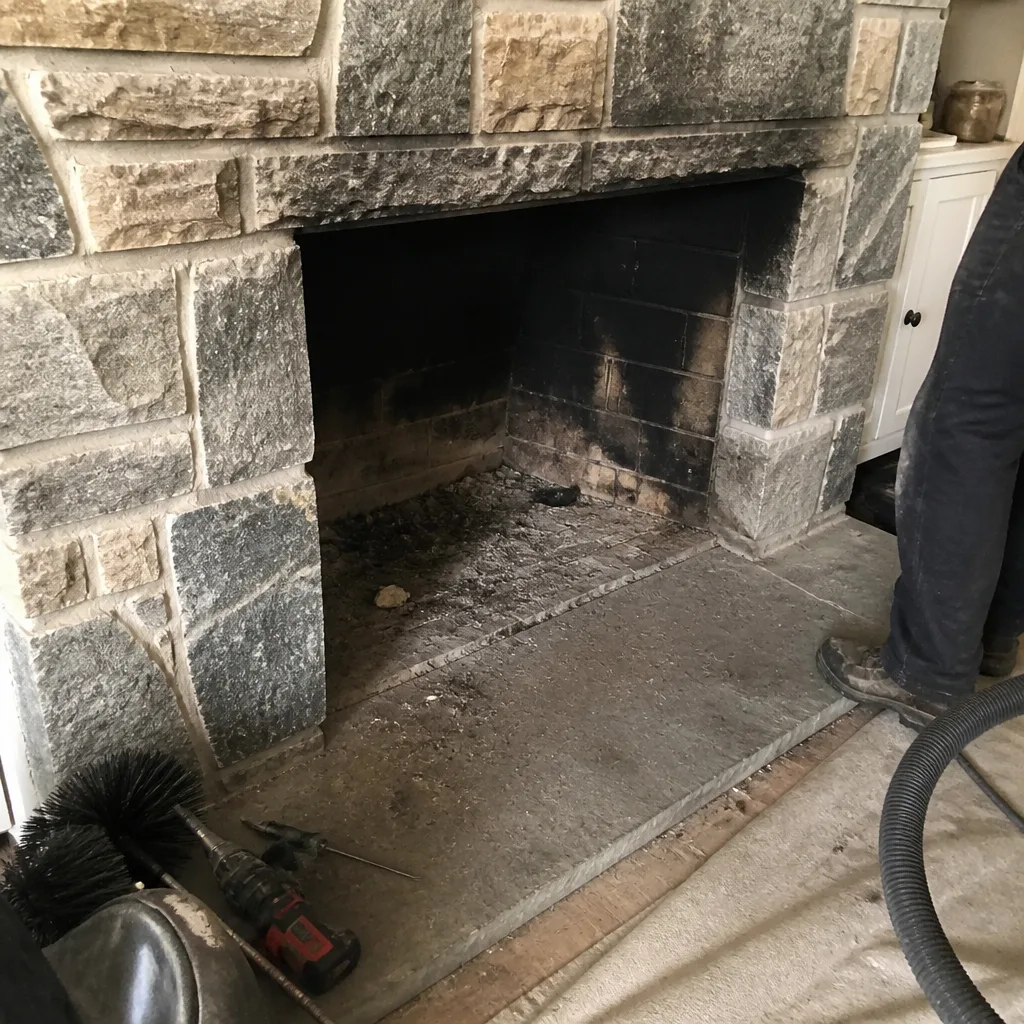 Before
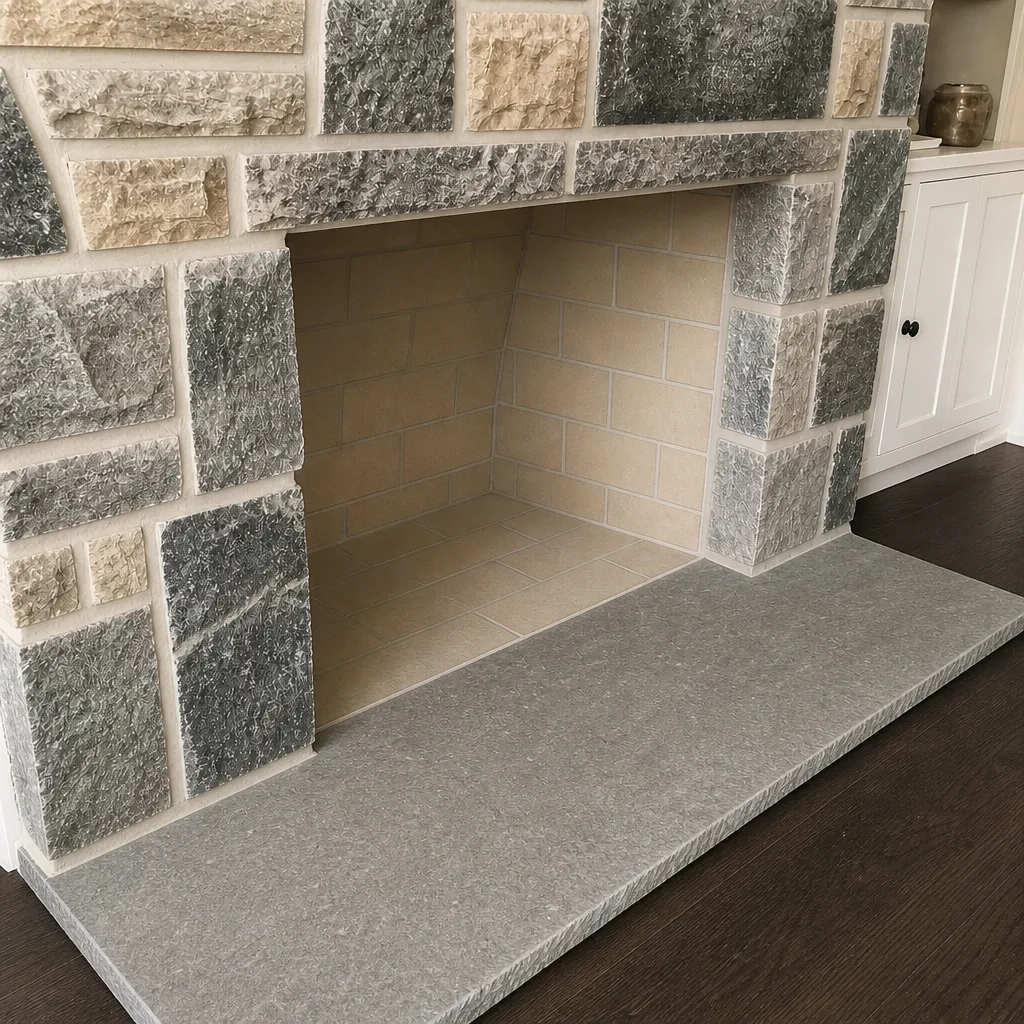 After
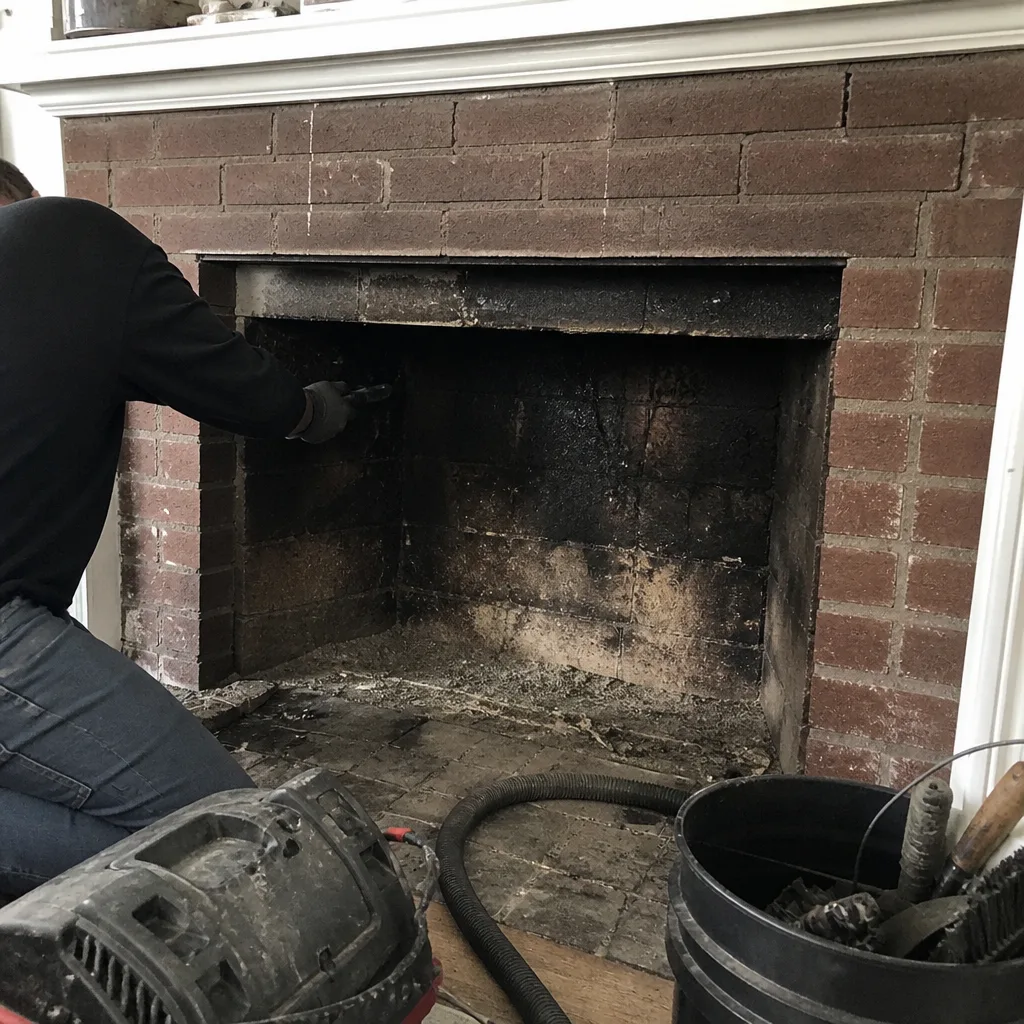 Before
 After
 Before
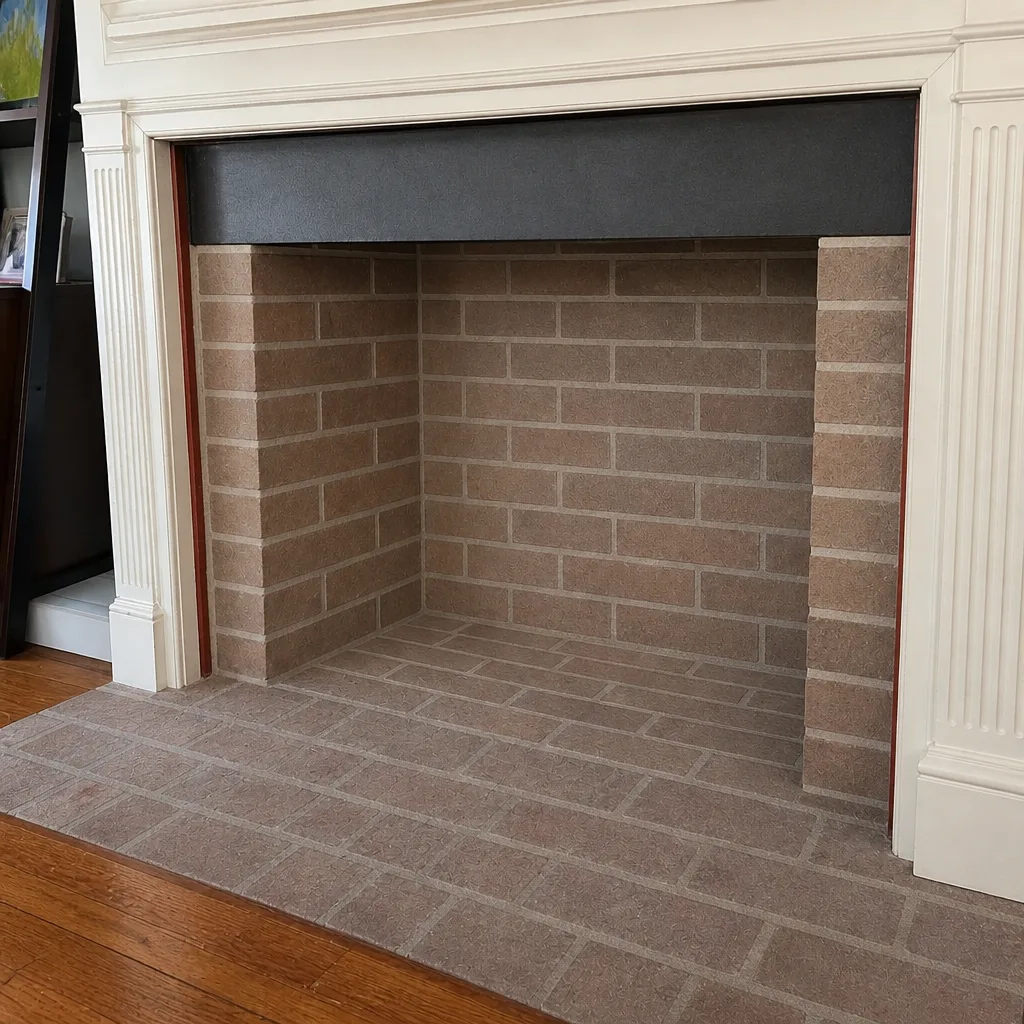 After
When to Call a Professional
Some chimney problems are worth a call before the next fire in the fireplace. Others are worth a call today.
- You’ve burned wood regularly through a season and don’t remember the last sweep
- You smell smoke inside the room when the fire is burning
- You can see cracked or missing flue tile inside the firebox
- You’ve had a chimney fire, even a small one that put itself out
- Your crown is cracked, or the mortar around the cap is crumbling
- Your fireplace damper doesn’t open or close smoothly
- You’re buying a home in Bustleton and want the chimney inspected before closing
A scheduled visit is the right call for annual maintenance. A same-day call is the right move for smoke problems, visible damage, or a known past fire. Chimney Sweep Bustleton offers free estimates in Bustleton – call (833) 350-7109. We answer 24/7 and offer fast dispatch from 7am to 7pm. Our technicians have up to 9 years of experience, and our service covers chimney sweep, chimney cap & crown, repair, liner installation, rebuilds, and fireplace repair – the whole system, not just the sweep.
Frequently Asked Questions
Yes, CSIA certification should be your minimum standard because it verifies the sweep knows combustion fundamentals, venting, and proper cleaning technique. That said, certification alone doesn’t tell you whether the contractor handles liner work, crowns, caps, or rebuilds – those require separate tools and skills. Ask both: are you certified, and what’s the full scope of what you fix? Call (833) 350-7109 for a free estimate with a full-scope contractor.
Chimney sweeping in Bustleton is priced per job by written estimate, and the estimate is free. The number depends on the number of flues, the amount of creosote, access to the roof, and whether the visit includes a camera inspection and written report. The written estimate sets the final price, so ask each bidder to list exactly what their quote includes before you compare. Call (833) 350-7109 for an exact quote.
A Level 1 inspection covers access to visible, readily accessible parts of the chimney and is standard for annual maintenance. A Level 2 inspection adds a video camera run through the flue and is required when something has changed: buying or selling the home, installing a new appliance, or after a chimney fire. Level 3 is rare and usually follows a suspected hidden problem. If you’re unsure which level fits your situation, ask the contractor to explain their reasoning before booking – estimates are free.
Creosote accumulates inside the flue with every fire, and when it builds to degree 3, glazed and highly combustible, it can ignite. A chimney fire can damage the liner, the masonry, or the structure around the chimney without you seeing flames from the room. Skipping the sweep also means skipping the inspection that would catch a cracked liner or a failing crown early, while the repair is still small. Call (833) 350-7109 to get the sweep and inspection back on schedule.
No, checking the liner condition properly requires a video camera run down the flue by a trained technician because the flue above the firebox isn’t visible from below. Cracks, gaps in tile joints, and glazed creosote hide in the sections you can’t see. If you suspect a problem, don’t send a phone camera up there – get a proper camera inspection. Our technicians use camera documentation on every inspection, and the report includes photos you can see for yourself. Call (833) 350-7109 for an exact quote.
Not in chimney work, because the lowest bid usually reflects a smaller scope rather than greater efficiency. A quote that skips the camera, the crown check, or the written report is not the same visit at a lower price – it’s a different service that misses real failure points. Compare quotes line by line, then compare the scope. Call (833) 350-7109 for a full-scope quote.
Once per year of regular fireplace use is the general standard, or whenever a quarter-inch or more of creosote has built up inside the flue. If you burn often or burn green wood, the buildup happens faster and annual service matters more. If your fireplace has gone a season or more without a sweep, schedule before the next burn. Call (833) 350-7109 – estimates are free.
We handle chimney caps, crowns, liners, rebuilds, and fireplace repair on top of routine sweeping – the whole system under one contractor, so you don’t need to chase a second trade. We install purpose-engineered caps from Gelco and Famco, and we use professional-grade components from Olympia Chimney and Copperfield. Call (833) 350-7109 for a free estimate on cap or crown work.
The Bottom Line
Hiring a chimney contractor in Bustleton comes down to vetting the work, not the marketing. CSIA certification gets you to the starting line, but the questions you ask on the phone – liner material and age, camera inspection, quote scope, insurance, cleanup protocol – are what actually separate a qualified contractor from a brush-and-van operation. Ask for a written report. Read the inspection level. Compare quotes on scope, not on price. And if a recommendation involves thousands of dollars of liner or masonry work, make sure it’s backed by camera evidence you can see. Nothing gets recommended without it.
Our team works with the full range of professional-grade materials – DuraFlex liners, HeatShield resurfacing (which restores liner integrity without a full replacement), Gelco and Famco caps, Olympia Chimney and Copperfield components – and we handle the full system from a routine cleaning through a Chimney Sweep Bustleton rebuild and fireplace repair. If you’ve had a second opinion that didn’t quite add up, we can take a look and give you an honest answer. Call (833) 350-7109 for a free estimate. We answer 24/7. Fast dispatch from 7am to 7pm, Sunday through Friday.
Written by the team at Chimney Sweep Bustleton.