
Last updated November 22, 2026
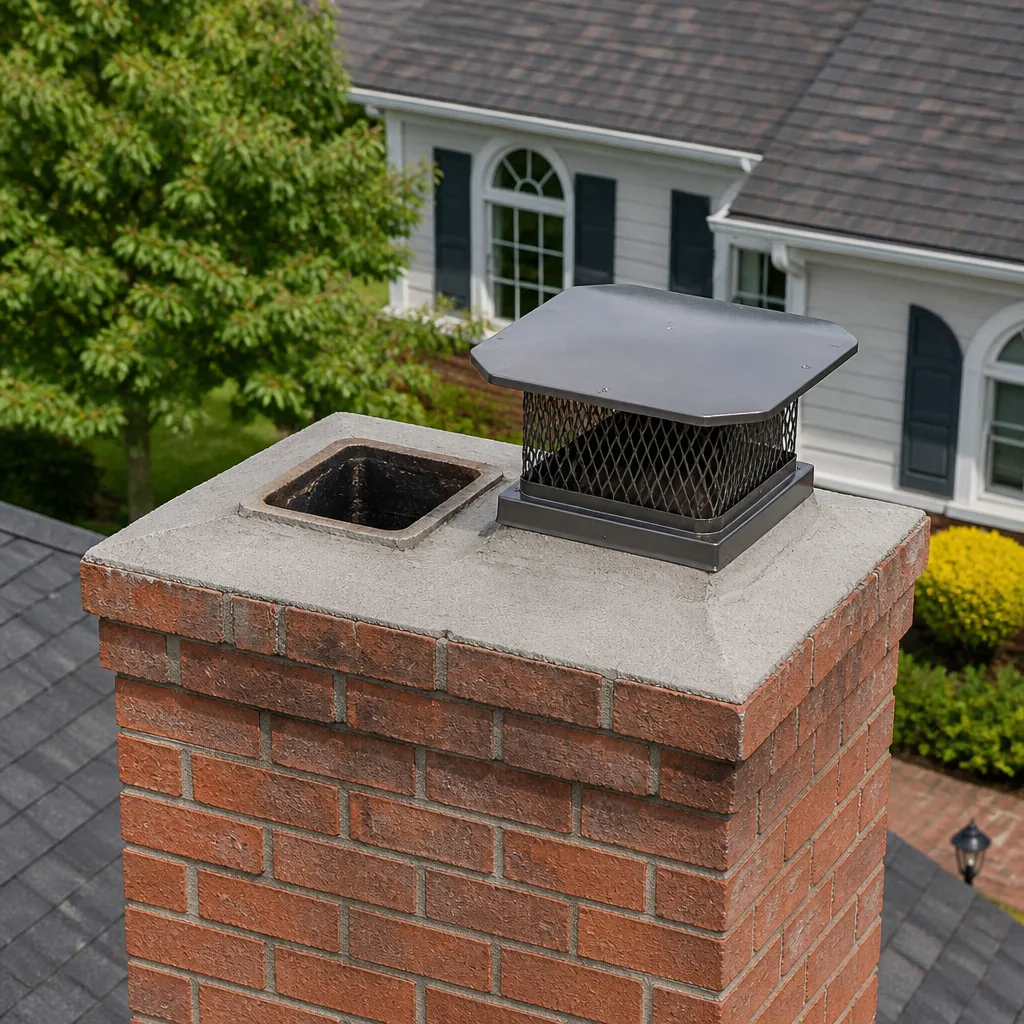 Sweep & inspection
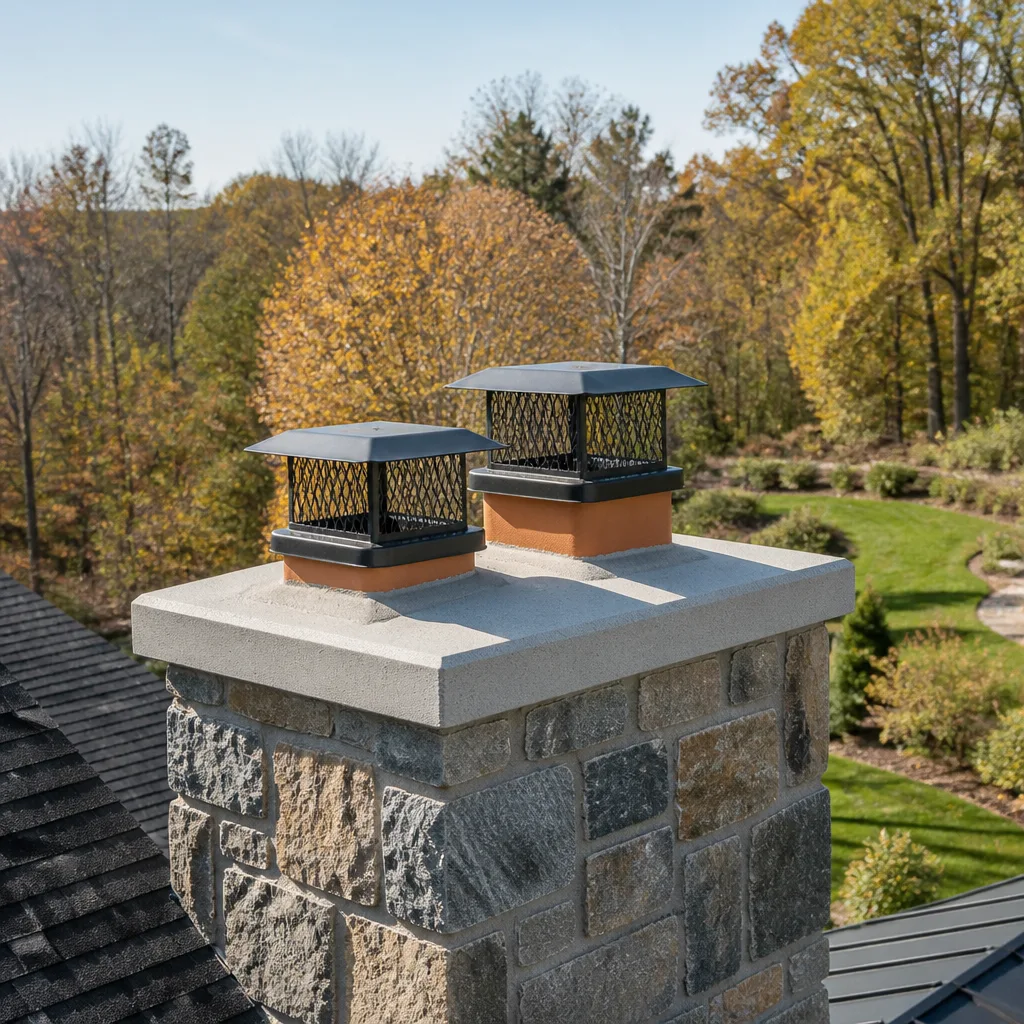 Caps & crowns
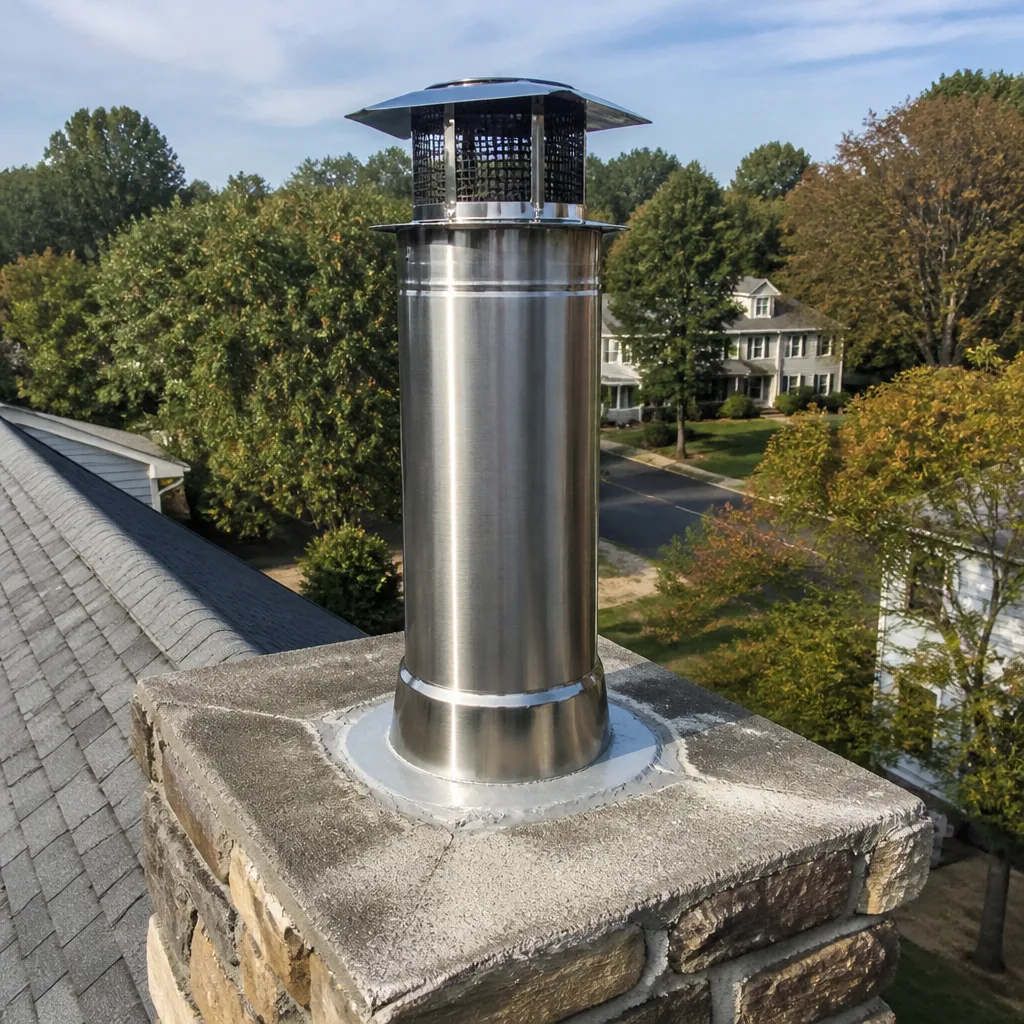 Flue relining
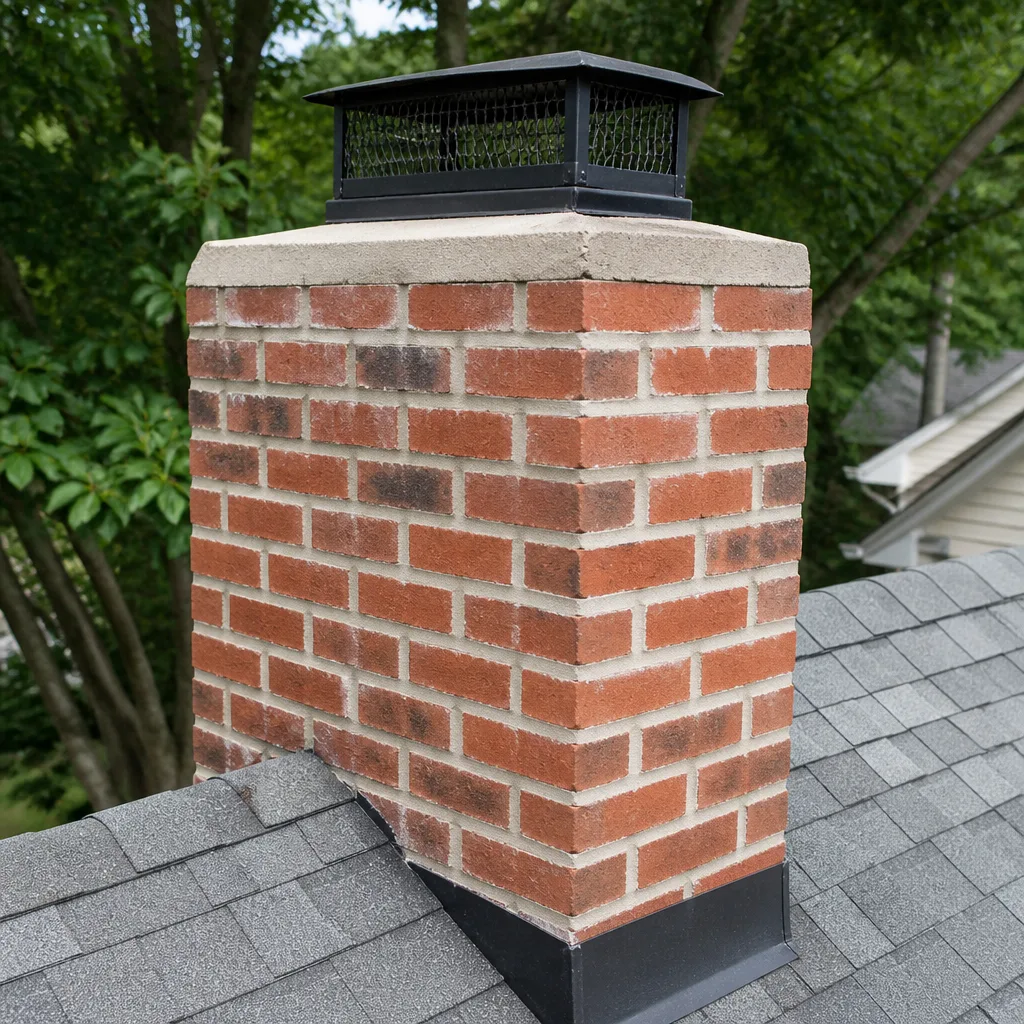 Masonry repair
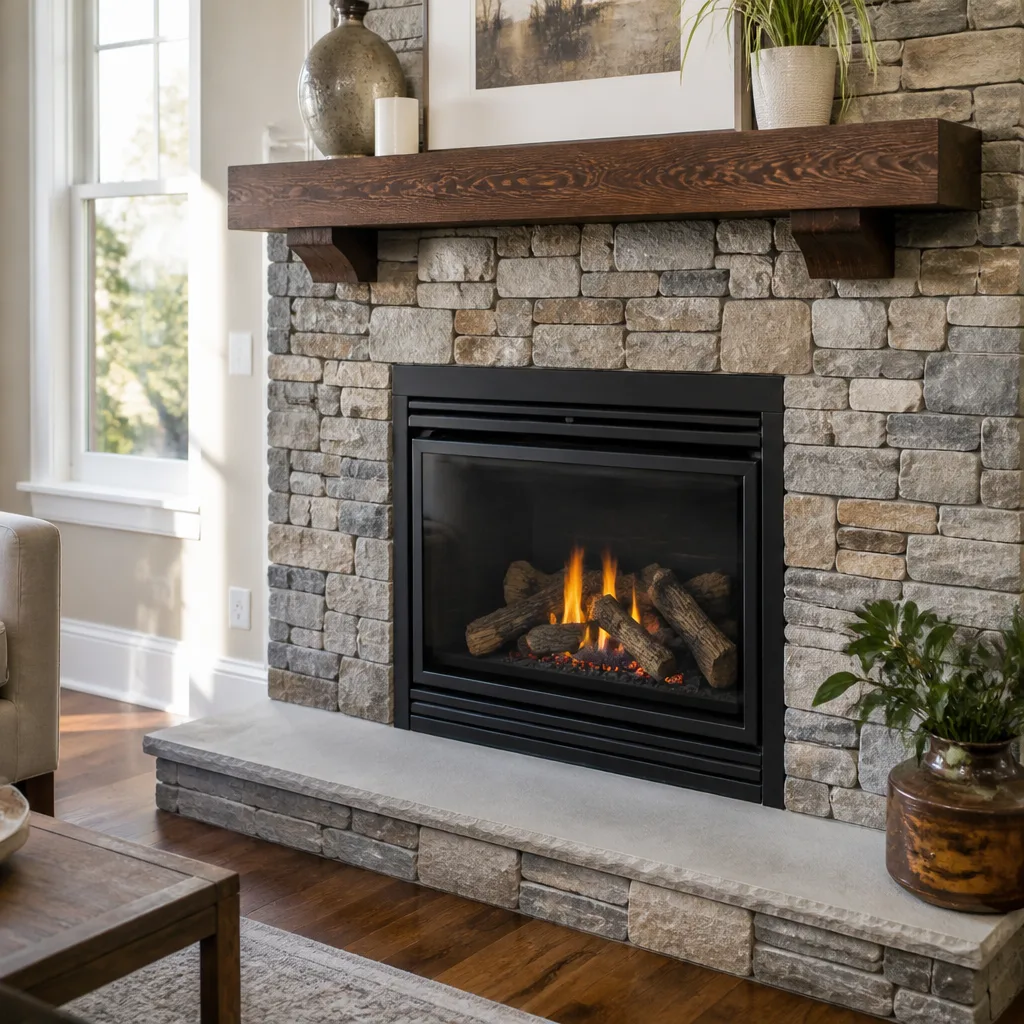 Gas fireplace service
Level 1 sweep and inspection to the NFPA 211 annual standard - flue, crown, cap, and flashing checked and photographed
Chimney sweep logs do not sweep chimneys. They loosen some creosote - which then falls where a brush and vacuum still have to collect it.
Chimney Sweep Troubleshooting in Bustleton: Common Problems and How to Fix Them
A smoky fireplace and a drafty fireplace look identical from the living room. Both spill haze into the room, both smell off, and both leave you reaching for the damper. But they’re different failures that need different fixes, and treating one like the other wastes money while the real problem sits untouched. The same confusion runs through creosote, liner damage, and crown leaks. Most chimney trouble in Bustleton homes has a diagnosable root cause, and you can often narrow it down before anyone visits. This guide shows you how: the smoke-match test, the flashlight-and-mirror liner check, where rowhouse construction goes wrong, and which problems you can watch versus which mean stop using the fireplace now.
Quick Answer
Chimney problems in Bustleton homes usually fall into three buckets: draft failure (negative pressure or an obstruction), creosote buildup (soot versus hard glazed deposits), and structural damage (cracked tile, crumbling mortar, a failing crown). A smoke-match test tells you whether the flue is blocked or the house itself is fighting the draft. A flashlight-and-mirror look up the flue reveals tile condition. Glazed creosote needs a rotary cleaning system; soot alone does not. Crumbling mortar dropping into the firebox means stop using the fireplace and book service. Everything else can be scheduled without panic.
Styles & brands we work with
- Sweep & inspection
- Caps & crowns
- Flue relining
- Masonry repair
- Gas fireplace service
Table of Contents
- Is it a draft problem or a blocked flue? Run the smoke-match test
- Soot versus glazed creosote: why only one needs rotary cleaning
- Spotting spalling clay tile liner damage from the firebox
- Smoke rollout in rowhouses versus detached homes with taller flues
- Cap and crown failures: the water intrusion nobody checks
- What you can safely monitor versus what means stop using the fireplace
- How Bustleton’s seasons shape when to book service
Is It a Draft Problem or a Blocked Flue? Run the Smoke-Match Test
You can tell a negative-pressure draft failure from a flue obstruction in about two minutes with a match and no tools. Light a match, blow it out so it smolders, and hold the smoking tip near the open damper or the firebox opening. Watch which way the smoke drifts. If it rises straight up the flue and disappears, your draft is fine and the problem is somewhere else. If it hangs in place or curls back into the room, you have a draft failure or a blockage. The direction of the smoke is your first real clue.
Here’s the distinction that matters. A blocked flue sends smoke back because there’s nowhere for it to go: a bird nest, a fallen tile, a collapsed mortar joint, or a cap screen packed with debris. Negative pressure sends smoke back because the house is pulling harder than the chimney. Modern homes tighten up, exhaust fans in kitchens and baths pull air out, and a chimney on an interior wall runs colder than one on an exterior wall. Cold flues draft poorly until they warm up, which is why a fire sometimes smokes for ten minutes and then settles.
Once you know which problem you have, the fix path splits cleanly:
- Smoke rises and disappears: draft is working. Look at creosote, liner, or cap issues instead.
- Smoke hovers at the damper: likely negative pressure. Crack a nearby window and retest. If the smoke clears, the house is the culprit, not the flue.
- Smoke curls back hard and fast even with a window open: suspect an obstruction. Stop using the fireplace and book an inspection.
- Smoke drifts sideways or downward from the top of the firebox: often a flue that’s too short for the appliance or a crown-level gap pulling air in above.
Bustleton’s housing stock gives this test extra weight. Many homes here sit on tight lots where the flue doesn’t get much clean airflow across the top, and that makes pressure problems more common than homeowners expect. Running the test before you call anyone means you can describe the symptom accurately, and that shortens the diagnosis on the first visit. If the smoke test points to an obstruction, don’t keep burning. Call for a chimney sweep and let a technician clear the flue safely.
Soot Versus Glazed Creosote: Why Only One Needs Rotary Cleaning
Not all creosote is the same, and the difference decides whether a standard sweep works or you need a rotary system. First-degree creosote is light soot: dusty, flaky, and easy to brush away. Second-degree is darker, crustier, and clings harder but still comes off with a proper brush. Third-degree is glazed creosote, a hard, shiny, tar-like coating that looks almost like black glass fused to the flue wall. A standard flue brush skates right over it. That’s the version that needs a rotary cleaning system with a spinning head to grind it back.
You can learn to read your own flue. Shine a flashlight up the flue from the firebox after a cool-down. Here’s what to look for:
- Light gray or brown dust: normal soot. Schedule a routine sweep before the next burning season.
- Dark, thick, flaky crust: second-degree buildup. A standard sweep handles it, but don’t wait another year.
- Shiny black, glassy, or tar-like surface: third-degree glazed creosote. This is a fire hazard and brushing alone won’t fix it. It needs rotary cleaning, and the flue may need resurfacing afterward.
- Creosote dripping or running down the flue wall: advanced glazed buildup. Book service before you burn again.
Glazed creosote forms when a fire burns cool and smolders rather than burning hot and clean. Unseasoned or damp firewood is the usual cause. If you’ve been burning wood that hisses or feels heavy, that’s your likely trigger. Once glazed creosote is present, it doesn’t go away on its own, and it burns hot enough to damage the flue if it ignites. Rotary cleaning is the professional method for removing it, and afterward a HeatShield resurfacing can restore the flue wall if the glazed layer left pitting behind. That’s a repair method most sweep-only companies don’t offer.
Spotting Spalling Clay Tile Liner Damage From the Firebox
You can identify spalling clay tile liner damage from inside the firebox with a flashlight and a small mirror, and you don’t need to climb the roof to do it. Spalling means the flue tile is breaking down in flakes, sheets, or chunks. It shows up in the firebox as tile fragments collecting on the smoke shelf, chunks resting on the damper frame, or rough, crumbling edges where the flue tiles meet. A flashlight-and-mirror look up the flue shows the flue walls themselves: cracks, gaps, missing mortar between tiles, or a white, chalky surface that crumbles when you touch it.
The inspection steps are straightforward. Follow this order:
- Open the damper fully and let your eyes adjust to the dark flue.
- Shine the flashlight straight up the flue. Note the color and texture of the tile walls.
- Angle the flashlight to catch gaps between tile sections. Missing mortar is a red flag.
- Look at the smoke shelf and damper frame for fallen tile fragments.
- Use a hand mirror at an angle to see the upper flue walls the direct beam misses.
- Log what you see: intact tile, hairline cracks, spalled chunks, or a gap where a tile section has shifted.
One important safety note: don’t stick your head deep into the firebox or reach up the flue. Cracks and gaps in clay tile let heat and gases reach combustible material behind the liner, and that’s the failure path for a chimney fire. Spalling also means the liner has lost its smooth surface, and rough tile catches creosote faster, which accelerates the next problem. If you see spalling, stop burning until a technician inspects. Repair options range from HeatShield resurfacing to a full chimney repair, and the right call depends on how much tile is compromised. A professional-grade stainless liner such as a DuraFlex system replaces a failing clay tile liner when resurfacing won’t hold. Our technicians have up to 9 years of experience reading tile condition, and the inspection gives us the evidence to tell you which fix fits.
Smoke Rollout: Rowhouse Construction Versus Detached Homes With Taller Flues
Smoke rollout in Bustleton’s older rowhouse-style construction has different causes than rollout in a detached home with a tall, exposed chimney. In a rowhouse, the chimney often sits on a shared wall, the firebox is shallow, and nearby structures cut off airflow across the flue top. All of that reduces the pressure difference that pulls smoke up and out. Detached homes here tend to have taller, freestanding chimneys with more exposure to moving air, so their problem is more often a flue that’s too short relative to the firebox, or a crown-level gap letting cold air push smoke down.
Rowhouses commonly show rollout under specific conditions:
- Neighboring buildings block the wind: a tall wall next to your flue creates a pressure pocket that pushes smoke back down.
- Shallow fireboxes in tight rooms: the firebox opening is large relative to the flue, so smoke escapes into the room before the flue can swallow it.
- Tight, well-sealed homes: a rowhouse that’s been weather-tightened pulls air from wherever it can, and the flue becomes one of the paths.
- Interior chimney placement: a flue on an interior wall runs cooler than an exterior one, so it drafts weaker until warmed.
Detached homes with taller flues usually fail the other way. A very tall flue can overdraft and pull excess air up into the firebox, which makes the fire burn hot and can throw smoke if the firebox can’t pull enough air to feed it. A tall flue with a weak cap can also catch downdrafts. The fix differs too: rowhouse rollout often responds to a top-sealing damper, a proper cap with the right screen, or a flue extension; detached-home rollout responds more often to extending or reshaping the crown so the flue top sits clear of the pressure zone. A chimney cap & crown inspection reveals which condition you have. A purpose-engineered cap from Gelco or Famco seals the flue top against animals, rain, and downdrafts in a way a generic cover can’t.
Cap and Crown Failures: The Water Intrusion Nobody Checks
Cap and crown failures let water into the chimney, and water is the most overlooked cause of chimney damage in Bustleton. The crown is the concrete slab at the top of the chimney that slopes water away from the flue. When it cracks, water runs down the flue walls, softens the mortar, and freezes and expands through the cold months. A cap is the structure over the flue opening, and when the cap fails, water, animals, and cold air come straight in. Most sweep-only companies don’t look at the top of the chimney during a routine cleaning, which is exactly why these failures go unnoticed until the damage is expensive.
What a failing cap or crown looks like from the ground and from a top-side inspection:
- Cracking or crumbling crown concrete: water pours in rather than running off.
- A leaning or loose cap: wind moves it, and the gap it opens is a doorway for rain and birds.
- Rusted or warped cap screen: screen failure lets wildlife and embers through.
- A cap that’s too small for the flue: an off-the-shelf cover that doesn’t overhang properly sheds water onto the crown instead of away.
- Water stains or a damp smell inside the firebox: the visible symptom of a top-end failure.
Cap and crown work is a dedicated service at Chimney Sweep Bustleton, and we fit purpose-engineered caps from Gelco, Famco, and Olympia Chimney rather than generic covers. A properly sized cap shelters the flue opening and lets flue gases escape while keeping water and wildlife out. A crown repair reseals the top of the chimney, and resurfacing the crown is a fix most general handymen skip because it requires a specialty material. When we open a crown, we’re looking for water paths the average inspection misses, and we tell you honestly whether the crown can be repaired or should be rebuilt. If you’ve never had anyone look at the top of your chimney, that’s a gap worth closing before the next burning season.
What You Can Safely Monitor Versus What Means Stop Using the Fireplace
Some chimney problems are safe to monitor, and some mean stop using the fireplace now. The distinction is simple: anything that threatens the flue’s ability to contain fire and gases is a stop-now problem, and anything that’s progressing slowly is a monitor problem. Getting this wrong is how a manageable issue becomes a chimney fire. Active mortar or tile crumbling into the firebox is the clearest stop sign. So is a flue with visible cracks or gaps, or a chimney that’s been through a fire.
Stop using the fireplace immediately if you see:
- Mortar or tile fragments falling into the firebox or onto the smoke shelf.
- A visible crack or gap in the flue tiles, especially one that lets you see beyond the liner.
- Glazed, tar-like creosote on the flue walls (it’s a fire risk and needs rotary cleaning).
- A loose or dislodged cap, or wind-driven smoke that won’t clear with a window open.
- A strong creosote or burning smell when no fire is lit.
Safe to monitor and schedule service:
- Light soot on the flue walls that’s building toward a routine sweep.
- A hairline crack in the crown that isn’t yet letting water in.
- A minor damper that sticks during open-close cycles.
- A slight smoky smell on cold-start days before the flue warms.
Anything on the stop list means book an inspection before the next fire. This is where camera evidence matters: you should be able to see what the technician sees, and nothing should be recommended without it. If a fix can safely wait, we say so. If a repair is needed, the technician shows you the photo report that justifies it. We handle the full system – not just the sweep – so a monitor-now crown issue and a stop-now liner crack are both within one call. A fireplace repair may also be needed if the firebox or damper has been damaged by repeated overheating; the hearth system is part of the inspection.
How Bustleton’s Seasons Shape When to Book Service
Bustleton’s seasonal swing is the reason timing matters more here than in milder climates. Late fall through early spring is burning season, and once the fires start, routine service backs up. The practical window for a sweep, a liner inspection, or a cap and crown check is late spring through early fall, before the first fire of the season. Booking in that stretch means you find out about a problem while there’s time to fix it, and you aren’t waiting behind every household on the block at the first cold snap.
Freeze-thaw cycles drive the structural timeline. Water that seeps into a cracked crown or a spalled flue tile in the fall freezes in the cold months and expands, which widens cracks and breaks down mortar. A crown that’s a minor crack in October can be a real leak by February. That’s why we inspect the top of the chimney before the cold sets in, not after the damage has already moved through a season. The fall inspection is about water prevention and creosote levels; the spring inspection is about what winter did to the crown and the liner.
Creosote accumulates most during heavy burning, which here means the cold months. Glazed creosote forms when the burn runs cool, and that’s a winter habit problem: damp wood, smoldering overnight fires, and a partly closed damper. The right time to sweep is after a heavy season’s use, before the creosote hardens into a glazed layer. If you haven’t swept since the last heavy burn, that’s the cue. When you’re ready, call (833) 350-7109 for a free estimate on a sweep or inspection. We answer 24/7, and fast dispatch runs 7am to 7pm, Sunday through Friday.
Common Mistakes to Avoid
- Treating a draft problem as a creosote problem. Homeowners sometimes book a sweep to fix a smoky fireplace, but if the real issue is negative pressure, a clean flue changes nothing. Run the smoke-match test first and describe what you saw.
- Brushing over glazed creosote. A standard flue brush skips right over third-degree glazed creosote, leaving the fire hazard in place. If your flue walls look glassy, you need a rotary cleaning system, not a routine sweep.
- Assuming a generic cap is enough. An off-the-shelf cover doesn’t shed water the way a purpose-engineered cap from Gelco or Famco does, and it can actually direct rain onto the crown. Fit a cap sized to your flue.
- Skipping the top of the chimney. Most inspections that stop at the flue never check the crown and cap, which is where water damage starts. A cracked crown is a slow leak that softens mortar and cracks tiles over a season.
- Burning damp or unseasoned wood. Cool, smoldering fires with wet wood are the main cause of glazed creosote, and the fix is partly burning practice. Dry, well-seasoned firewood burns hotter and leaves less behind.
- Waiting for the stop-now signs. Crumbling mortar or tile fragments falling into the firebox isn’t a “next time we sweep” problem. It’s a stop-burning problem, and it needs an inspection before the next fire.
- Ignoring rowhouse pressure quirks. In Bustleton’s rowhouse blocks, a neighboring wall can block airflow across the flue top and make rollout chronic. If a window cracked open fixes the smoke, the flue cap or top sealing is likely the real fix.
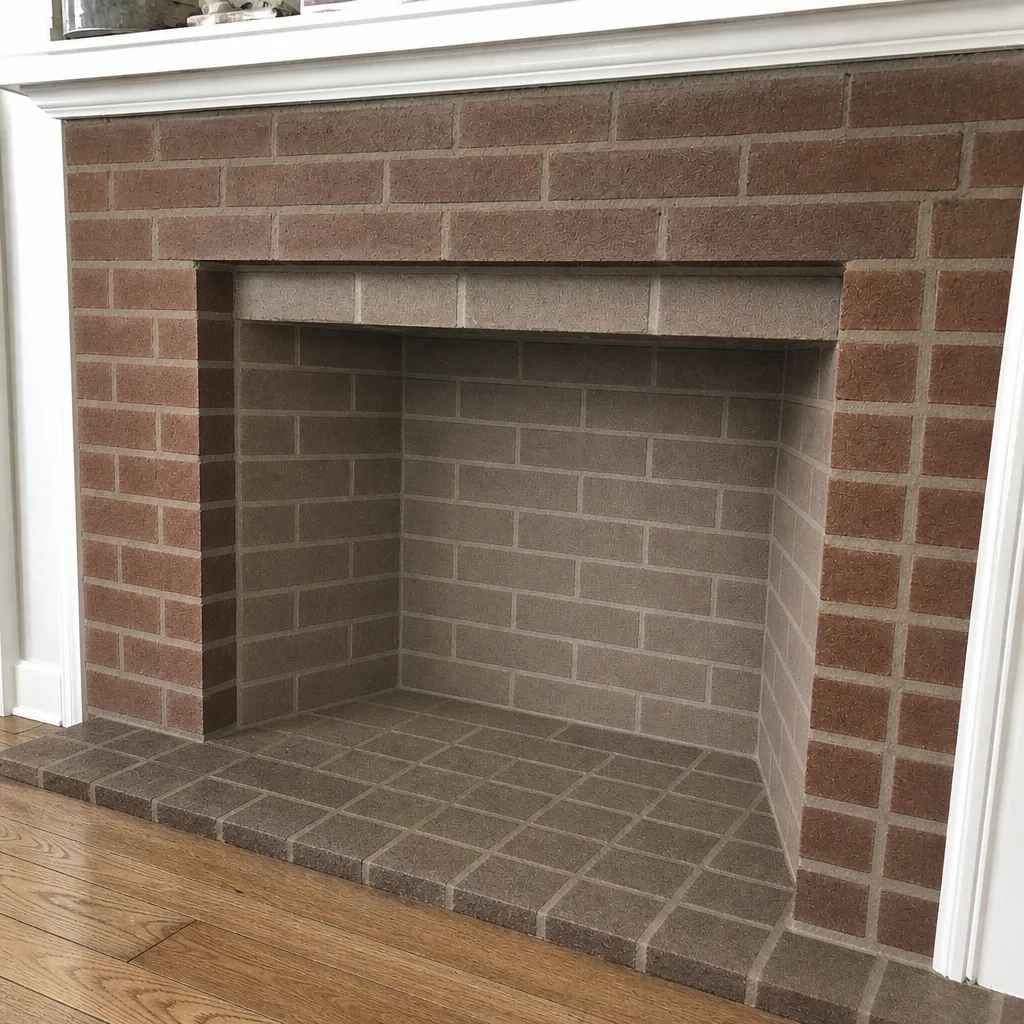
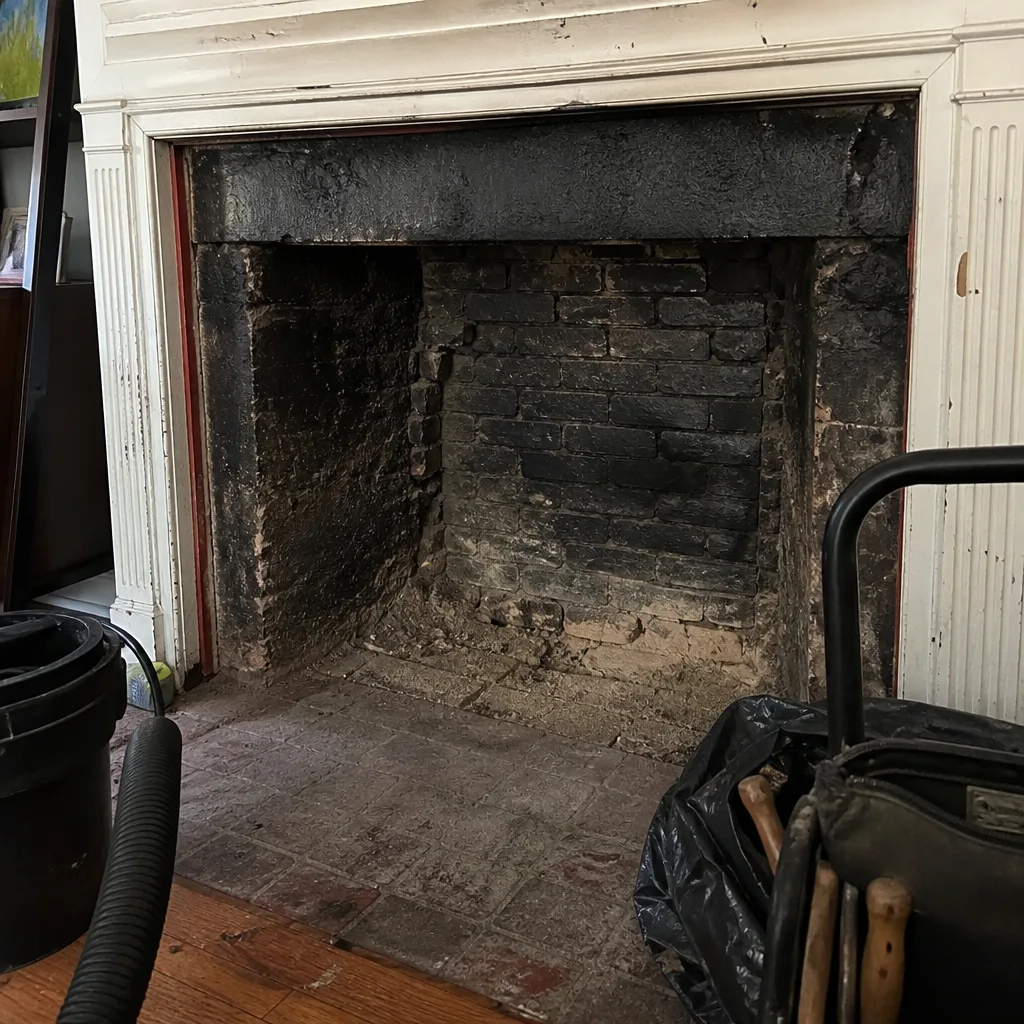
See the difference
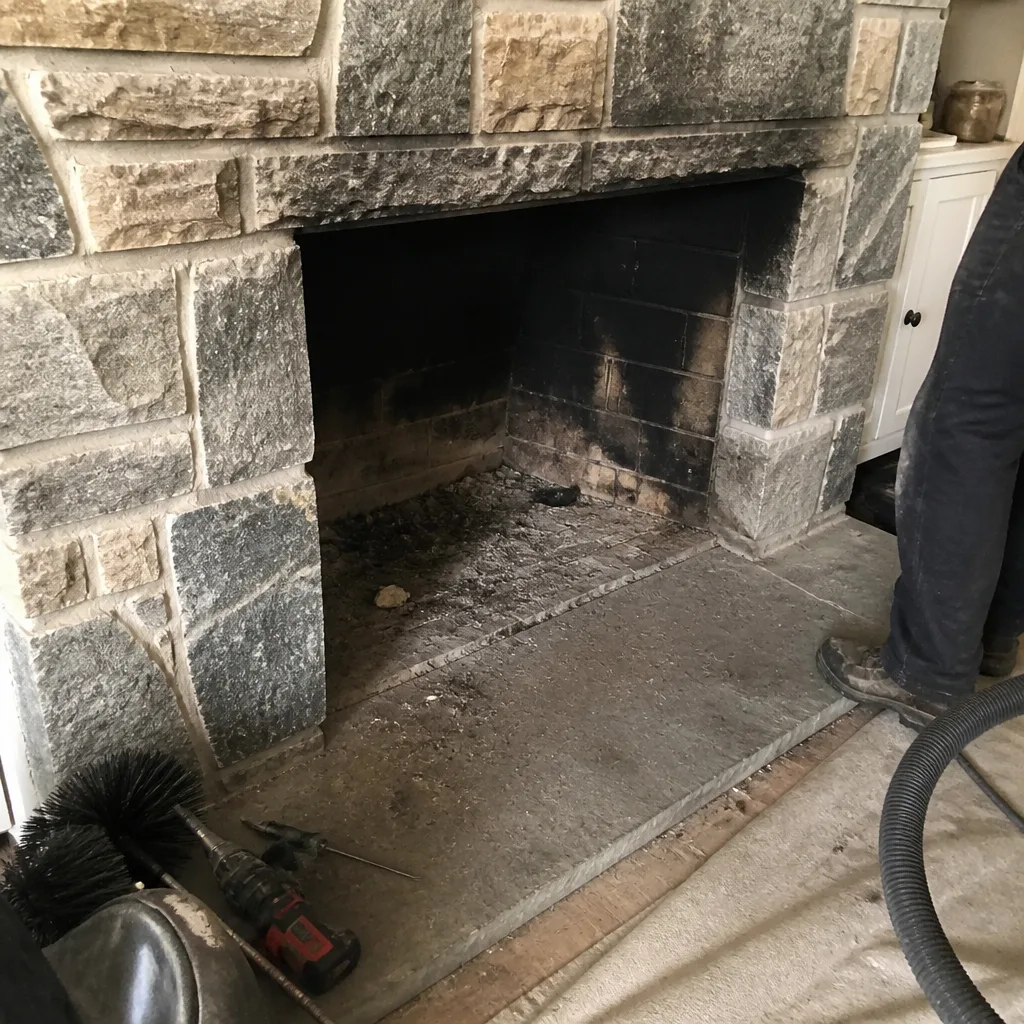 Before
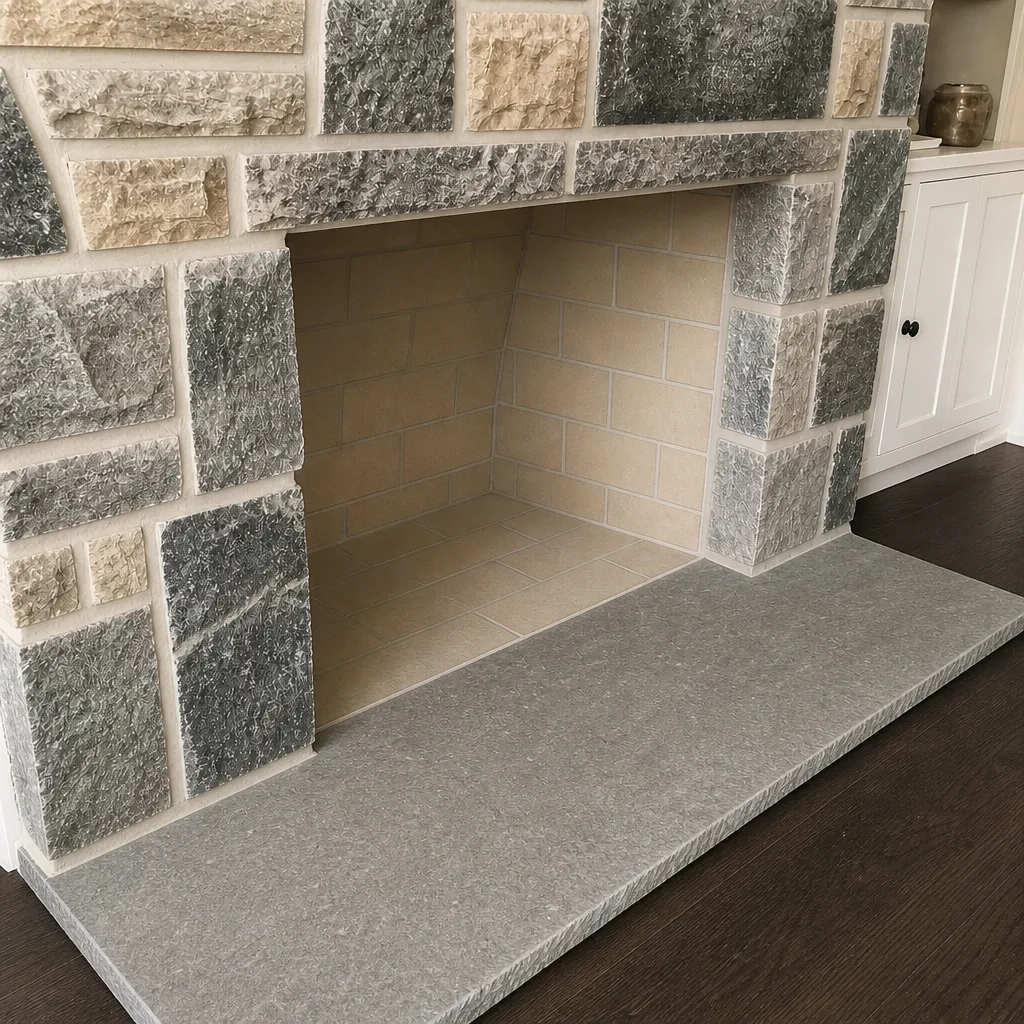 After
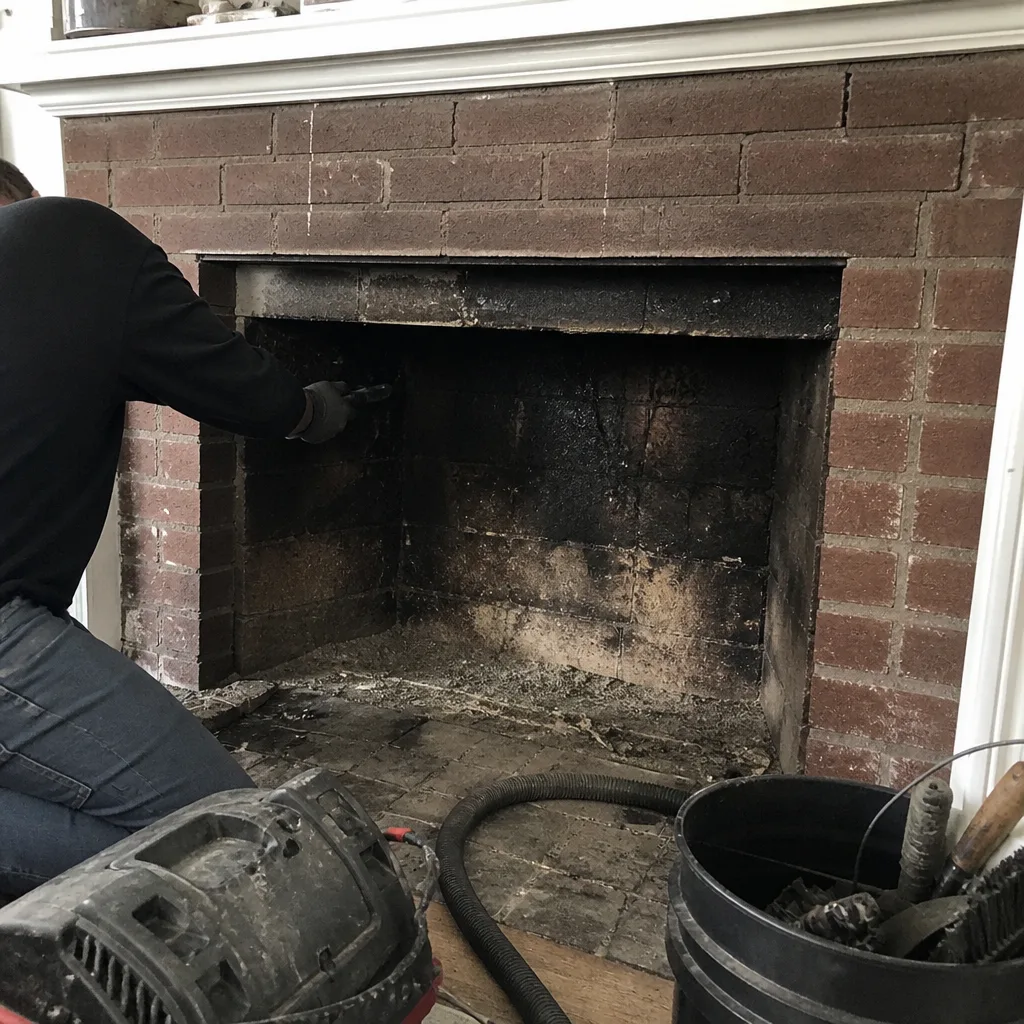 Before
 After
 Before
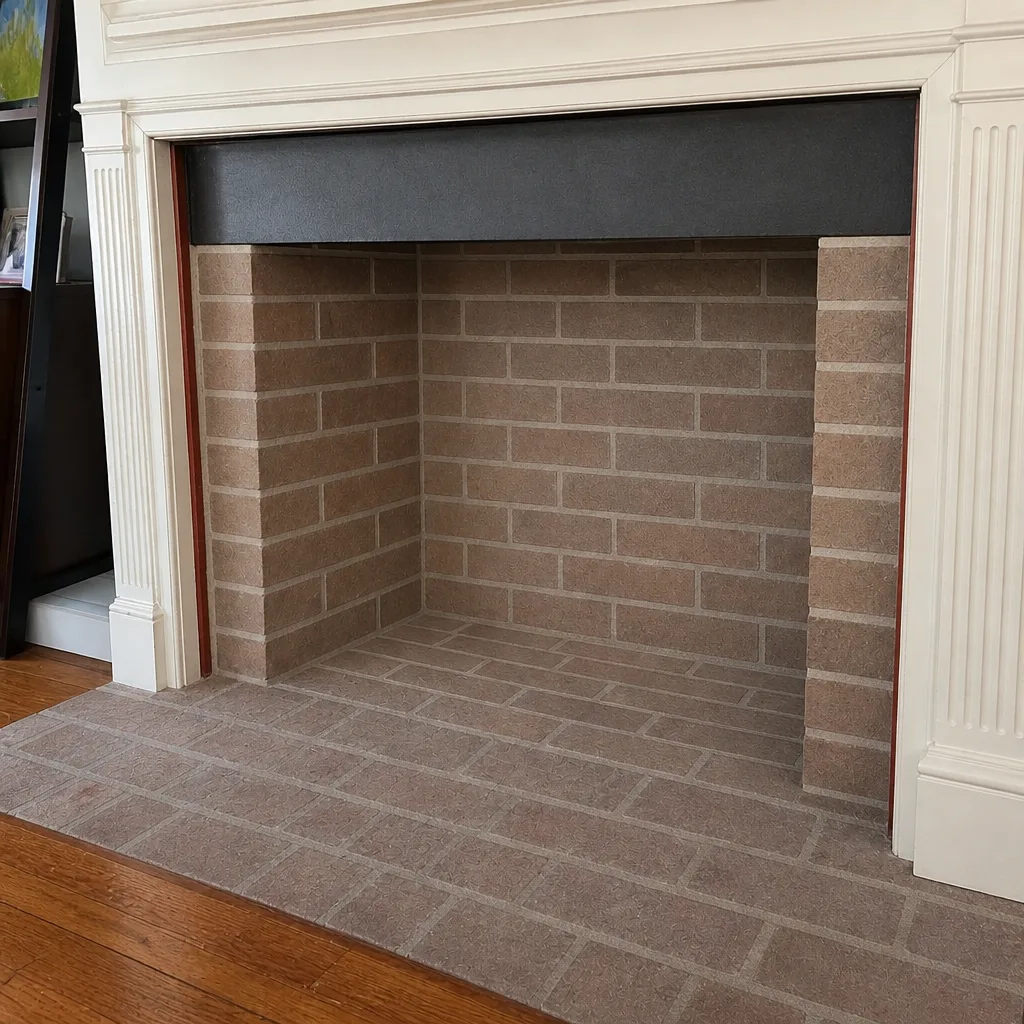 After
When to Call a Professional
Call a professional when you’ve found a stop-now sign, when the smoke-match test points to an obstruction, or when the flashlight-and-mirror inspection shows spalling tile or glassy creosote. Call if you can’t remember the last sweep, if the firebox smells of creosote when no fire is lit, or if a cap or crown has cracked and you can see water paths. Call before you burn again if mortar or tile is falling into the firebox. For anything you’re unsure about, call and describe what you found. Chimney Sweep Bustleton offers free estimates in Bustleton – call (833) 350-7109 to book an inspection. We answer 24/7, and fast dispatch runs 7am to 7pm, Sunday through Friday. A licensed, insured local pro handles the work, the estimate sets the price per job, and a photo report comes with the inspection.
Frequently Asked Questions
A routine sweep here typically runs in a modest, mid-range range that depends on the flue’s condition and how much creosote has built up; a heavier glazed creosote job that needs rotary cleaning is quoted separately. The written estimate sets the final price, and estimates are free. Call (833) 350-7109 for an exact quote.
Run the smoke-match test: hold a smoldering match near the open damper and watch which way the smoke drifts. If it rises and disappears, the draft works and the problem is elsewhere; if it hangs or curls back, suspect a blockage or a pressure problem. Crack a nearby window and retest – if the smoke clears, the house is pulling harder than the flue. Call (833) 350-7109 to book an inspection if the smoke still won’t clear.
Not always. A spalled or pitted clay tile liner can often be restored with HeatShield resurfacing rather than fully replaced. A new DuraFlex stainless liner is the right call when the tile is structurally compromised and resurfacing won’t hold. The inspection and photo report show you which case you’re in, so nothing is recommended without evidence. Call (833) 350-7109 for a free estimate on a liner inspection.
Once a year is the standard interval for a fireplace in regular use, and heavy burning means sweeping after each season. If your flue walls look glassy or thick with dark crust, you’re past due. Call (833) 350-7109 to book a sweep and get an honest read on how often your fireplace actually needs one.
Creosote builds up and glazed creosote can ignite, which is a chimney fire, and a blocked or cracked flue lets smoke and carbon monoxide back into the room instead of up and out. Skipping service also means a cracked crown keeps leaking water through freeze-thaw cycles, softening mortar and cracking tiles. None of this is a reason to panic, but it is a reason to book before the next fire. Call (833) 350-7109 for a free estimate.
Rowhouses commonly roll back because the chimney sits on a shared wall, nearby buildings cut off airflow across the flue top, and the firebox is shallow relative to the flue. The result is negative pressure that pushes smoke into the room. A purpose-engineered cap, a top-sealing damper, or a flue extension often fixes it. Call (833) 350-7109 to book a cap and crown inspection.
The Bottom Line
Most chimney trouble in Bustleton breaks down to draft, creosote, or structural cause, and knowing which one you have tells you what kind of help you need. The smoke-match test separates a blocked flue from negative pressure. A flashlight-and-mirror look up the flue catches spalling clay tile before it fails. Glazed creosote needs rotary cleaning where soot only needs a sweep. A failing cap or crown lets water start the damage most inspections miss. Stop burning on mortar or tile falling into the firebox; monitor the rest on a scheduled inspection. The right fix starts with a photo report you can see for yourself. Call (833) 350-7109 for a free estimate.
Written by the team at Chimney Sweep Bustleton.