
Last updated November 22, 2026
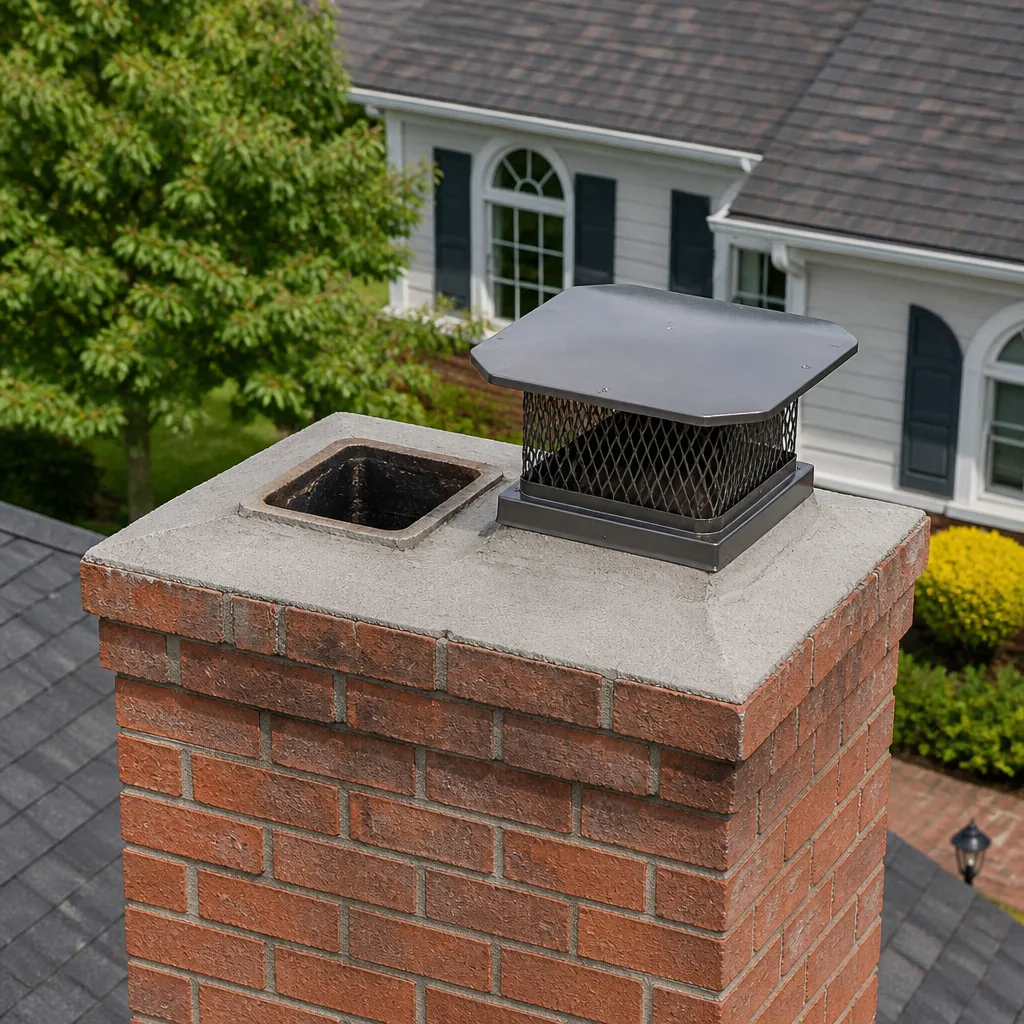 Sweep & inspection
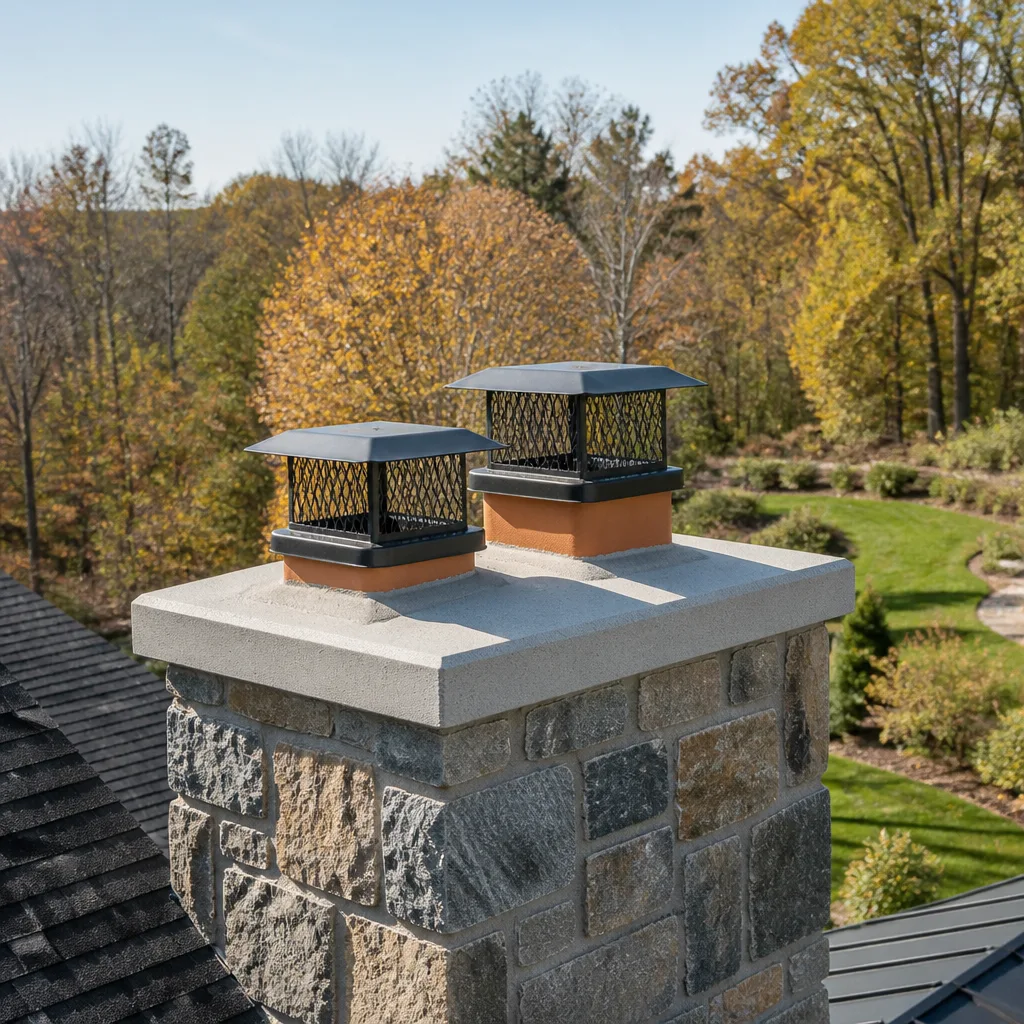 Caps & crowns
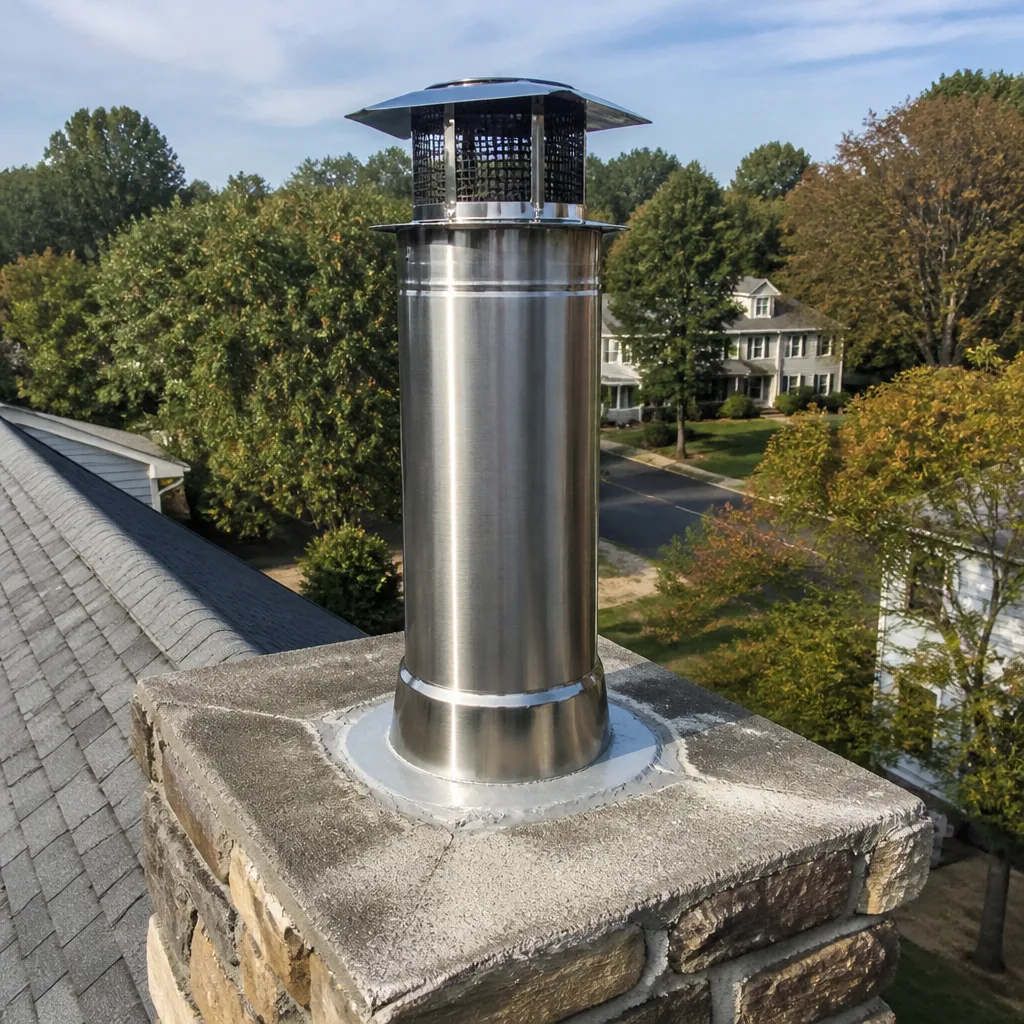 Flue relining
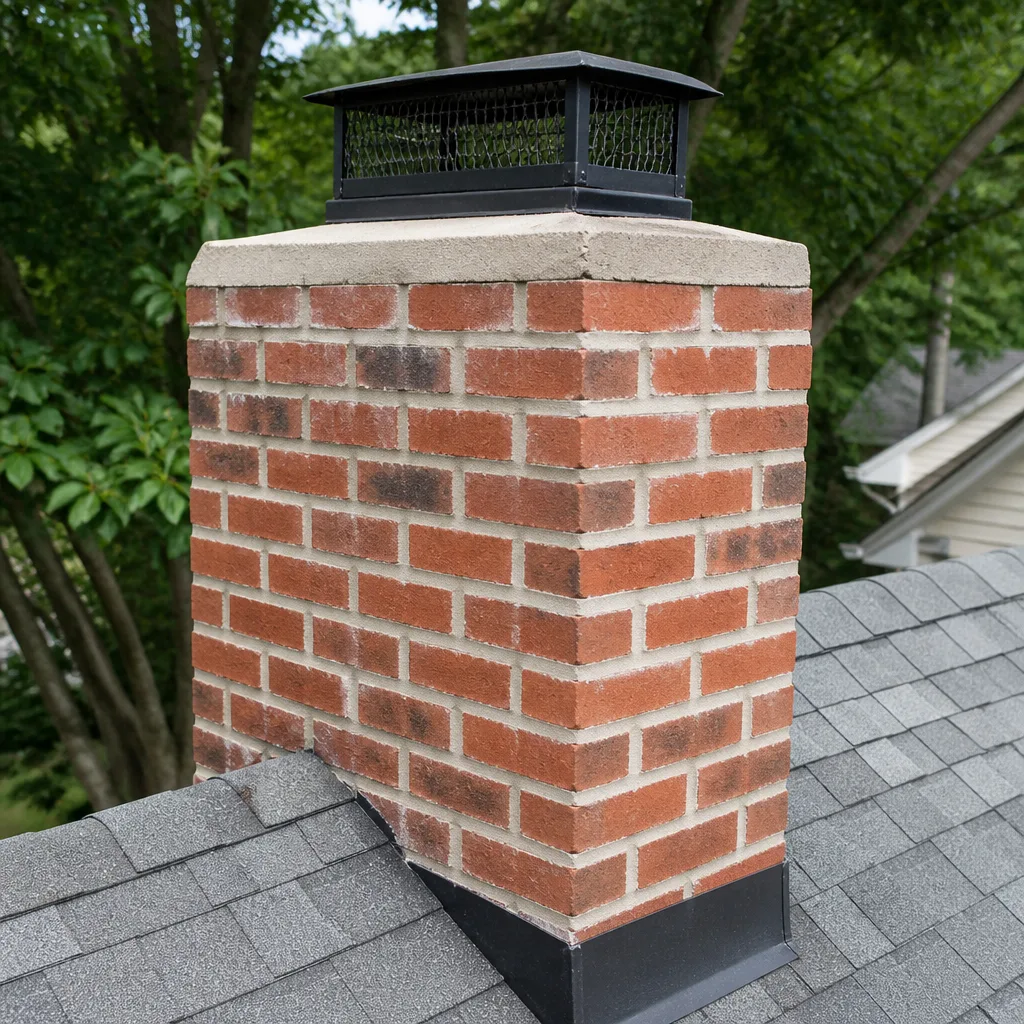 Masonry repair
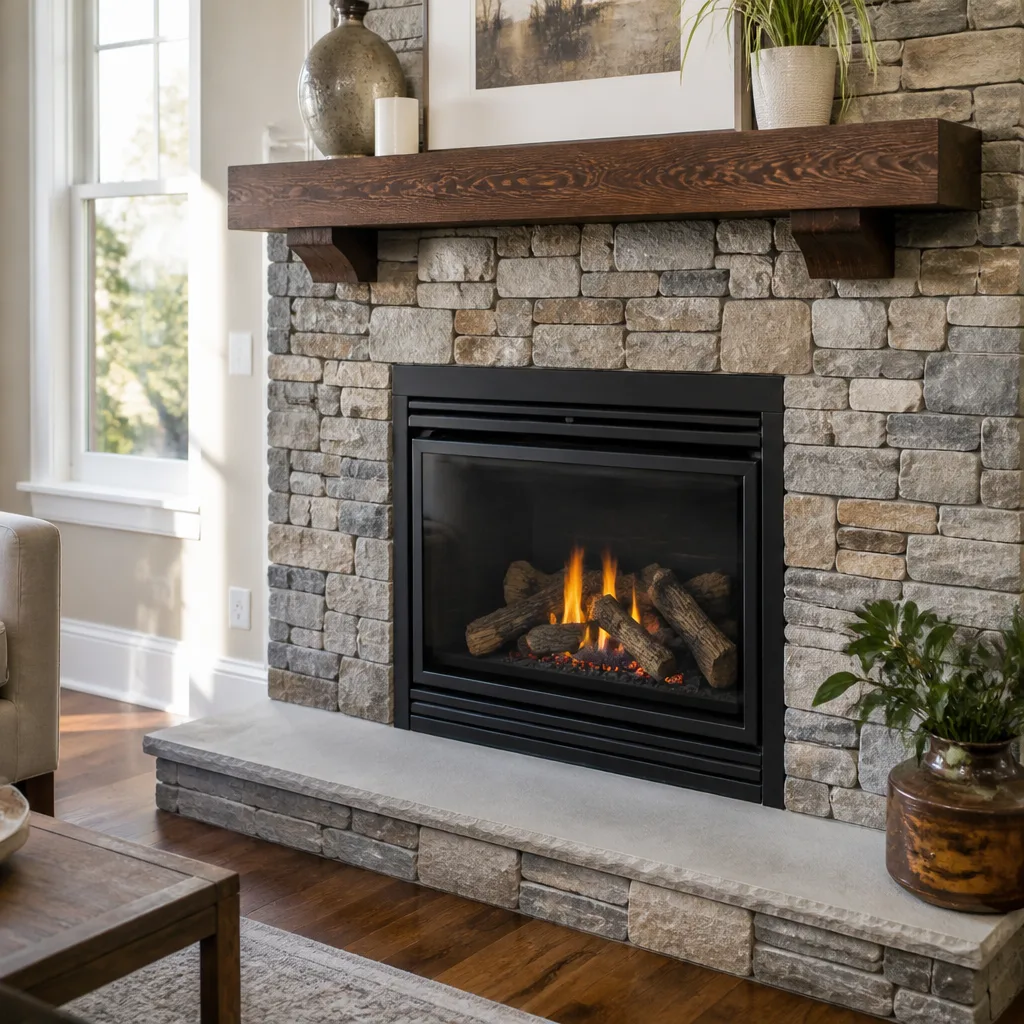 Gas fireplace service
Level 1 sweep and inspection to the NFPA 211 annual standard - flue, crown, cap, and flashing checked and photographed
Chimney sweep logs do not sweep chimneys. They loosen some creosote - which then falls where a brush and vacuum still have to collect it.
Chimney Cleaning Permits, Codes & Inspections in Bustleton, PA: What You Need to Know
A stainless steel liner installed without a permit in Philadelphia County can create a real problem at resale and with your insurer, because the installation never landed on record as inspected. Many homeowners assume any chimney work needs a permit, and just as many assume none of it does. Both are wrong. The line between routine maintenance and permitted construction is specific, and it’s drawn by the code edition Pennsylvania has adopted plus what Philadelphia’s Department of Licenses and Inspections requires for the work itself. This guide draws that line for Bustleton homeowners: what’s exempt, what’s permitted, how to verify a contractor pulled the right paperwork, and what grandfathering does and doesn’t protect on an older Bustleton chimney.
Quick Answer
Routine chimney cleaning in Bustleton and across Pennsylvania does not require a permit. The moment work crosses into structural or system changes, such as a liner replacement, firebox or crown rebuild, or a new appliance connection, it typically falls under the International Residential Code (IRC) chimney provisions that Pennsylvania has adopted, and in Philadelphia it generally requires a permit from the Department of Licenses and Inspections. A code-compliant liner install uses the correct stainless gauge, proper termination height above the roofline, and insulation where the appliance calls for it, and the permit inspection is what puts that install on record.
Styles & brands we work with
- Sweep & inspection
- Caps & crowns
- Flue relining
- Masonry repair
- Gas fireplace service
Table of Contents
- What Work Needs a Permit in Bustleton, and What Doesn’t
- How the IRC Chimney Code Applies to Repairs
- What a Code-Compliant Liner Installation Looks Like
- How to Verify Your Contractor Pulled the Permits
- What Grandfathering Does and Doesn’t Cover
- What a Chimney Inspection Covers and When You Need One
- Why Bustleton Chimneys Age the Way They Do
- Common Mistakes to Avoid
What Work Needs a Permit in Bustleton, and What Doesn’t
The clean dividing line is this: cleaning and inspection keep the system as it is, and permitting covers work that alters it. In practical terms, most of what a sweep does in a Bustleton home on a regular visit does not touch the permit process. Here’s how the two sides break down.
Routine maintenance, generally exempt from permits:
- Chimney sweeping to remove creosote, soot and debris from the flue
- Visual inspection of the firebox, damper, flue and cap
- Replacing a damaged cap with a purpose-engineered unit such as a Gelco cap
- Minor mortar touch-up that doesn’t change the structure or clearances
Work that typically crosses into permitted construction:
- Relining the chimney, whether with a stainless system or a resurfacing method
- Rebuilding or resurfacing a firebox or smoke chamber
- Replacing or rebuilding a crown that changes the chimney’s structural profile
- Connecting a new appliance, such as a wood stove, insert or heating appliance
- Removing or altering a chimney, or changing its height above the roofline
The distinction matters because an unpermitted liner or firebox job can sit invisible for years, then surface during a home sale inspection or an insurance claim. We’ve seen homeowners surprised by a code question at closing on a Bustleton home where the liner was installed without a record.
One caveat worth stating plainly: code adoptions and local amendments change, and a phone call to the Philadelphia Department of Licenses and Inspections settles the question for your specific address faster than any general guide. Treat the lists above as the pattern, then confirm with L&I before work starts.
How the IRC Chimney Code Applies to Repairs
Pennsylvania has adopted the International Residential Code, and its chimney and venting provisions, IRC Sections R1001 through R1005, set the baseline standard for chimney construction, clearances and repair across the state. In Bustleton, that means a repair isn’t just “does it work,” it’s “does it meet the code edition in force when the work is done.”
The IRC sections that come up most in a repair conversation:
- R1001 covers masonry chimney construction: wall thickness, flue lining, clearance from combustibles, and how the crown should shed water.
- R1002 addresses factory-built fireplaces and appliances and the listing requirements for their venting.
- R1003 sets fireplace and chimney requirements, including spark arrestors, caps and hearth extension.
- R1004 covers factory-built chimneys and the appliance venting connected to them.
- R1005 covers chimney liners and the material expectations for a masonry flue.
What this means for a liner: the code expects the flue to be lined and sized correctly for the appliance, with the correct clearance to combustibles maintained. A stainless liner, whether a DuraFlex flexible system or a rigid section, must be the appropriate gauge and must terminate at the right height above the roofline. Insulation is required for certain appliance types and in certain conditions, and skipping it isn’t a shortcut, it’s a code miss.
For resurfacing work, HeatShield is a cast-in-place method that restores a masonry liner’s integrity. It has a defined role in code-compliant repair, but only where the existing flue meets the conditions for resurfacing. It’s not a substitute for a stainless liner in every situation, and any contractor who treats the two as interchangeable isn’t reading the code carefully.
What a Code-Compliant Liner Installation Looks Like
A code-compliant liner is a system, not a tube. It has a material, a gauge, a connection at the appliance, a termination height and a clearance strategy, all matched to the appliance it serves. When we quote a liner replacement, the following are the checkpoints that matter most.
A compliant liner install checks every one of these:
- The liner material and gauge match the appliance. Stainless is rated by alloy and thickness, and a wood appliance, gas appliance and oil appliance don’t all need the same liner.
- The liner is insulated where the appliance or the code requires it. Insulation protects against heat transfer to combustibles and helps draft.
- The termination is at the correct height above the roofline per the code’s chimney height rules, not just “as high as the old one.”
- The connection at the appliance is a listed, correct fitting, not a taped or pieced-together joint.
- The clearance to combustibles from the chimney chase is maintained, and any gaps in the chimney structure are addressed before the liner goes in.
- The liner is secured at the top with an appropriate cap or termination and inspected after install.
That’s what a permitted install is really buying you: an inspector checking the physical work against the code, not just the contractor’s word. On a Bustleton chimney, where the housing stock includes plenty of older masonry chimneys that have settled or been altered over the years, verifying the chase before a liner goes in is as important as the liner material itself.
Resurfacing with HeatShield fits some jobs, flexible DuraFlex stainless fits others, and the wrong pick is the one that fails an inspection. Our role is to diagnose the chimney and specify the right method, then handle the paperwork so the install lands on record.
How to Verify Your Contractor Pulled the Permits
Before work starts, you can and should confirm the permit exists. In Philadelphia, that’s done through the Department of Licenses and Inspections. You don’t need to be a contractor or a code expert to check; you need the property address and the permit number the contractor gives you.
Step by step:
- Ask the contractor, in writing, whether a permit is required for your job and, if so, for the permit number.
- Ask who is pulling the permit. It should be pulled before work starts, not “we’ll file it after.”
- Look up the permit through Philadelphia L&I’s online permit lookup using the address or the permit number. A real permit shows the scope, the location and the status.
- Confirm the scope on the permit matches the work being done. A permit for a “cap replacement” doesn’t cover a full reline.
- Ask for the inspection sign-off after the work is done. The final inspection is what closes the permit.
A contractor who hesitates at step one is a red flag. In our experience, homeowners who ask for the permit number up front get cleaner work and a cleaner resale file, because the paperwork is part of the job.
You don’t have to run the lookup yourself if you’d rather not. Any part of this process can be handed to a chimney contractor working in Bustleton who pulls permits as part of the job, and a good one will show you the number before the crew shows up. If you’re scheduling a chimney repair, ask about permits in the first call.
What Grandfathering Does and Doesn’t Cover
“Grandfathering” is shorthand for the idea that an older chimney built to the code in force at the time doesn’t have to meet today’s code. That’s partly true and often misunderstood. It applies to a chimney that still exists as it was built. The moment you do new work on the system, the rules for that work apply.
What grandfathering generally does cover:
- A pre-existing chimney that hasn’t been altered and still stands as originally built may be considered compliant with the code of its era
- An older flue that passes a visual inspection reasonably well doesn’t automatically have to be replaced just because newer standards exist
What grandfathering doesn’t cover:
- A liner replacement, firebox rebuild or crown replacement done today, which must meet the code in force when the work is performed
- A chimney that has been altered in a way that changed its clearances or structural condition
- A new appliance connection, which is treated as new work regardless of the chimney’s age
On Bustleton chimneys from the mid-20th century, this is where it gets interesting. Plenty of these chimneys were built with a flue liner that was standard then, and it’s fine as long as it’s never had a liner or appliance added. Add a new stainless liner or reconnect an appliance, and today’s IRC provisions apply to that work. Pulling a permit and doing the install right the first time closes off a resale problem. Skipping it doesn’t make the old chimney noncompliant; it makes the new work unpermitted, which is worse.
What a Chimney Inspection Covers and When You Need One
A chimney inspection and a permit inspection are different events, and it helps to know which one a contractor is talking about. A chimney inspection is a service that assesses your system’s condition and tells you what work, if any, is needed. A permit inspection is a code check done by the local authority during or after permitted work. You’ll want the first, you may need the second, and a good contractor tracks both.
A chimney inspection, at a minimum, looks at:
- The flue, checked for creosote buildup, obstructions and liner condition
- The firebox, smoke chamber and damper
- The crown and cap, checked for cracks and water intrusion
- The exterior masonry and any signs of settlement, spalling or water damage
- The termination height and cap condition above the roofline
When to schedule one:
- Annually for a chimney in regular use, according to national fire safety guidance, and definitely before the heating season starts in Bustleton.
- Before any repair that could change the flue’s role, such as a liner replacement, firebox resurfacing or appliance connection.
- After a chimney fire, a storm, or any event that might have damaged the structure.
- Before buying or selling a home with a chimney in use.
If a chimney inspection turns up a cap or crown problem, we address it as its own service, because water intrusion is a repair the inspection catches every time it’s done well. Our chimney cap & crown work is part of the same visit as the inspection, not a separate sales call.
Why Bustleton Chimneys Age the Way They Do
Bustleton’s housing stock gives its chimneys a particular personality. Much of the neighborhood was developed in the mid-20th century, with masonry chimneys built alongside the homes. Those chimneys have spent decades in the same climate: freeze-and-thaw cycles through a Northeast Philly winter, summer humidity, and the seasonal temperature swings that are hard on brick and mortar.
The practical effects on a Bustleton chimney:
- Freeze-thaw cycling works on small mortar cracks, opening them up over the years and allowing water into the masonry when it rains.
- Older chimneys often have a crown that was built without a proper overhang or drip edge, so water runs down the side of the chimney instead of off the top.
- The flue in an older masonry chimney may have been lined, may have been relined at some point, and may have been modified by a previous homeowner. That history is exactly why an inspection matters before any liner decision.
- Neighborhoods near Pennypack Park and in the heart of Bustleton share the tree canopy and shade that help keep things cool but also trap moisture on shaded brick.
None of this means an older Bustleton chimney needs replacing as a rule. It means the inspection has to look at the whole system, and the repair has to match the finding. Resurfacing with HeatShield, a flexible DuraFlex liner, or a fresh crown with a Gelco cap are different answers to different problems, and the value is in the diagnosis.
Common Mistakes to Avoid
- Assuming “no permit needed” applies to a liner. A sweep doesn’t require one; a reline usually does, and treating them the same is how unpermitted work ends up in your house.
- Letting a contractor “file the permit later.” The permit should be pulled before work starts, and you should have the number in hand. A permit pulled after the fact protects no one.
- Skipping the inspection before a liner decision. The flue has to be checked for existing damage and clearance before a liner goes in, or the new liner sits on a bad foundation.
- Confusing resurfacing with lining as interchangeable. HeatShield resurfacing and a stainless liner solve different problems, and the code doesn’t treat them as the same repair.
- Ignoring the cap and crown until the flue is damaged. Water intrusion is the quiet problem in Bustleton chimneys, and it’s caught by looking at the top of the system, not just the firebox.
- Trusting a “grandfathered” claim on new work. Your chimney’s age may be protected, but the work done today isn’t. Confirm your contractor understands the difference.
- Not keeping the paperwork. Put the permit number and the inspection sign-off with your home documents. It’s the first thing a buyer’s inspector asks for.
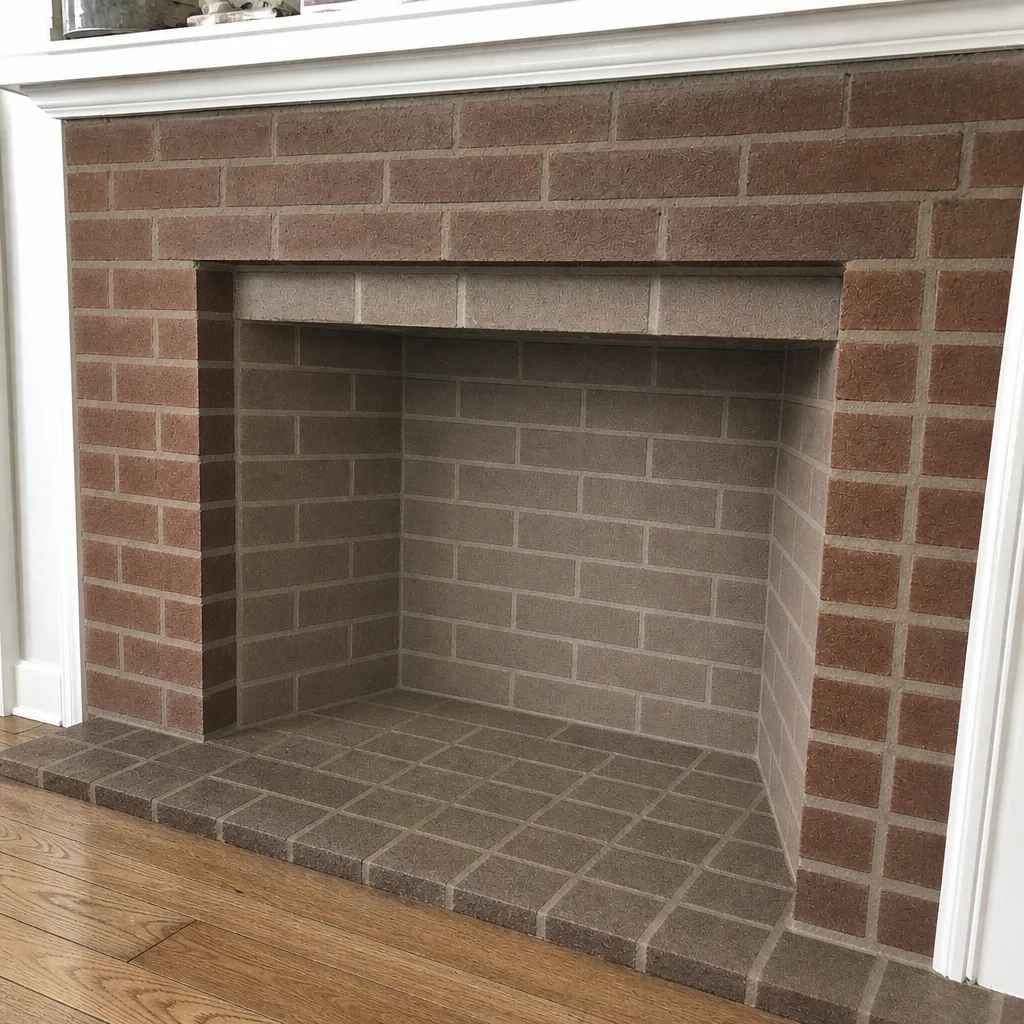
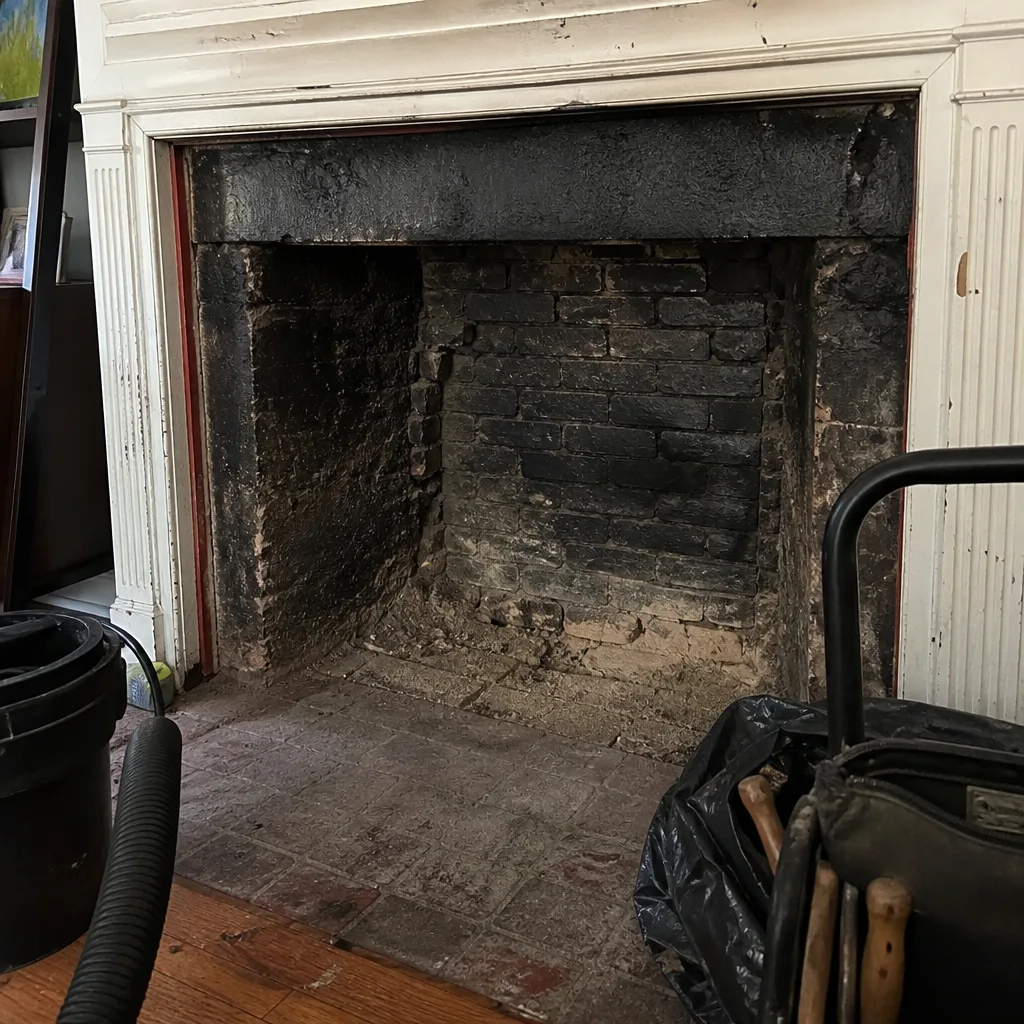
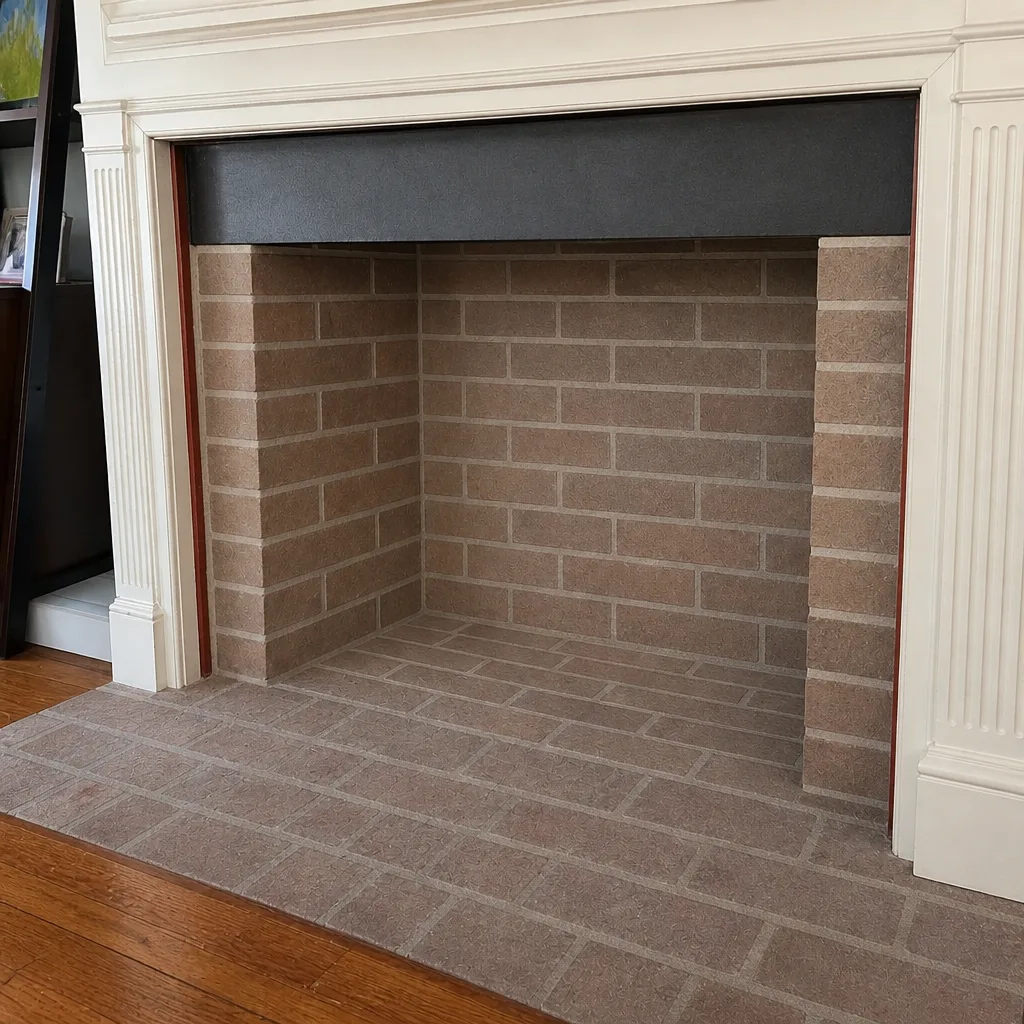
See the difference
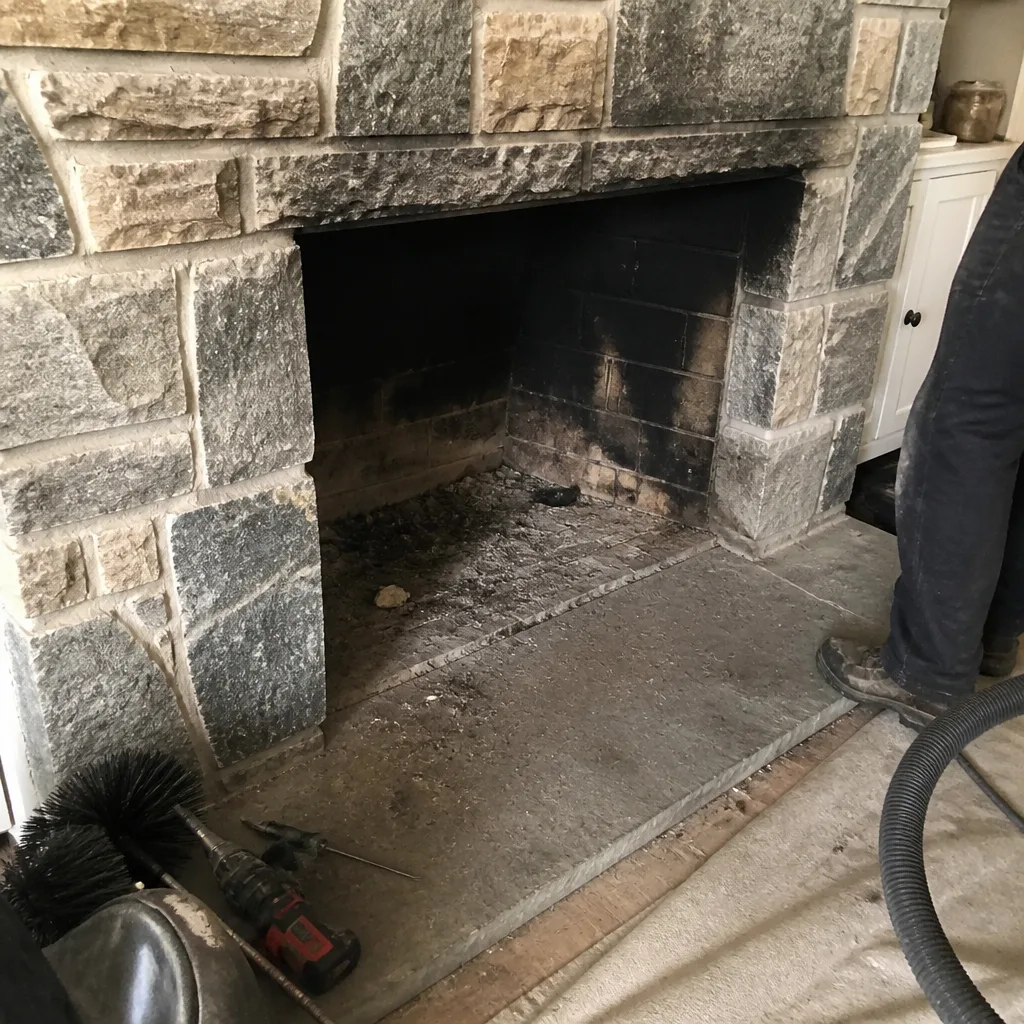 Before
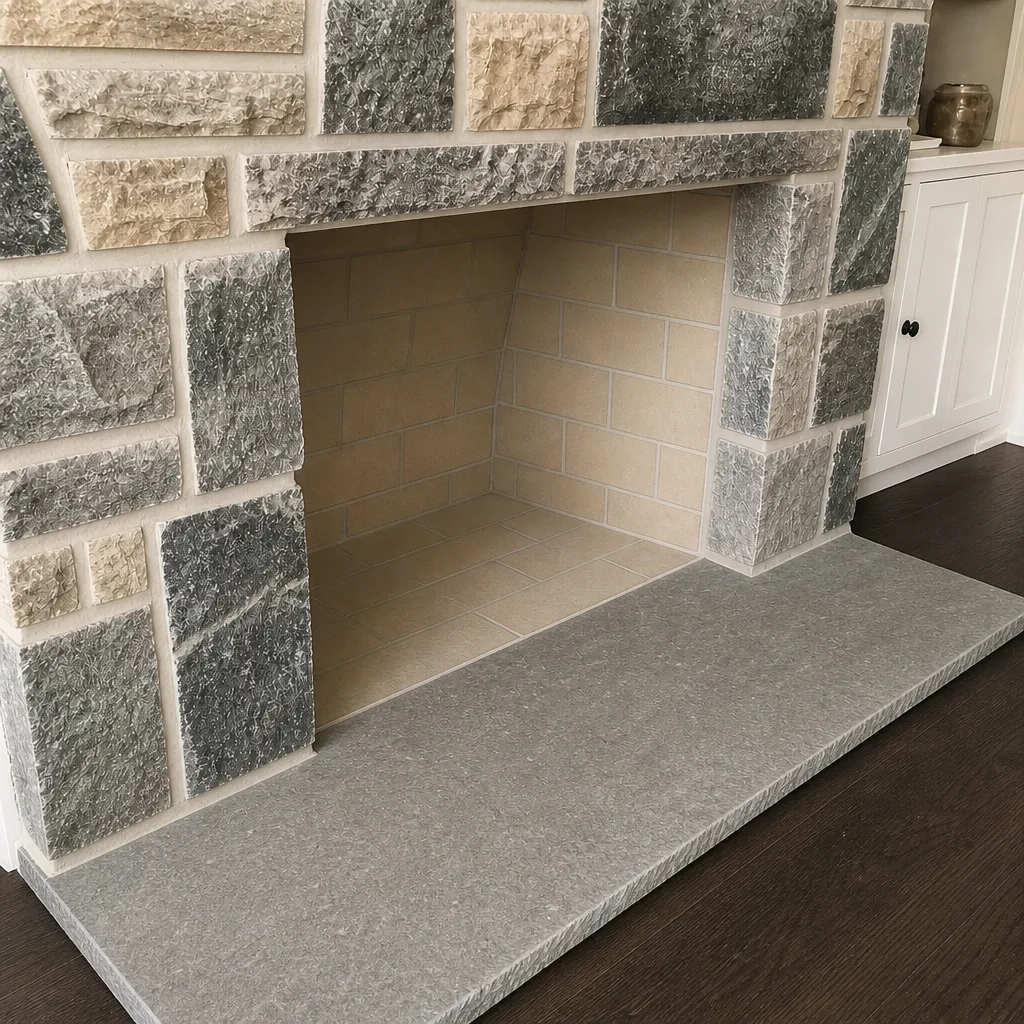 After
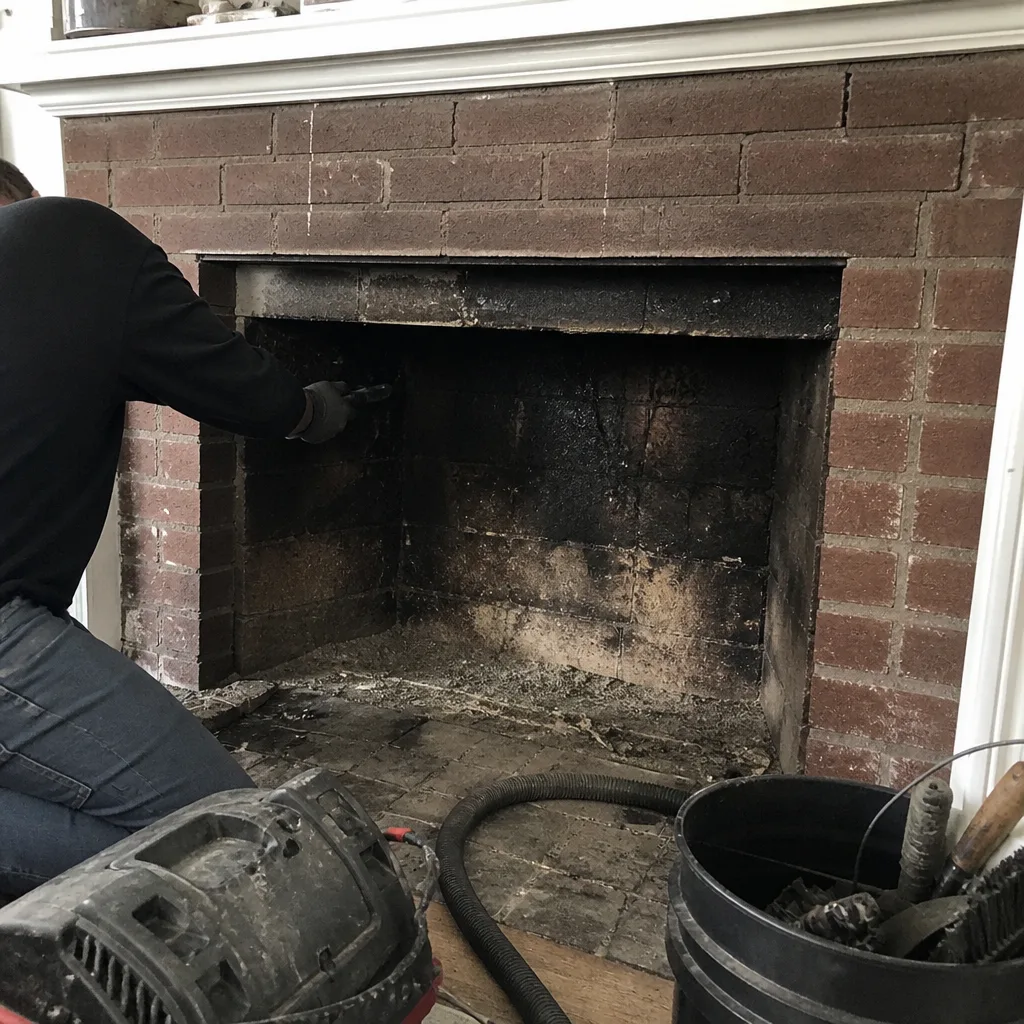 Before
 After
 Before
 After
When to Call a Professional
Call when the work crosses the line from cleaning to changing the system: a reline, a firebox rebuild, a crown replacement, or a new appliance connection. Call when you’re buying or selling a Bustleton home with a chimney in use, and you need the system inspected before the deal closes. Call when a previous repair’s permit status is unclear, or when your insurer asks for documentation of a liner install. And call when your annual sweep turns up a finding you can’t verify on your own.
Our technicians have up to 9 years of experience identifying what’s causing a chimney problem and specifying the right repair, from a chimney sweep to a full liner replacement. We work with DuraFlex, HeatShield, Gelco and other professional-grade components, and we pull permits as part of the job. Chimney Sweep Bustleton offers free estimates in Bustleton: call (833) 350-7109. We answer 24/7. Fast dispatch from 7am to 7pm, Sunday through Friday.
Frequently Asked Questions
No. A routine chimney cleaning doesn’t require a permit in Bustleton or anywhere in Pennsylvania, because it doesn’t alter the system. Cleaning removes creosote and debris; it doesn’t change the flue, liner or clearances. If the sweep turns up a problem that needs a repair, that repair may need a permit, and a good contractor will tell you before scheduling it. Call (833) 350-7109 for an exact quote on a sweep, and estimates are free.
Usually yes. A liner replacement is a change to the chimney system, not routine maintenance, and in Philadelphia that generally falls under permitted work through the Department of Licenses and Inspections. The exact requirement depends on your address and the scope, so ask your contractor to confirm with L&I and give you the permit number before work starts. Call (833) 350-7109 for an exact quote on a liner, and estimates are free.
The IRC requires a chimney to be lined with a material suitable for the appliance it serves, sized correctly, and kept at the proper clearance to combustibles. Stainless liners must be the right gauge and alloy for the appliance, with insulation where the code requires it and a termination at the correct height above the roofline. The requirement isn’t a single product brand, it’s a set of performance conditions a proper install has to meet. Call (833) 350-7109 for an exact quote on a liner install, and estimates are free.
Look up the permit number through Philadelphia L&I’s online permit lookup using your property address or the permit number. Compare the scope on the permit to the work that was done, then confirm a final inspection sign-off closed it. If you can’t find the permit, ask the contractor who did the work; if they can’t produce it, that’s information you want before a home sale or insurance claim. Call (833) 350-7109 for an exact quote on an inspection, and estimates are free.
Grandfathering protects a chimney that still stands as originally built and hasn’t been altered, allowing it to remain under the code of its era. It doesn’t protect new work: a reline, firebox rebuild or appliance connection done today must meet the current IRC provisions. The practical takeaway is that old chimney conditions may be grandfathered, but any new repair isn’t, which is why pulling a permit for the repair matters. Call (833) 350-7109 for an exact quote, and estimates are free.
You lose the paper trail that proves the work was done right. An unpermitted liner or firebox repair can sit invisible for years, then surface at a home inspection or an insurance claim as an open question, which can complicate a sale or a coverage decision. The chimney itself may work fine, but the record doesn’t exist to show it was inspected against the code. Call (833) 350-7109 for an exact quote on an inspection, and estimates are free.
The Bottom Line
The line in Bustleton is between cleaning and changing the system. Routine sweeps don’t need a permit; liner replacements, firebox rebuilds, crown replacement and new appliance connections generally do, and the Philadelphia Department of Licenses and Inspections is the place to confirm the specifics for your address. Pennsylvania’s adoption of the IRC sets the standard for how a compliant liner is built: right material, right gauge, right termination height, proper insulation. Grandfathering protects an older chimney’s original condition, not the new work done on it. Verify the permit number before work starts, keep the inspection sign-off with your home documents, and let the diagnosis drive the repair, whether that’s resurfacing with HeatShield, a DuraFlex liner, or a fresh cap. Every job is detailed in a written estimate, and the price is set by that estimate, so you know the scope and cost before anything starts.
If it’s time to book an inspection or a sweep, or you have a liner question and want a straight answer, call Chimney Sweep Bustleton at (833) 350-7109 for a free estimate. We answer 24/7. Fast dispatch from 7am to 7pm, Sunday through Friday. One call covers the full system, from the Chimney Sweep Bustleton sweep through the repair or reline that follows.
Written by the team at Chimney Sweep Bustleton.