
Last updated November 22, 2026
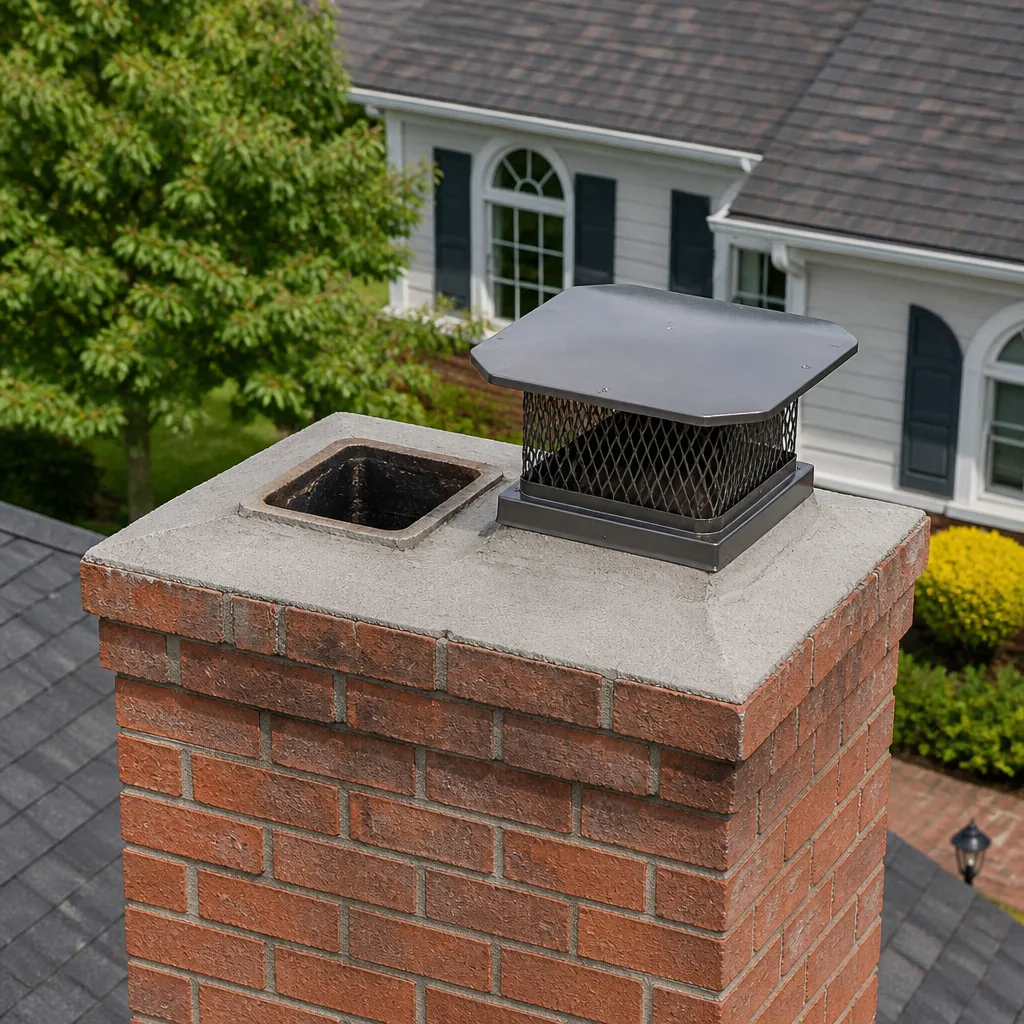 Sweep & inspection
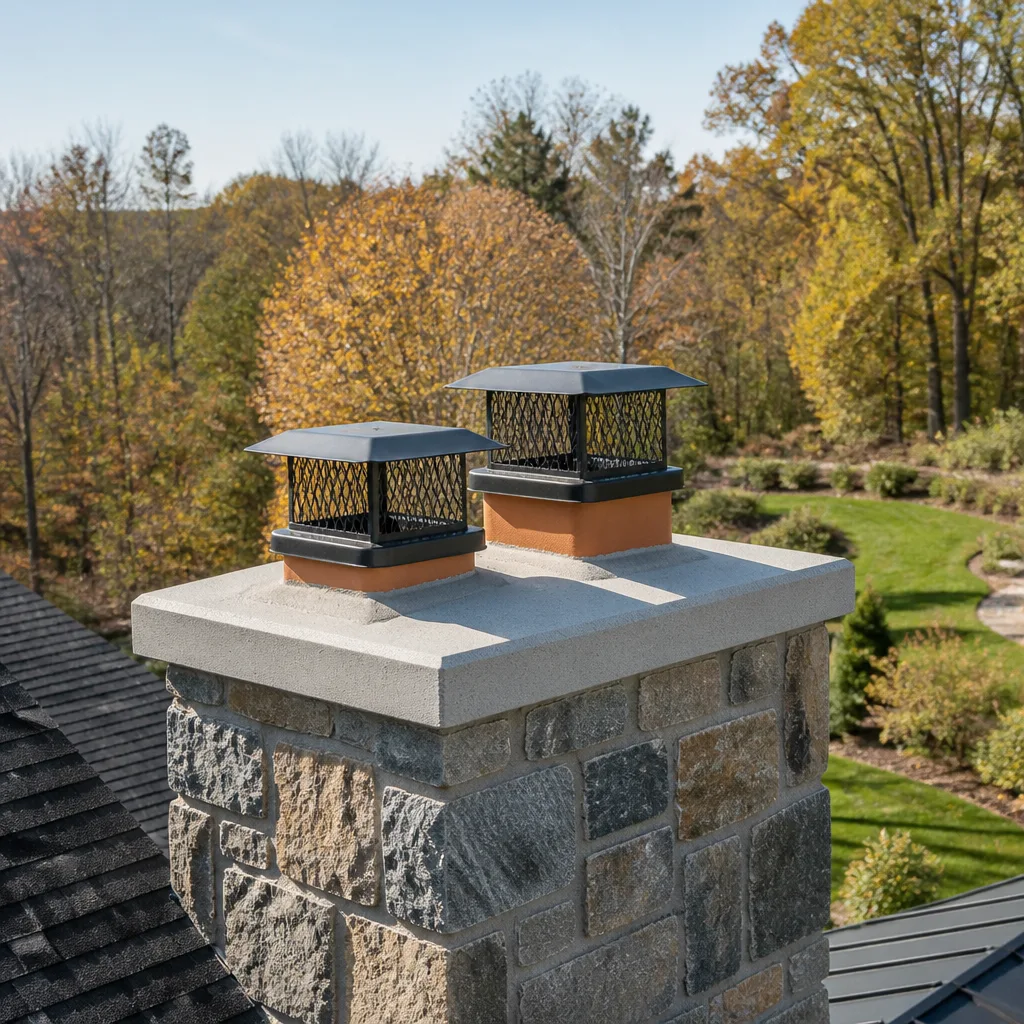 Caps & crowns
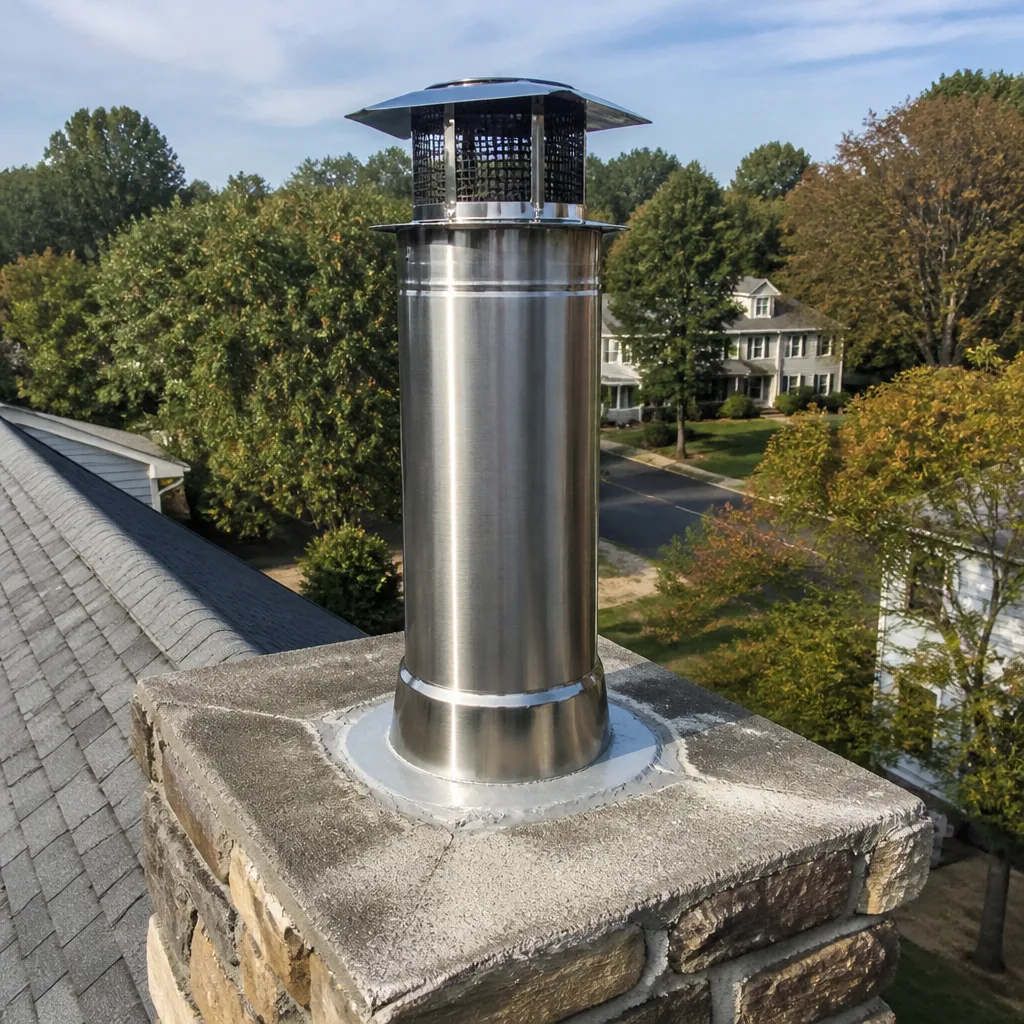 Flue relining
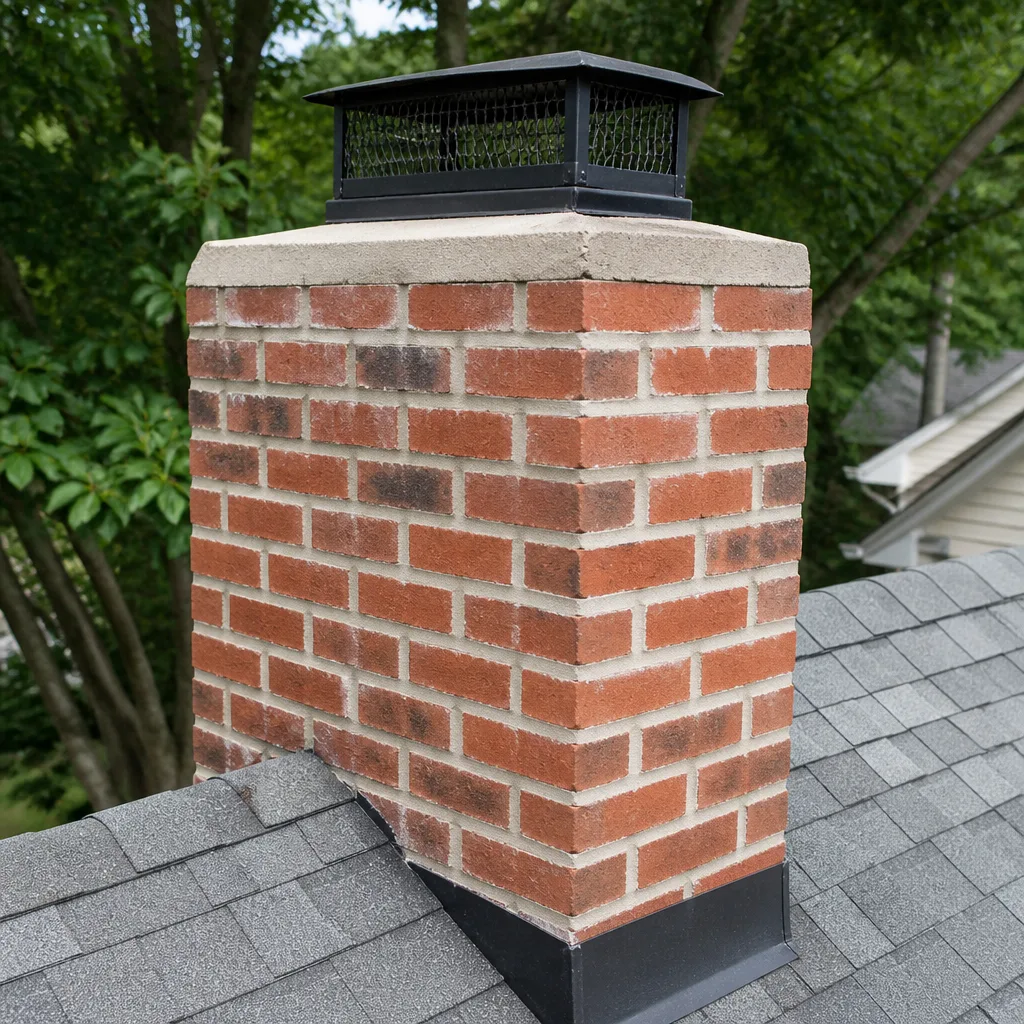 Masonry repair
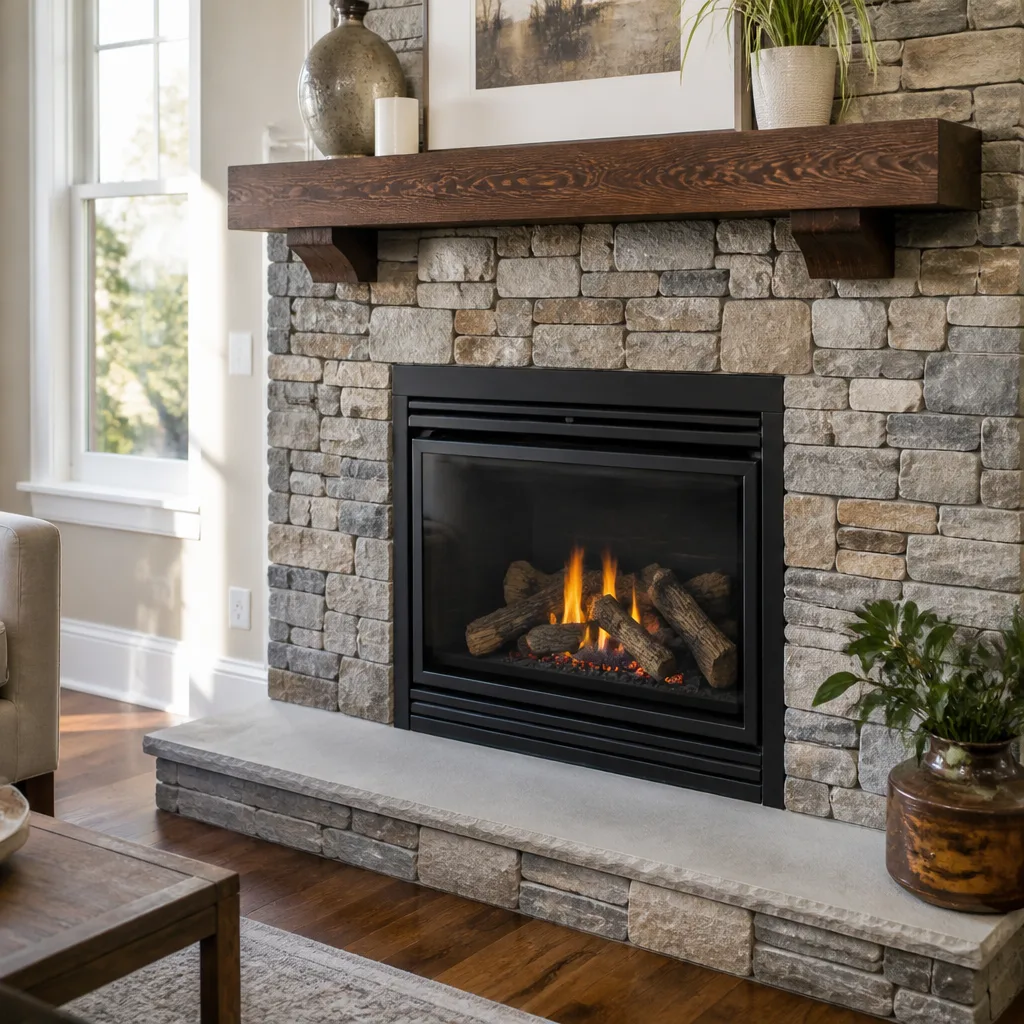 Gas fireplace service
Level 1 sweep and inspection to the NFPA 211 annual standard - flue, crown, cap, and flashing checked and photographed
Chimney sweep logs do not sweep chimneys. They loosen some creosote - which then falls where a brush and vacuum still have to collect it.
Chimney Cleaning Warning Signs: A Bustleton Homeowner’s Reference Guide
A strong campfire smell from a cold fireplace on a humid summer day isn’t a cleaning problem. It’s a draft reversal caused by a pressure imbalance in the house, and no amount of sweeping will fix it until the air pathway itself gets addressed. That’s the uncomfortable truth about most chimney warning signs: the smoke in your living room, the odor in the den, the drip you hear in the flue on a rainy night are all downstream symptoms of a system failure that’s already been moving along for months. In Bustleton, where winters are cold enough to run a fireplace hard and summers humid enough to reverse a weak draft, those symptoms show up fast. This guide connects each one you’ll notice to its most likely mechanical cause, so a service call turns into a diagnosis instead of a guess.
Quick Answer
The warning signs that matter most in a Bustleton home are white efflorescence on exterior brick, dark staining around the damper frame, crumbling mortar on the smoke shelf, dripping sounds in the flue, and any odor that shows up when the fireplace is cold and unused. Each of these points to a specific failure path – water infiltration, negative draft, or a liner and crown problem above – and none of them are solved by sweeping alone. A rumbling sound during an active fire is the one sign that means stop using the fireplace immediately and call.
Styles & brands we work with
- Sweep & inspection
- Caps & crowns
- Flue relining
- Masonry repair
- Gas fireplace service
Table of Contents
- Symptom-to-Cause: Reading What Your Chimney Is Telling You
- Draft, Blockage, or Combustion: Three Failure Types That Look the Same
- The Odor Decoder: Sulfur, Asphalt, Musty, and Smoke
- What Sounds in the Flue Actually Mean
- White Efflorescence on Bustleton Brick: The Water Path
- Monitor-and-Schedule vs. Act-Now: A Two-Tier Priority Framework
- What a Real Inspection Should Cover (Step by Step)
Symptom-to-Cause: Reading What Your Chimney Is Telling You
Most homeowners describe a chimney problem in the language of the living room: “there’s a smell,” “it smokes when I light it,” “I hear something.” What we need to translate that into is the language of the system. The physical chimney above and behind your fireplace has four failure zones that produce almost every symptom you’ll notice: the crown and cap at the top, the flue liner in the middle, the smoke shelf and damper at the bottom, and the firebox itself. Once you know which zone is failing, the fix stops being a mystery.
Here’s the mapping that matters most, and it’s the one homeowners rarely get told:
- White efflorescence on exterior brick – water is getting in somewhere above and pushing mineral salts out through the masonry. The likely path is a cracked crown, a failed mortar joint, or a cap that isn’t doing its job.
- Dark staining around the damper frame – smoke is rolling back into the room rather than going up. That’s a negative-draft or partial-blockage problem, and staining tells you it’s been happening long enough to leave a mark.
- Crumbling mortar on the smoke shelf – a sign of a liner or crown failure above, letting water run down into the smoke chamber where it degrades the mortar bed. This is the one that most often gets missed because it’s invisible from the living room.
- Smoke entering the room when you light the fire – a draft problem, a blockage, or a combustion-air starvation issue. Distinguishing which takes an inspection.
- Odor from a cold fireplace – almost always a draft reversal or a creosote buildup holding moisture.
In Bustleton, the homes are largely older masonry construction, and that matters. Brick and mortar from pre-war and mid-century builds absorb moisture more readily than modern materials, so the efflorescence and smoke-shelf mortar signs show up earlier here than they might in new construction. When we help homeowners across this part of Northeast Philadelphia assess a chimney, the most common single finding is a failed crown at the top and a compromised section of liner below, showing up together.
Draft, Blockage, or Combustion: Three Failure Types That Look the Same
From the couch, a smoking fireplace, a smoky smell, and a weak fire all look like the same problem: the chimney’s not working. In practice, those symptoms come from three distinct failure types, and diagnosing which one you have changes everything about the fix. Getting this wrong is the most common reason a homeowner spends money on a sweep that doesn’t solve anything.
- Draft problem. The chimney isn’t pulling air the way it should. Causes include a flue that’s too cold (common in Bustleton on mild spring and fall evenings when the house is tight and the stack hasn’t warmed up), a house that’s too well-sealed and starving the fireplace of combustion air, an oversized flue that’s more volume than the fire can fill with warm gas, or a flue that’s the wrong length relative to the fireplace opening. Sweeping doesn’t touch any of these.
- Blockage problem. Something is physically in the flue, or the flue itself is partially collapsed. Causes include a bird’s nest or animal intrusion, a broken flue tile that’s fallen in, a heavy creosote load, or debris that’s worked its way down from the top. This one often shows up as a fire that lights fine and then backs up after ten minutes of burning.
- Combustion problem. The fire itself isn’t burning cleanly, which produces excess smoke and creosote. Causes include unseasoned wood, a fire that’s too small or too large for the firebox, or a damper that isn’t opening fully. This is a behavior and equipment issue, not a blockage, and it’s the one a homeowner can often fix without a service call.
The reason this distinction matters is that a draft problem can look exactly like a blockage problem from inside. A fireplace that smokes on a cold start and then settles down after the fire’s been burning twenty minutes is usually draft. A fireplace that starts fine and then gets smoky as the fire grows is usually blockage. If you’re not sure which direction yours goes, the diagnostic answer comes from an inspection, not from a guess.
The Odor Decoder: Sulfur, Asphalt, Musty, and Smoke
Smell is the most under-used diagnostic tool in a homeowner’s kit, and the most reliable when you read it correctly. Different chimney failures produce distinct odors, and the difference between a sulfur smell and a musty smell points to completely different parts of the system. This is the section to read with the fireplace cold and untouched.
Sulfur or rotten-egg odor
A sulfur smell coming from a fireplace that hasn’t been used is almost always moisture contact with a metal component, usually a stainless liner that’s developed a pin-hole breach or a damper assembly that’s holding condensation. It doesn’t mean the chimney is dangerous by itself, but it means the liner needs inspection – and a DuraFlex liner system installed correctly should not produce this smell. If you’re getting sulfur from a liner that’s more than a decade old, it’s worth confirming with a camera inspection before the fall season.
Asphalt or tar-like odor
A hot-tar or asphalt smell during and after a fire is a creosote signature, usually from a fire that’s been run too cool (wet wood, sloppy air control, or a fire that’s smoldered overnight). The smell is creosote that’s been disturbed but not fully burned, and it’s a warning that the fire isn’t running at the temperature the chimney needs. It’s a maintenance signal, not an emergency, but ignoring it through a Bustleton heating season will build toward a third-degree creosote problem.
Musty or damp-earth odor
A musty smell that shows up especially on humid days is a water-intrusion sign, not a burning sign. It usually points upstream to a crown or cap that’s letting moisture in and a flue that’s not drying out between storms. Bustleton’s humid summers make this one of the more common calls we get – the homeowner notices it on a warm June day, and by the time we’re on site there’s visible efflorescence on the outside of the chimney that confirms the moisture path.
Smoke smell from a cold, unused fireplace
This is the distinctive case from the top of this guide. A smoke smell with no fire going is a draft reversal problem, caused by a pressure imbalance in the house – a tight envelope, exhaust fans pulling air the wrong way, a stack that’s cooler than the outdoor air. It won’t respond to sweeping, and it often responds well to either a proper cap and crown assembly or to a dedicated air pathway fix. When we install a chimney cap & crown, one of the standard benefits is that it changes the pressure behavior at the top of the flue in a very specific, predictable way.
What Sounds in the Flue Actually Mean
A chimney isn’t silent, and the sounds it makes are diagnostic. If you can distinguish the four below, you’ll know which situation needs a service call this week and which one can wait for a scheduled visit.
- Dripping or trickling in the flue. A dripping sound during or after rain is almost always a cap or crown breach that’s letting water past the top of the chimney and down onto the smoke shelf or damper. This is a fixable water-intrusion problem, and getting a Gelco or Famco cap in place before the next Bustleton storm cycle is what turns it off. Left alone through one winter, that same drip causes cracked damper mortar and rusted liner sections.
- Scratching or fluttering. Scratching, chittering, or the sound of something moving behind the damper is animal intrusion – most often birds, squirrels, or raccoons that have gotten in through an uncapped flue. This is a blockage situation and a fire hazard if the nest begins to dry out and catch. It’s a same-week call, not a wait-and-see.
- Rumbling or a low roar during a fire. This is the emergency signal. Rumbling during an active fire points to secondary combustion of creosote in the upper flue – the deposit is igniting. Stop feeding the fire, close the glass doors, get everyone out of the house, and call. This is not a “burn it through” situation. A chimney fire can run for a minute and sound like nothing, or it can be audible. Either way, evacuate and call.
- Whistling or a low howl on cold nights. A whistling sound is usually pressure movement through a partially obstructed or restricted flue. It’s not the same as a rumbling problem, but it does mean the air pathway deserves a look.
One sound that does not belong to the chimney: the persistent ticking or popping some homeowners hear during the first fire of the season, which is almost always the firebox metal expanding. That’s normal.
White Efflorescence on Bustleton Brick: The Water Path
That chalky white staining on the outside of your chimney is one of the most reliable early indicators you’ll get, and it’s the single sign most often dismissed as cosmetic. Efflorescence is mineral salt that’s been pushed to the surface by water moving through the masonry. When you see it, water is getting in somewhere above – and the chimney’s response to that water is what eventually produces the interior problems.
The water path almost always follows the same sequence, and knowing it helps you understand what’s actually happening in a Bustleton chimney:
- The crown cracks. The concrete or mortar crown at the top of the chimney is the first line of defense. Sun exposure, freeze-thaw cycles, and the ordinary settling of a masonry chimney eventually produce hairline cracks. Bustleton’s winter freeze-thaw pattern accelerates this.
- Water enters the masonry. Even a hairline crack lets water in during a heavy rain. The brick absorbs it, the mortar joints absorb it, and the water travels down through the chimney’s structure toward the interior.
- The salts come out through the brick. Efflorescence is just the visible evidence that water has passed through. The stain on the brick is where moisture reached the surface; the damage is at every point between the top of the chimney and where it’s drying out.
- The interior takes the hit. Water traveling down the inside of the chimney reaches the smoke shelf and damper area, degrades the mortar there, and produces the crumbling sign from the earlier section. It also rusts the damper assembly and can pool in the firebox.
- The liner gets wet. A masonry flue that stays damp through the cool months is an environment where flue tile joints weaken and can crack. That’s when the problem moves from cosmetic to safety-relevant.
Bustleton’s weather makes this sequence faster than it would be in a dryer climate. Wet winters, humid summers, and freeze-thaw cycles at every transition mean a crack in a crown has more opportunities to let water through in a single year. A proper chimney cap & crown service addresses the source of this problem before it reaches the liner. If a liner has already been compromised by moisture, HeatShield chimney resurfacing is the method that restores the liner’s integrity from the inside without a full replacement – it’s a capability worth asking about directly, because not every sweep company offers it.
Monitor-and-Schedule vs. Act-Now: A Two-Tier Priority Framework
Not every warning sign means “call today.” Triage is the difference between a homeowner who panics at every smell and one who knows how to read a chimney. Here’s the split we use when we’re on a call with a Bustleton homeowner trying to figure out whether this is a today problem or a this-season problem.
Act now – stop using the fireplace
- Rumbling or a low roar during an active fire (possible chimney fire)
- Smoke filling the room and not clearing even after the fire settles
- Visible cracking or separation in the firebox itself
- An obvious creosote-glazed flue (you can see a shiny, tar-like coating)
- Carbon monoxide alarms going off when the fireplace is in use
- A live animal or nest discovered at the damper
Monitor and schedule
- White efflorescence on the chimney exterior that isn’t accompanied by interior symptoms
- Intermittent smoke smell from a cold, unused fireplace (draft reversal)
- A musty odor that shows up in humid weather but isn’t accompanied by a fire
- Light creosote smell that responds to a warmer, better-controlled fire
- Dripping you can hear during rain but that hasn’t caused visible interior damage
- A whistling sound on cold nights
- Occasional smoke rollout on a cold start that settles once the fire is burning
The rule of thumb: anything that happens during active burning and involves smoke, sound, or alarms is a stop-use-now situation. Anything that happens to the chimney between fires– the smells, the stains, the drips – is a schedule-now situation, and the trick is to schedule before the Bustleton heating season, not after. When we look at a chimney repair question in the fall, more than half of the calls would have been a much smaller job three months earlier.
What a Real Inspection Should Cover (Step by Step)
A proper chimney inspection is not a sweep with a flashlight, and it’s worth knowing exactly what should happen so you can tell a real inspection apart from a quick visual. Here’s the sequence we walk through on every Bustleton inspection, from the top down.
- Exterior assessment. Walk the roofline and chimney exterior, looking at the crown for cracks and separation, the cap for damage or absence, the brick for efflorescence and spalling, and the mortar joints for erosion. This part alone will explain most odor and water symptoms.
- Top-down camera inspection of the flue. A camera run down the flue finds flue tile cracks, offsets, obstructions, animal nests, and the condition of the liner from top to bottom. This is the step that produces the photo evidence a homeowner can actually look at and understand.
- Creosote staging. The technician grades the creosote load – first, second, or third degree – which tells you how urgent the cleaning is and whether a standard sweep will be sufficient or whether a liner issue needs to be resolved first.
- Smoke chamber and damper inspection. Look for crumbling mortar at the smoke shelf (the water-path sign), damper operation, and the condition of the frame where the dark staining shows up.
- Firebox and hearth. Inspect the firebox for cracking, the surround for separation, and the hearth for any sign of smoke or heat damage past the firebox edges.
- Report and plan. The findings should be written down and paired with photos, with a clear distinction between what has to be fixed now, what can be scheduled, and what can be monitored. Nothing is recommended without camera evidence the homeowner has seen for themselves, and it’s just as important to say plainly when work can safely wait.
That last point matters more than it might seem. The reason homeowners hesitate to call about a chimney is the fear of being told they need thousands of dollars of liner or masonry work with no way to verify any of it. Our approach is direct: you see the camera footage, you get the report, and if a repair can wait a season, we say so. From a full chimney sweep up through liner installation and rebuild, the report tells you what’s actually happening in the chimney and what fixing it involves.
Common Mistakes to Avoid
- Assuming smoke means it needs sweeping. A smoking fireplace is a draft or blockage problem, and if it’s a draft problem, sweeping won’t fix it. Getting a diagnosis before getting a cleaning saves the money and solves the actual problem.
- Treating efflorescence as cosmetic. The white staining is downstream of a water path that’s already working its way down to the smoke shelf and liner. Ignoring it through a Bustleton winter lets the damage move inward.
- Burning wet or “seasoned just enough” wood to save on firewood. A fire that burns too cool is one of the main causes of creosote buildup, and it produces the asphalt smell that shows up in a closed-up house during the season. Properly dry wood is the single biggest lever a homeowner has on their own creosote load.
- DIY-ing anything at the top of the chimney. The crown and cap work happens on a roof, and it’s height-and-slope work that’s genuinely dangerous. It’s the wrong place to save a few dollars; recommend an experienced professional for anything above the roofline.
- Silencing an animal problem by closing the damper. Shutting the damper on an animal or nest keeps the blockage in place and keeps the fire hazard in place with it. It needs to be removed by someone who can get to it safely.
- Guessing that a system is fine because the fire burns. A chimney can run a perfectly visible fire while the liner above is cracked and the crown is failing. There’s usually no performance signal for a failing liner until the failure becomes a fire-safety problem.
- Waiting for the first cold snap to call. In Bustleton, the demand flips overnight when the weather turns, and routine inspections get pushed. The right time for a chimney inspection is before the season, not during it.
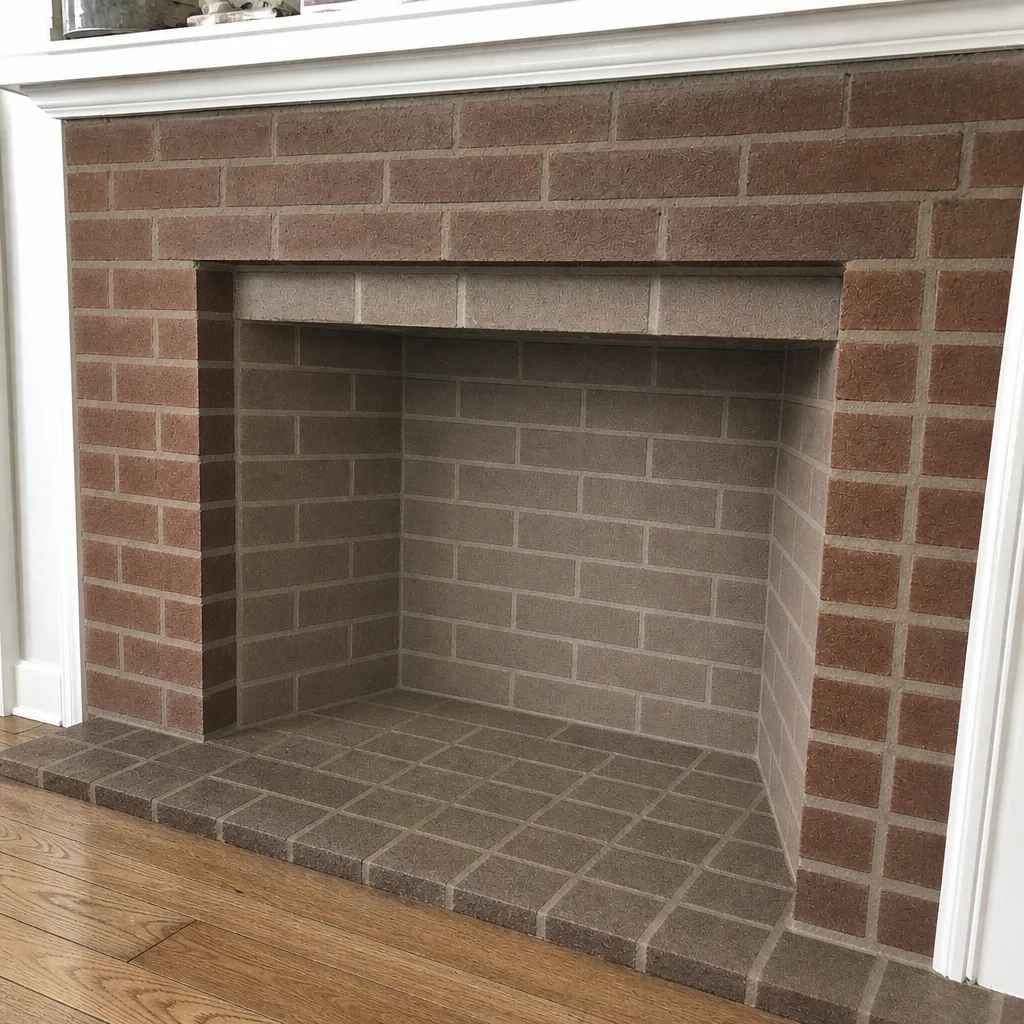
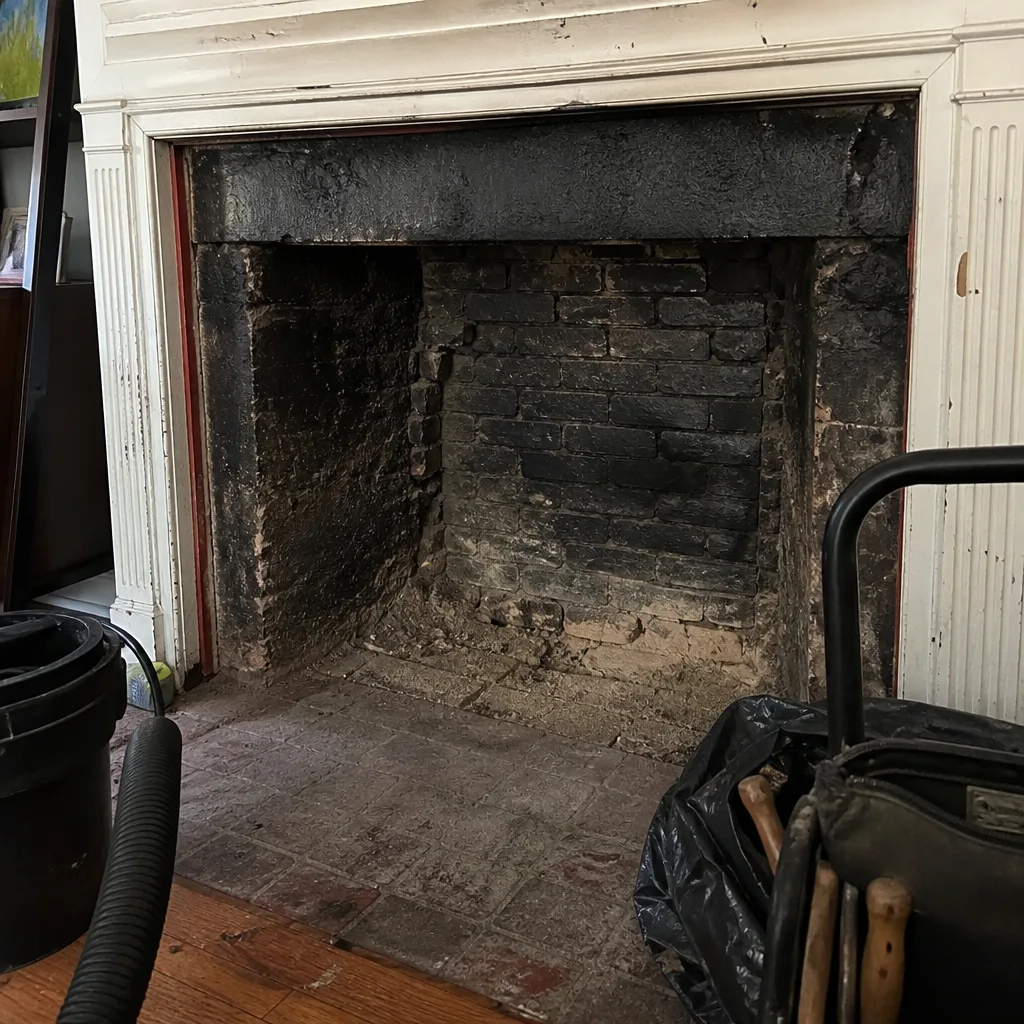
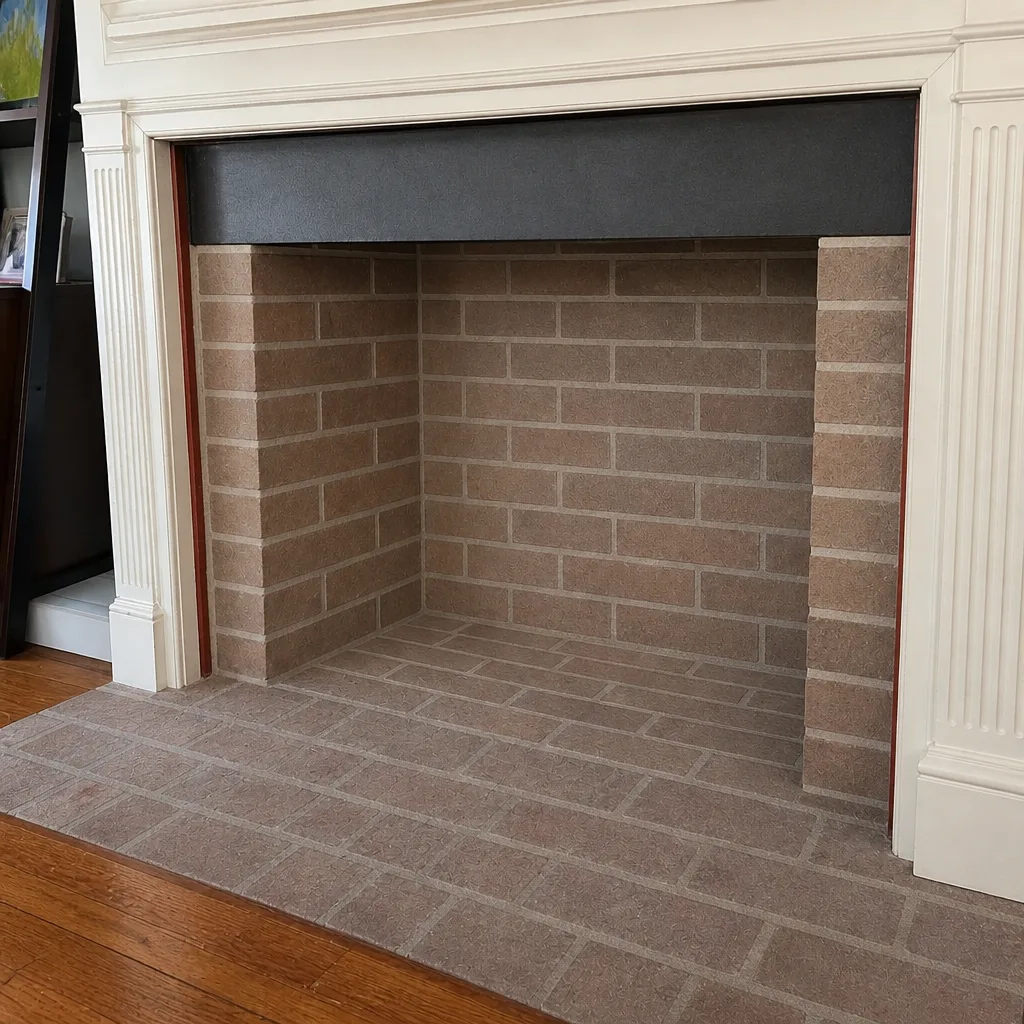
See the difference
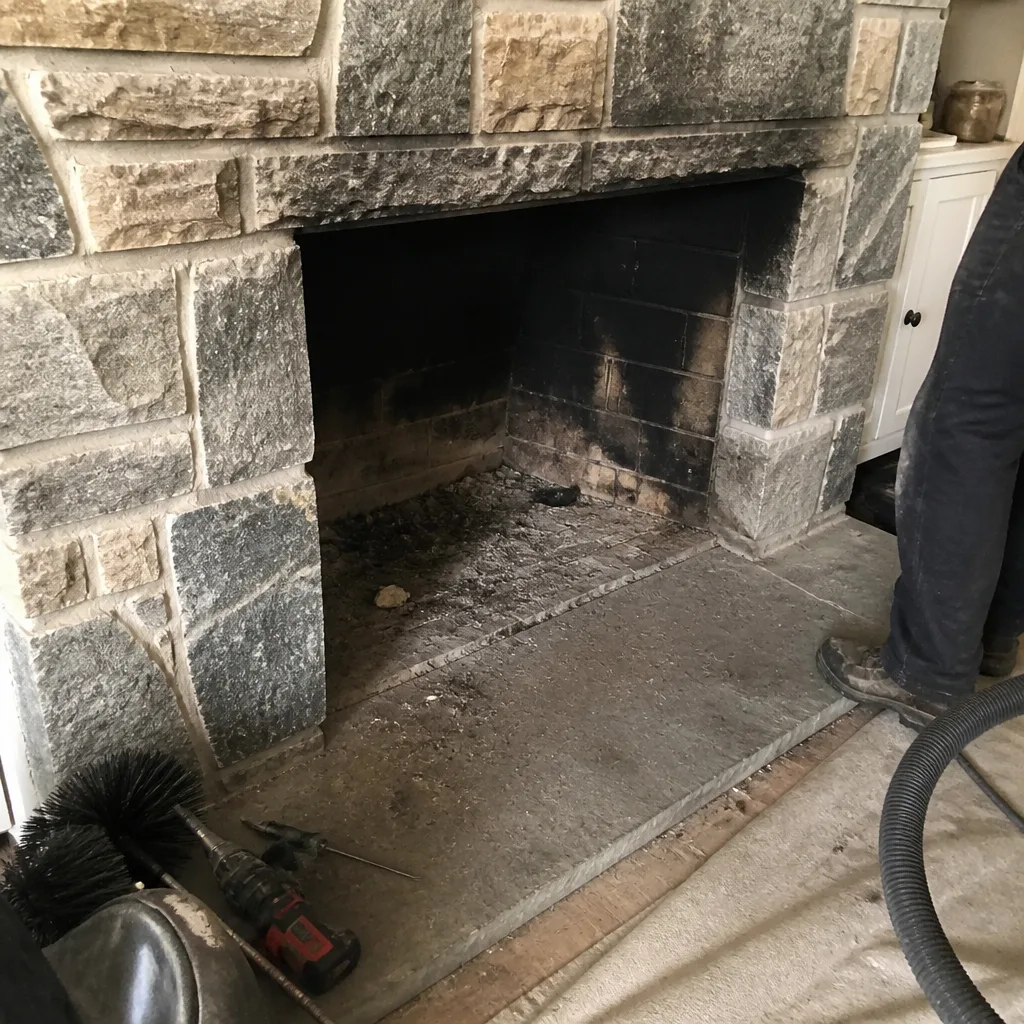 Before
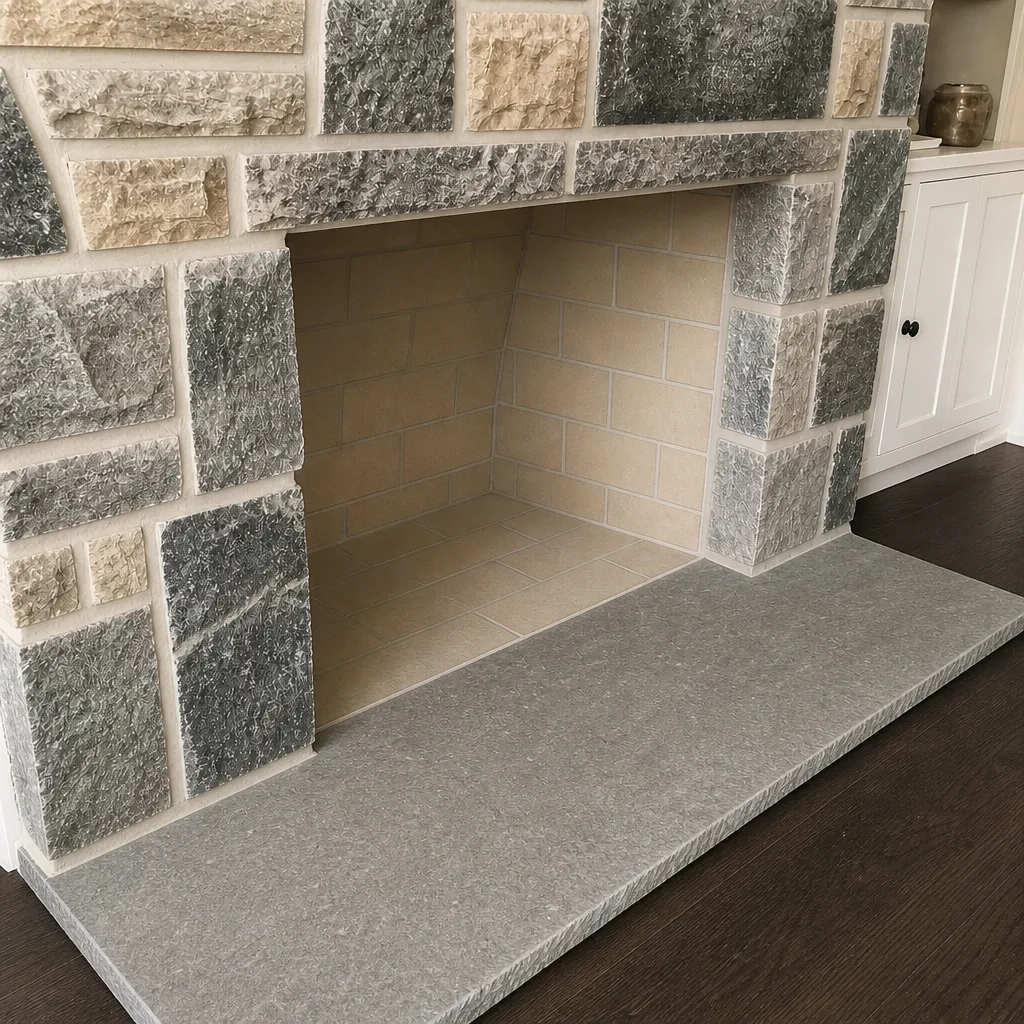 After
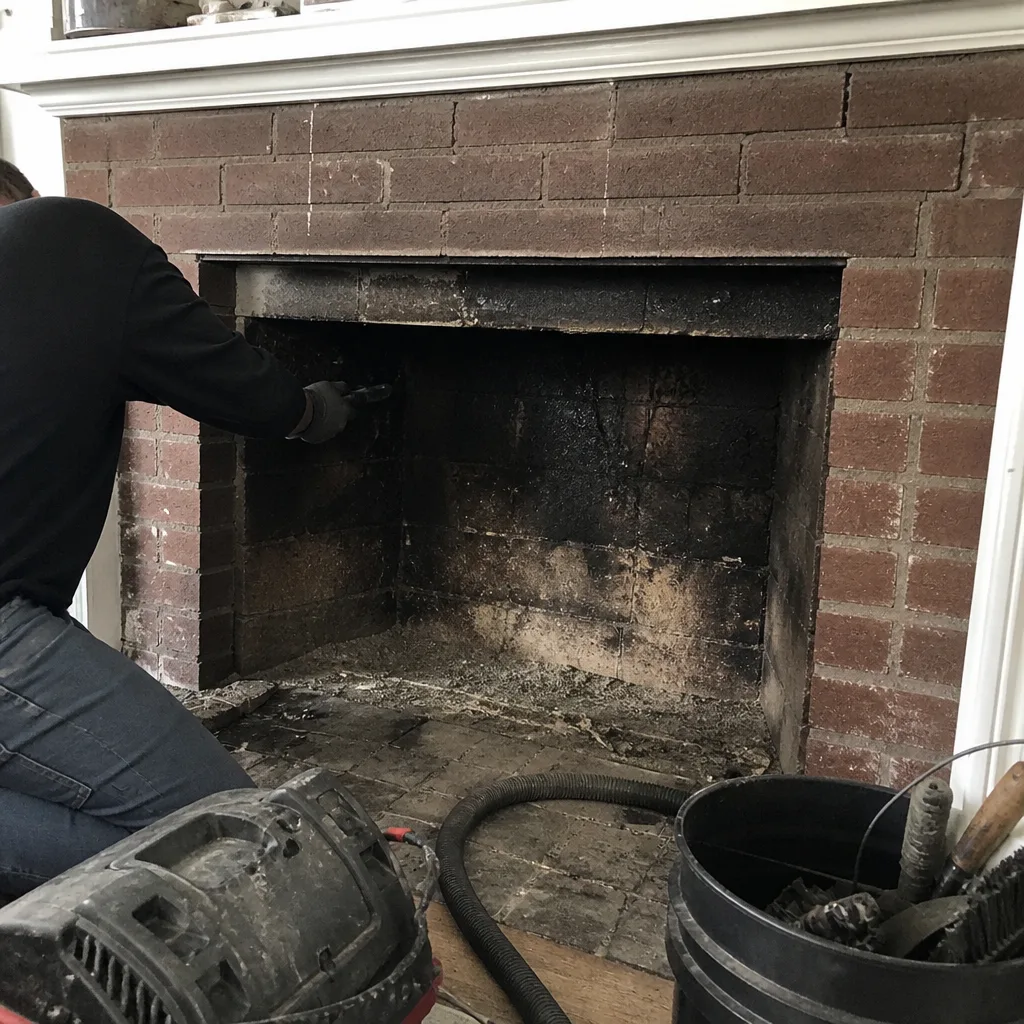 Before
 After
 Before
 After
When to Call a Professional
Call us for any of the following, and don’t wait for it to resolve on its own: a rumbling or roaring sound during a fire, a firebox crack, smoke that won’t clear from the room, a carbon monoxide alert tied to fireplace use, or a live animal you can hear behind the damper. Also call if you’ve seen efflorescence on the brick, noticed a sulfur or asphalt smell, caught dark staining around the damper frame, or heard dripping in the flue during a storm. Each of those points to a specific failure path – water, draft, or liner – and the cost of waiting is almost always a larger repair. Our technicians have up to 9 years of experience across the full chimney system, and Chimney Sweep Bustleton offers free estimates in Bustleton. Call (833) 350-7109. We answer 24/7. Fast dispatch from 7am to 7pm, Sunday through Friday, closed Saturday.
Frequently Asked Questions
The most common signs in Bustleton are white efflorescence on exterior brick, a smoke smell from a cold fireplace, intermittent smoking on a cold start, and a musty odor in humid weather. Each one points to a water-intrusion or draft problem rather than a cleaning problem, which is why a camera inspection comes before any recommendation. Call (833) 350-7109 if any of those are showing up on your chimney – estimates are free.
A sweep is preventative maintenance on a system that’s otherwise healthy; a repair addresses a specific failure – cracked crown, damaged cap, compromised liner, or crumbling smoke shelf. If the symptom is a smell, a stain, or a sound rather than a routine annual cleaning, it’s usually a repair question. A camera inspection tells you which one you’re looking at, and the honest answer is sometimes “neither yet.”
Not dangerous by itself, but it is a signal worth acting on. A smoke smell from a cold fireplace is almost always a draft reversal caused by a pressure imbalance in the house, not a fire hazard in the moment. The reason to schedule the visit is that draft reversals often come with a compromised cap or crown at the top, and the same water and pressure problems that cause the smell also degrade the liner above. Call (833) 350-7109 to get it inspected before the season – estimates are free.
White powder on the brick is efflorescence, and it means water is moving through the masonry. The likely path is a cracked crown, an aging cap, or failed mortar joints above the roofline, and left alone through a Bustleton winter the water reaches the smoke shelf and liner. The fix targets the source of the water, which is almost always at the top of the chimney. Call for a free estimate and we’ll show you the camera evidence of where it’s coming in.
Once a year is the standard recommendation for any chimney that’s used regularly, and the ideal time is before heating season, not during it. If you’ve seen any of the warning signs in this guide – efflorescence, dripping, sulfur or asphalt smell, dark staining, or a smoky cold start – don’t wait for the annual schedule; get it inspected now. Call (833) 350-7109. We answer 24/7. Fast dispatch from 7am to 7pm, Sunday through Friday.
Yes. Chimney fires range from a slow, quiet burn that sounds like almost nothing to a rumbling roar that’s audible through the house. The quiet ones are the reason an annual inspection matters – the visible evidence of a small chimney fire shows up in the camera footage as cracked flue tile, warped damper metal, or a puffy, honeycombed creosote layer, and none of that is obvious from the living room. If you’ve heard a rumbling sound during a fire, stop using the fireplace and call. Our technicians have up to 9 years of experience and can tell you what happened and what needs to be fixed.
The Bottom Line
Chimney warning signs aren’t noise. Each one is a symptom pointing at a specific cause: efflorescence is water moving through masonry, dark staining at the damper frame is smoke rolling back from a draft problem, crumbling mortar on the smoke shelf is a crown or liner failure above, sulfur or asphalt smells point to the liner, musty smells point to water, and a rumbling sound during a fire is the one situation that means stop and evacuate. Bustleton homes, especially older masonry ones, feel all of these sooner than newer construction because the winters are cold enough to run a fireplace hard and the summers are humid enough to reverse a weak draft. The framework in this guide – act now versus monitor and schedule – is what turns a symptom into a plan. Chimney Sweep Bustleton handles the full system from sweep to liner to rebuild, installed with professional-grade components like DuraFlex liners and HeatShield resurfacing, so a diagnosis turns into a fix under one company. Call (833) 350-7109 for a free estimate. We answer 24/7. Fast dispatch from 7am to 7pm, Sunday through Friday, closed Saturday.
Written by the team at Chimney Sweep Bustleton.