
Last updated November 22, 2026
 Sweep & inspection
 Caps & crowns
 Flue relining
 Masonry repair
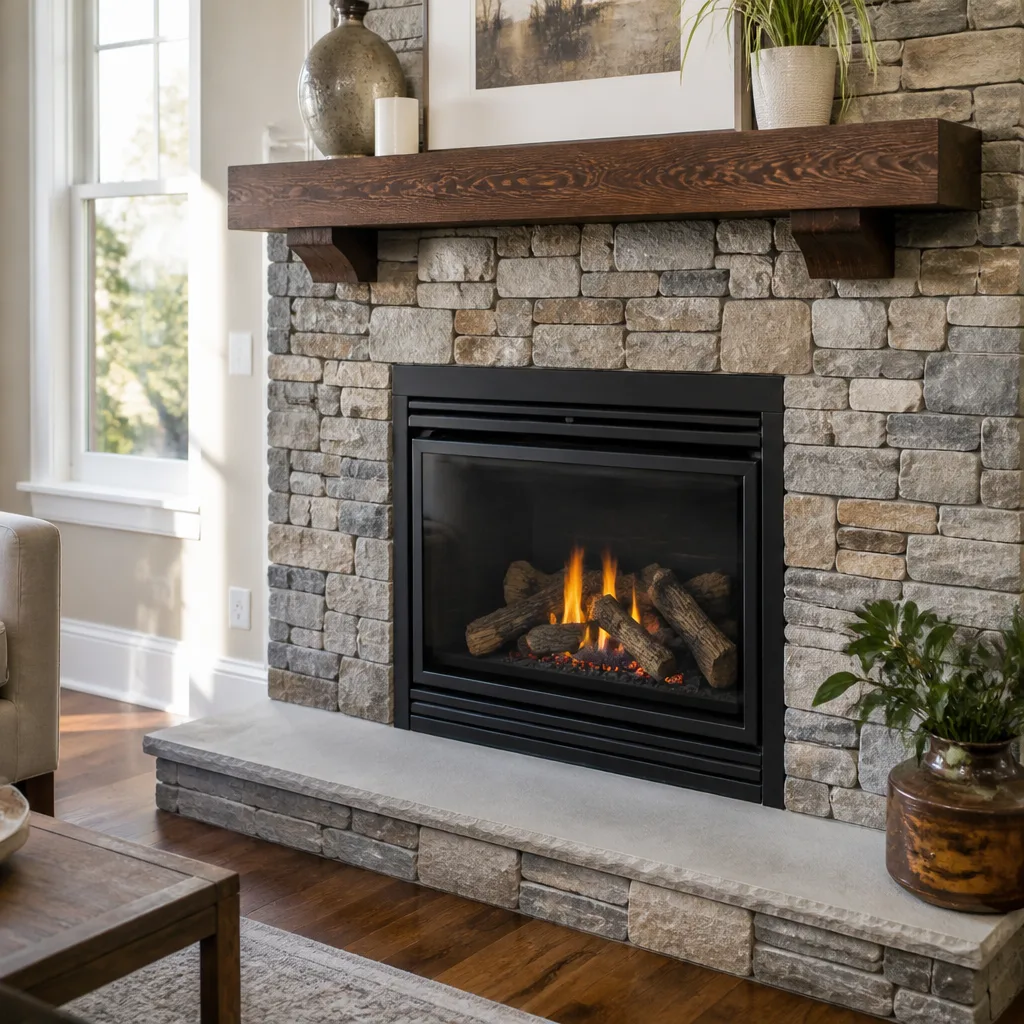 Gas fireplace service
Level 1 sweep and inspection to the NFPA 211 annual standard - flue, crown, cap, and flashing checked and photographed
Chimney sweep logs do not sweep chimneys. They loosen some creosote - which then falls where a brush and vacuum still have to collect it.
Chimney Cleaning Emergency Preparedness Guide for Bustleton Homes
A chimney fire does not announce itself with flames shooting out of the top of the house. It sounds like a low roar, sometimes a rumbling like a freight train passing behind the wall, and most homeowners who have never heard one mistake it for strong draft for the first 30 to 60 seconds. That window is exactly when closing the damper, getting everyone outside, and calling 911 matters most. This guide builds a specific action plan for each chimney emergency Bustleton homeowners actually face: an active flue fire, a carbon monoxide alarm near the hearth, and a sudden blockage that pushes smoke back into the room. You’ll learn what to do in the first minute, what to do after the fire department leaves, and how to keep these events from happening at all in a house with an older clay tile liner.
Quick Answer
If you suspect a chimney fire, close the damper if you can reach it safely, get everyone out of the house, and call 911 from outside. Do not throw water into the firebox and do not wait to see whether it settles down. For a carbon monoxide alarm near the fireplace, ventilate the room, leave the building, and treat the alarm as real until a technician confirms the source. After any fire or CO event, the fireplace stays out of use until a Level 2 inspection has checked the liner and the framing around the chimney.
- Fire in the flue: close the damper, evacuate, call 911, no water.
- CO alarm near the hearth: ventilate, evacuate, find the source before relighting.
- Smoke rolling back into the room: check the damper position first, then look for a blockage.
- After any event: a Level 2 inspection before the next fire.
Styles & brands we work with
- Sweep & inspection
- Caps & crowns
- Flue relining
- Masonry repair
- Gas fireplace service
Table of Contents
- The Three Chimney Emergencies Bustleton Homeowners Face
- Active Chimney Fire: The First-Minute Protocol
- Carbon Monoxide Near the Fireplace: What to Do First
- Sudden Blockage and Smoke Rollback
- After the Fire Department Leaves
- Who to Call and in What Order
- Chimney Fire Suppression Sticks: An Honest Assessment
- Pre-Season Steps That Cut Emergency Risk
The Three Chimney Emergencies Bustleton Homeowners Face
Chimney emergencies are not one problem with one answer. The response changes completely depending on which of three situations you’re in, and mixing them up wastes the time that matters. An active fire in the flue needs evacuation and the fire department. A carbon monoxide alarm near the fireplace needs ventilation and source identification. A blockage that pushes smoke into the room usually needs a damper check and a look down the flue. Knowing which one you’re facing before it happens is the whole point of this guide.
Here’s how to tell them apart in the moment:
- Chimney fire. A roaring or rumbling sound from inside the chimney, a vibration you can feel through the hearth, dark smoke or a hot, acrid smell in the room, and sometimes glowing or discolored metal on a prefab flue. The firebox itself may look normal, which is what makes this one confusing.
- Carbon monoxide event. A CO alarm sounding in the room with the fireplace, headache or dizziness that improves when you leave the house, soot or moisture on the firebox glass, or a yellow, lazy flame instead of a crisp blue one on a gas set.
- Blockage or rollback. Smoke curling back into the room instead of going up, a weak or absent draft, visible debris in the firebox, or a scratching or flapping sound in the flue that points to an animal.
Bustleton’s housing stock matters here. Many of the neighborhood’s brick colonials and twins were built with clay tile liners that have been through decades of heating cycles, and those tiles crack and spall in ways that quietly reduce draft and give creosote a place to collect. The chimney sweep that identifies which of the three situations you’re facing, and why, is doing the job that keeps a small problem from becoming an emergency.
Active Chimney Fire: The First-Minute Protocol
If you hear the roar and believe the chimney is on fire, close the damper, get everyone out of the house, and call 911 from outside. Do not throw water into the firebox, and do not stand in the room watching to see whether it dies down. A chimney fire can reach temperatures high enough to crack tiles, warp a metal liner, and ignite the wood framing that touches the chimney chase, and the first minute decides which side of that line you land on.
Work through these steps in order:
- Close the damper. Cutting the air supply starves the fire and slows it. If the damper handle is hot or the fire is already roaring hard, skip this step rather than risk a burn, and move to evacuation.
- Get everyone outside. Adults, children, pets. No gathering belongings, no checking the attic first.
- Call 911 from outside the house. Tell the dispatcher you believe you have a chimney fire and give your Bustleton address clearly.
- Do not use water. A garden hose or bucket of water into a fire that hot can crack the flue tiles or the firebox, and on a hot metal flue it can flash to steam violently. Leave suppression to the fire department.
- Stay out until the fire department clears the house. Even if the roar stops, the fire may still be working in the creosote above the damper.
One honest correction to a common belief: a chimney fire can burn itself out and still leave you unsafe. The damage it does to the liner is often invisible from the firebox, and that’s why the inspection after the fire department leaves is not optional. We’ve seen flues that looked fine from below and had cracked tiles three feet up, which is exactly the kind of failure a camera catches and the eye doesn’t.
Carbon Monoxide Near the Fireplace: What to Do First
When a carbon monoxide alarm sounds in the room with the fireplace, ventilate the space, get everyone out, and call 911 if anyone has symptoms. Then treat the alarm as real until a technician identifies the source. CO is colorless and odorless, and it produces the symptoms of a bad headache before it produces anything you can see, so the alarm is the warning, not the nuisance.
What to do, in order:
- Open windows and doors on your way out. Ventilation buys time and clears concentration.
- Get everyone outside, including pets. Count heads at the door.
- Call 911 if anyone has a headache, nausea, dizziness, or confusion. Those are CO symptoms, and they need medical attention, not fresh air and a nap.
- Do not relight the fireplace until the source is found. A blocked flue, a cracked heat exchanger on a gas set, a reversed draft on a cold day, or a backdrafting water heater sharing the same chase can all be the cause, and relighting tests it with your family in the room.
- Book an inspection with a camera. The source is found with a camera and a draft reading, not a guess.
Bustleton homes with a fireplace and a gas furnace or water heater on the same chimney are the ones to watch. When two appliances share a flue, one can starve the other of draft, and the exhaust goes where it shouldn’t. That’s a system problem, not a cleaning problem, and it needs someone who looks at the whole chimney rather than just running a brush through it.
Sudden Blockage and Smoke Rollback
Smoke rolling back into the room is usually a blockage or a draft failure, not a fire, and the first thing to check is the damper. A damper left closed, partly closed, or rusted shut is the most common cause of a smoky fire in an older Bustleton home. If the damper is fully open and smoke still comes back, the flue is blocked or the draft is being overwhelmed.
What a blockage looks like and what to do about each type:
- Animal intrusion. Birds, squirrels, and raccoons get into uncapped flues, and a nest or a trapped animal blocks the flue fast. If you hear scratching or flapping, stop using the fireplace, close the firebox doors, and call a sweep. Do not try to reach into the flue yourself. A purpose-engineered chimney cap & crown from Gelco or Famco keeps animals out and is the fix that prevents a repeat.
- Creosote or soot buildup. A heavily glazed flue narrows the opening and chokes draft. This is the blockage that a sweep catches before it becomes a fire.
- Cold-flue reverse draft. On a cold morning, a chimney that hasn’t been used in a while can push air down instead of pulling it up. Pre-warming the flue with a rolled newspaper torch held near the damper often establishes draft before you light the fire. If it happens every time, the flue is undersized or too short for the appliance.
- Structural collapse. A fallen tile or a deteriorated liner can drop into the flue and block it. This one needs a camera inspection before anything else is lit.
A blockage is a fire hazard and a CO hazard at the same time, because a fire that can’t vent has to go somewhere. If smoke is rolling back and you can’t clear it by checking the damper, stop, get the room ventilated, and call for a sweep before you light another fire.
After the Fire Department Leaves
After any chimney fire, the fireplace stays out of use until a Level 2 inspection has checked the liner and the framing around the chimney. This is not a sales step. It’s the inspection the fire department can’t perform, because it requires a camera in the flue and a look at the clearances behind the chase. A Level 2 inspection is the standard that covers exactly this situation: a known event that may have damaged the system.
What a post-fire Level 2 inspection looks for:
- Cracked or spalled flue tiles. Heat shock from a fire can crack tiles that looked fine before, and a cracked tile lets heat and gases reach the framing.
- Warped or separated metal liner. A stainless liner can buckle at the seams under fire temperatures, and a seam that opens is a gap between the flue gas and the wood.
- Damaged or missing mortar joints. Joints that failed in the fire are the paths CO and heat take into the house.
- Pyrolysis in the framing. Wood that has been cooked by repeated heat exposure chars and ignites at lower temperatures. This is the quiet one, and it’s why the inspection looks at the wood, not just the flue.
- Crown and cap damage. A fire can crack the crown and loosen the cap, and rainwater getting in afterward starts a second problem.
If the inspection finds liner damage, the repair is usually a reline rather than a tear-down. A professional-grade flexible liner like DuraFlex is built for that job, and HeatShield resurfacing can restore a liner that’s damaged but not failed. We handle the full system, from the sweep through liner installation and rebuild, so the inspection, the diagnosis, and the repair come from the same company instead of three.
Who to Call and in What Order
When something goes wrong with the chimney, three different professionals may be involved, and the order matters. Get the sequence wrong and you’ll pay for work you didn’t need or skip work you did. Here’s the order we recommend to Bustleton homeowners.
- Fire department first, always, for an active fire or a CO event with symptoms. No exceptions. The fire department makes the house safe; everyone else comes after.
- Chimney sweep second, for a Level 2 inspection. This is the step that tells you what actually happened to the flue. Ask for a camera inspection and a photo report you can see for yourself. Nothing should be recommended without camera evidence.
- Structural contractor third, only if the inspection finds a problem with the chimney structure itself. A leaning chimney, failed masonry above the roofline, or a chase that’s pulling away from the house is a structural repair, and a sweep will tell you when that’s the case rather than doing the work outside their scope.
- Insurance company after the inspection, not before. The inspection report is what an insurer needs to process a claim. Calling the insurer first means describing damage you haven’t documented yet.
For a blockage, a smoky fire, or a suspected liner problem with no fire involved, the first call is a sweep for an inspection. Chimney Sweep Bustleton handles chimney repair and inspection across the full system, and the written estimate sets the price before any work begins. Call (833) 350-7109. We answer 24/7. Fast dispatch from 7am to 7pm, Sunday through Friday.
Chimney Fire Suppression Sticks: An Honest Assessment
A chimney fire suppression stick is a flare-like product you light and place in the firebox or stove; it burns hot and releases a chemical that consumes the oxygen a chimney fire needs. Chimfex is the best-known version. The honest answer on whether to keep one on hand is: yes, as a supplement, and never as a replacement for evacuation and a 911 call.
What these sticks do well:
- They can knock down a small, early-stage fire before it spreads, which is worth having when the fire department is a few minutes out and you’ve already called.
- They’re easy to use, and the instructions are printed on the stick.
- They work on wood fires in the firebox and in the flue above the damper.
What they don’t do:
- They do not replace the call to 911. Light the stick, evacuate, and call from outside.
- They don’t fix the cracked liner or the glazed creosote that caused the fire. The post-fire inspection is still required.
- They don’t help with a CO event or a blockage, which are different problems with different responses.
- They’re not a substitute for an annual sweep. A clean flue has less fuel, and less fuel is the real prevention.
We tell homeowners the same thing every time: keep one if it makes you more likely to act quickly, but rely on the sweep, not the stick. The sweep is what keeps the fire from starting.
Pre-Season Steps That Cut Emergency Risk
Most chimney emergencies are preventable, and the work that prevents them happens before the first fire of the season, not during it. For Bustleton homes with older clay tile liners and masonry chimneys built before modern liner standards, pre-season preparation is where the real risk reduction lives. Our technicians have up to 9 years of experience, and the pattern they see is consistent: the houses that get swept every year are the ones that don’t call us in a panic.
The steps, in order of impact:
- Get an annual sweep and inspection before the first fire. A professional cleaning removes the creosote that fuels a chimney fire, and the inspection catches the cracked tiles and loose joints before they become an emergency.
- Get a camera inspection of the liner. A clay tile liner that’s been in service for decades can have cracks that aren’t visible from the firebox. A camera finds them, and a photo report shows you what the camera saw.
- Check the cap and crown. A missing or damaged cap lets rain, animals, and debris in. Water intrusion degrades the liner and the masonry, and animal nests are one of the most common sudden blockages we find. Purpose-engineered caps from Gelco and Famco are the fix.
- Test your CO alarms. Put one on every floor and one near the fireplace. Replace the batteries at the start of the season.
- Get the damper checked. A damper that sticks or doesn’t open fully causes smoke rollback and won’t seal during a fire. If it doesn’t move freely, have it looked at before you need it.
- Burn dry, seasoned wood. Wet wood produces more creosote and less heat, and creosote is the fuel a chimney fire burns.
- Never leave a fire unattended. Most chimney fires start when a fire is left to burn with the room empty.
When the pre-season inspection is done, ask what they found and see the photos. If the liner is sound and the flue is clean, the fireplace is safe to use. If the liner has a problem that can wait, the inspector should say so plainly. If it can’t, the repair should be specified by name: a DuraFlex reline, a HeatShield resurfacing, or a Gelco cap on a flue that’s been open. The right material for the repair, specified by name, is what separates a real diagnosis from a sales pitch.
Common Mistakes to Avoid
- Throwing water into a chimney fire. A fire that hot can crack the flue tiles, and on a hot metal flue water can flash to steam violently. Close the damper, get out, and call 911.
- Assuming the fire is out because the roar stopped. A chimney fire can burn itself out and still leave a cracked liner behind. The post-fire Level 2 inspection is what tells you the truth.
- Relighting after a CO alarm without finding the source. The alarm is a warning, not a nuisance. Ventilate, evacuate, and get a camera inspection before the next fire.
- Burning wet wood in a Bustleton home with an older clay liner. Wet wood makes more creosote, and creosote is what burns. Seasoned wood and an annual sweep are the two habits that matter most.
- Running a brush yourself and calling it a cleaning. A brush on a rod from the hardware store can’t find a cracked tile. The camera inspection is the part that catches the problem the brush misses.
- Leaving the flue uncapped. An open flue lets in rain, animals, and debris. A cap is a small cost against a blockage or a water-damaged liner.
- Calling the insurer before the inspection. The inspection report is what an insurer needs. Get the report first, then call.
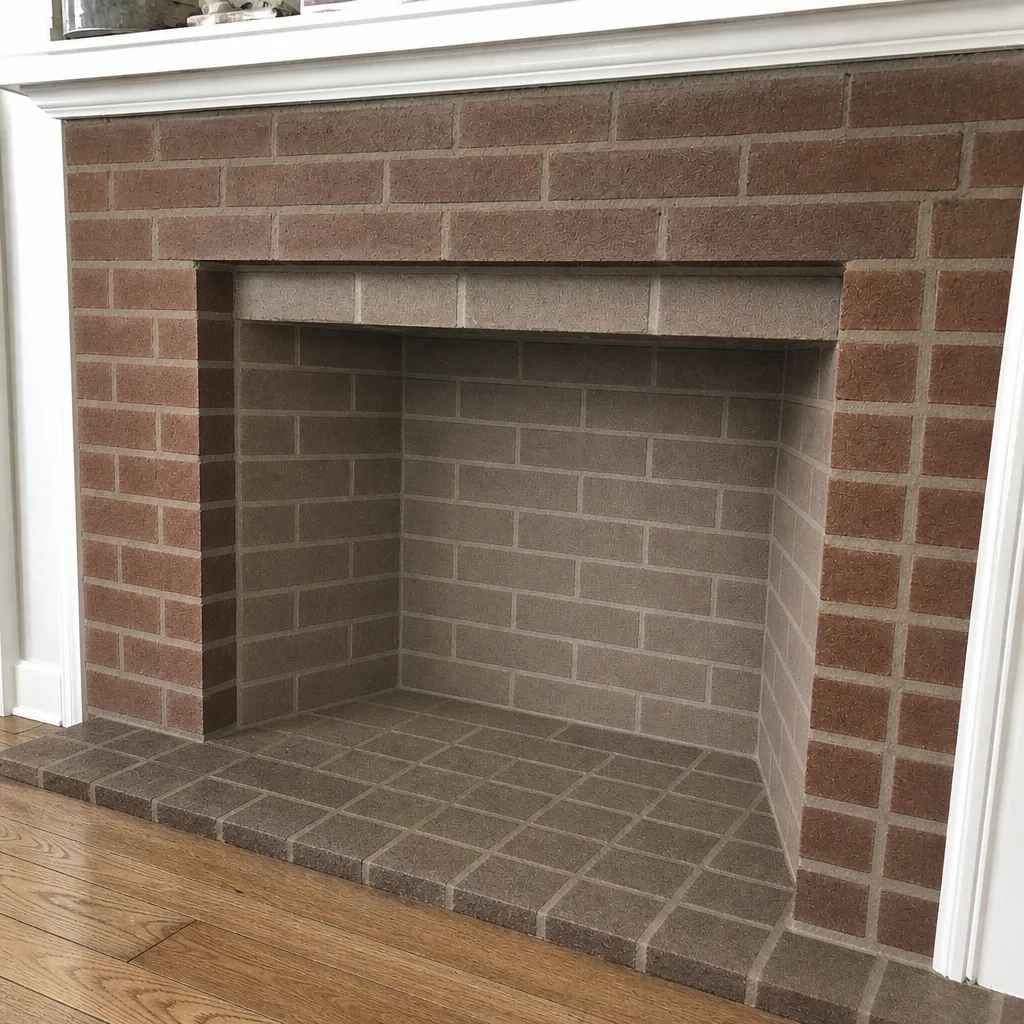
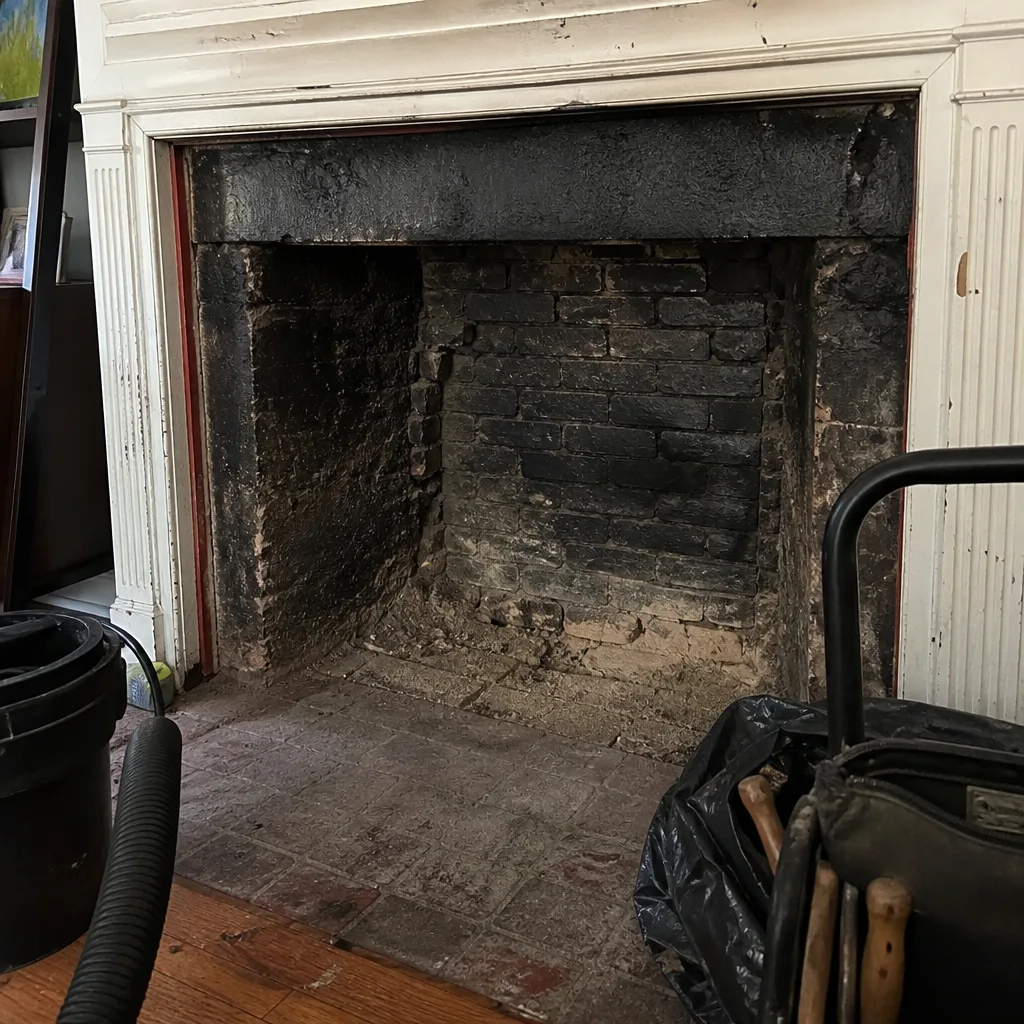
See the difference
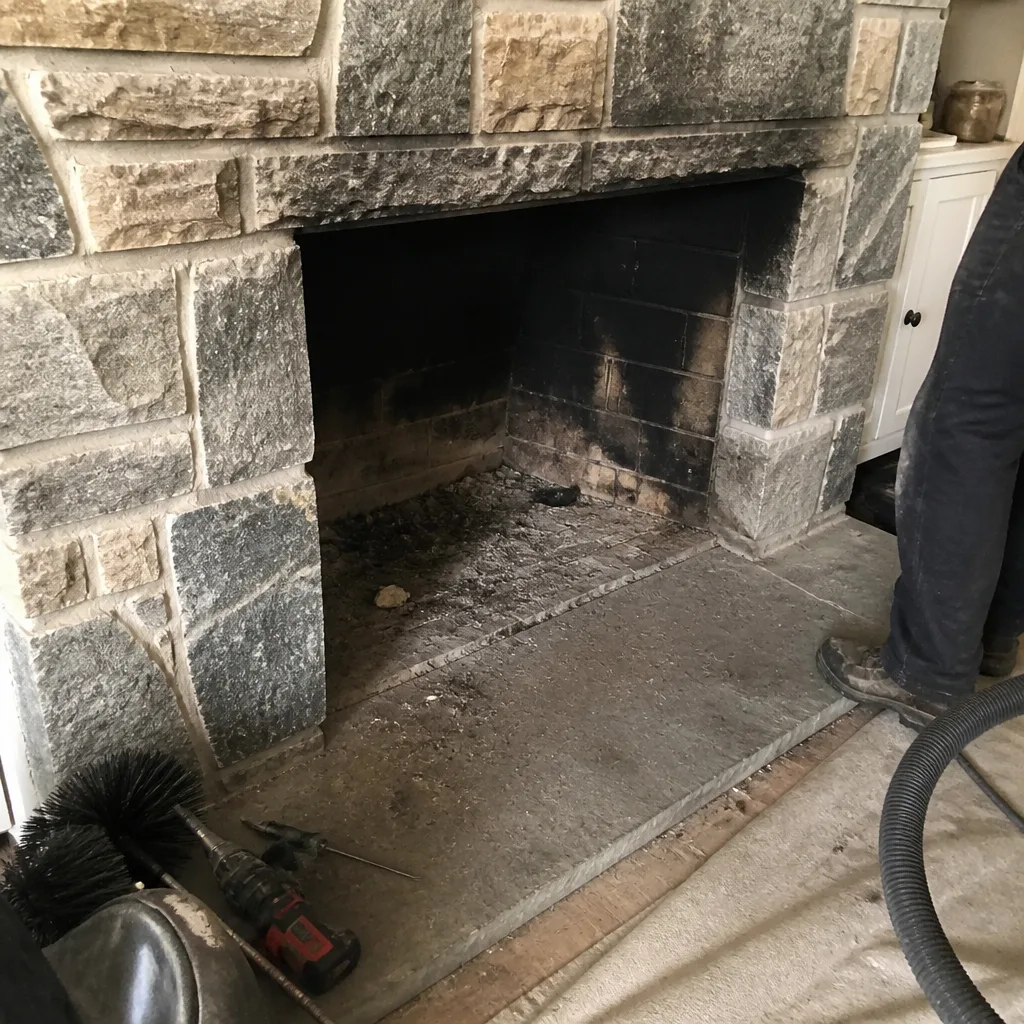 Before
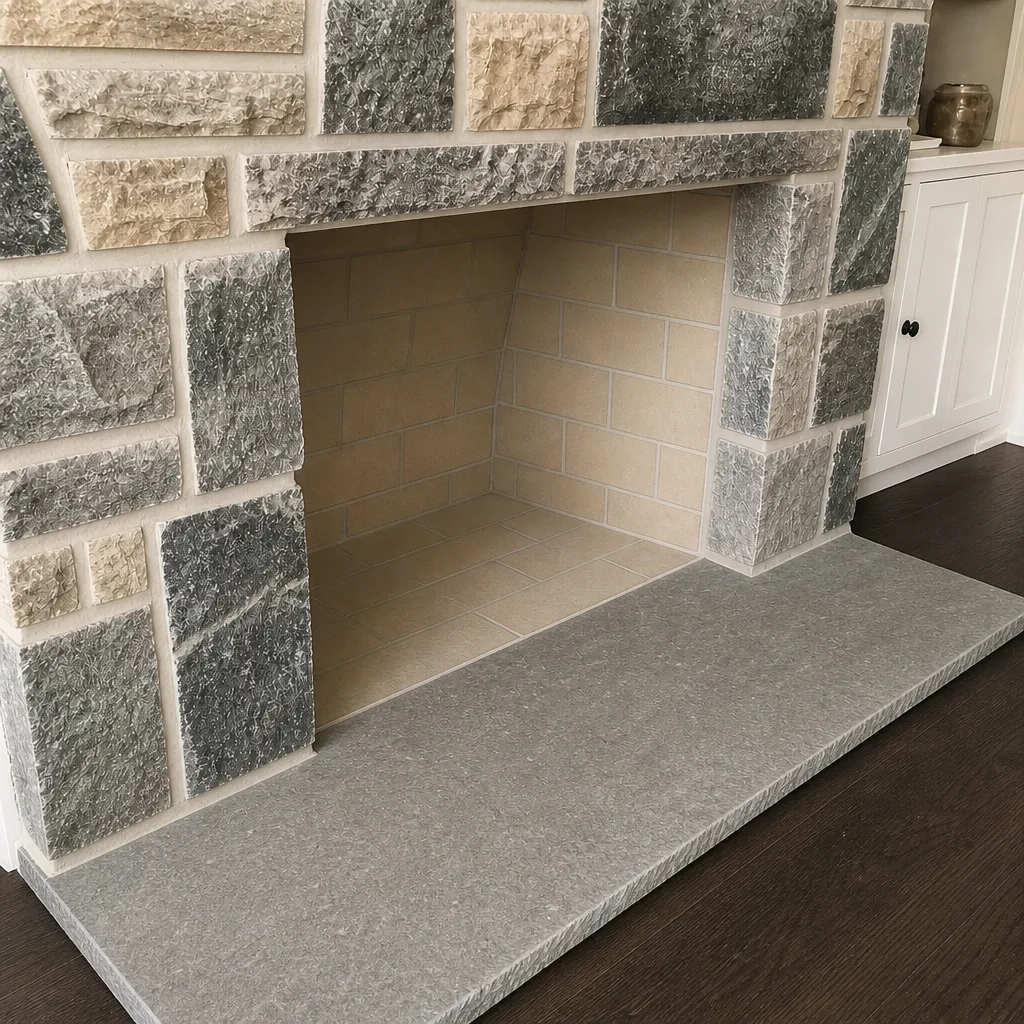 After
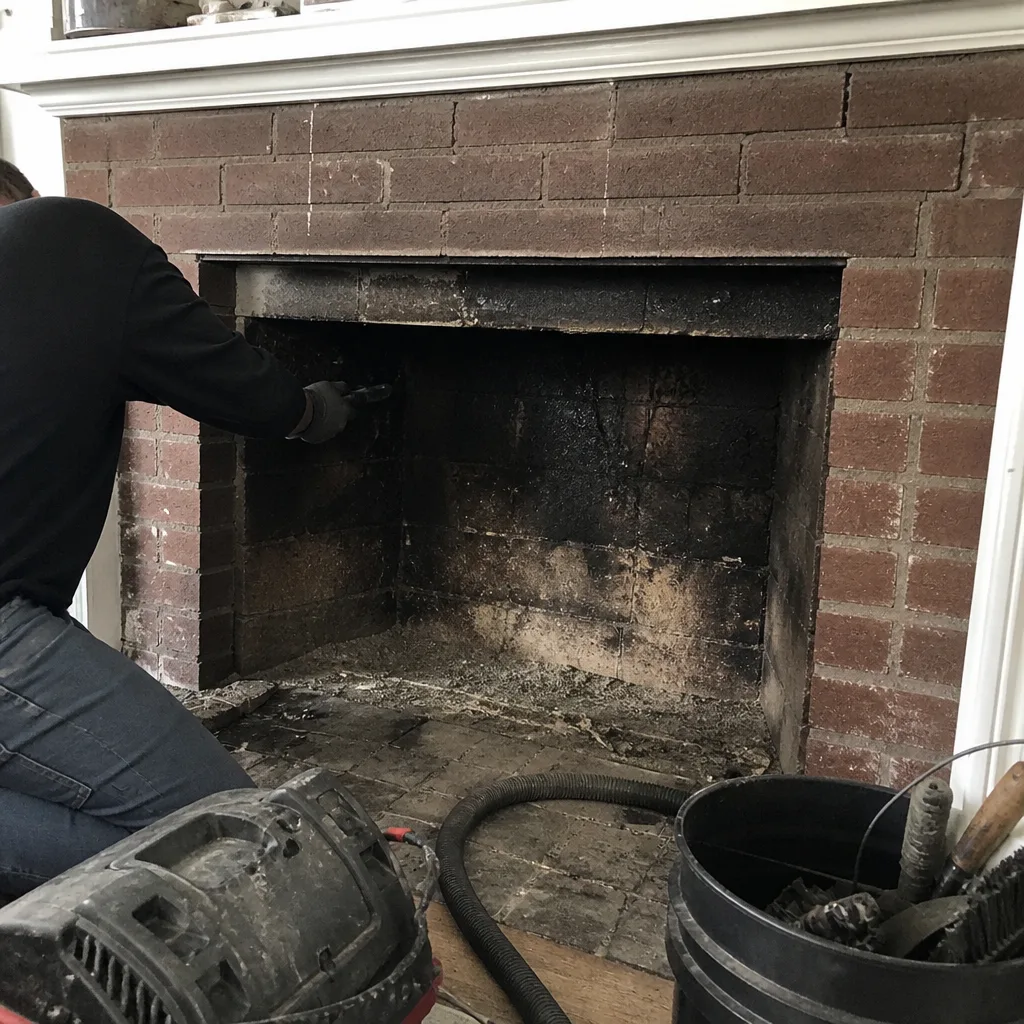 Before
 After
 Before
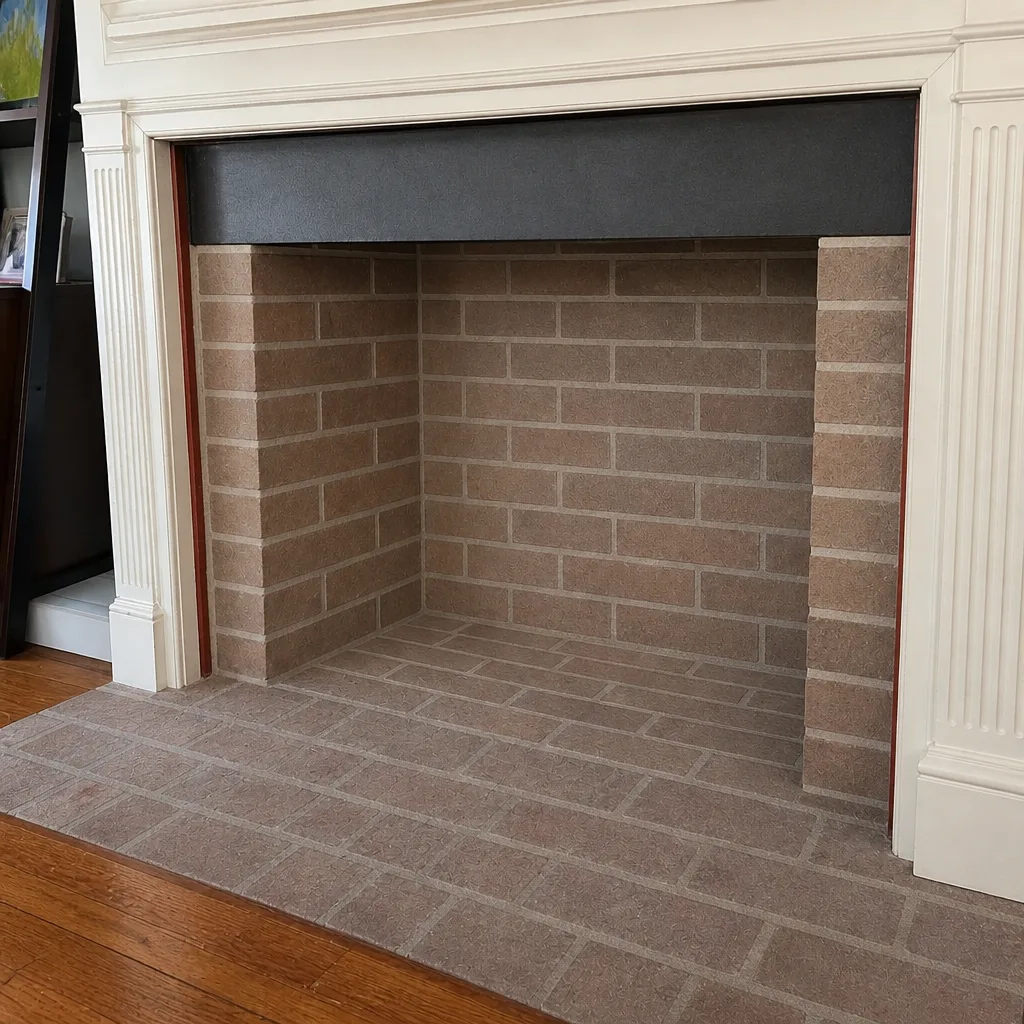 After
When to Call a Professional
Call a professional any time the fireplace behaves in a way you can’t explain: smoke that rolls back with the damper open, a draft that’s weaker than it used to be, a smell of creosote in the room after a fire, soot on the firebox glass, or a CO alarm anywhere in the house. Call immediately after a chimney fire, after any CO event, and before the first fire of the season if the chimney hasn’t been swept in a year. And call if you hear scratching or flapping in the flue, because an animal in the chimney is a blockage waiting to happen. Chimney Sweep Bustleton offers free estimates in Bustleton. Call (833) 350-7109. We answer 24/7. Fast dispatch from 7am to 7pm, Sunday through Friday.
Frequently Asked Questions
Close the damper if you can reach it safely, get everyone out of the house, and call 911 from outside. Do not throw water into the firebox. A chimney fire can sound like a low roar or a freight train, and the first 30 to 60 seconds are when acting matters most. Call (833) 350-7109 for a post-fire inspection once the fire department clears the house.
Once a year is the standard for a home that uses its fireplace regularly, and the start of the heating season is the right time. A home that burns heavily, or burns unseasoned wood, may need it more often. Call (833) 350-7109 to book a sweep and camera inspection before the first fire.
Yes. A Level 2 inspection is required after any chimney fire because the damage is often invisible from the firebox. It covers the liner, the mortar joints, the crown and cap, and the framing around the chimney. The fireplace should not be used again until the inspection clears it. Call (833) 350-7109 for an inspection with a photo report.
Yes, and this is the part homeowners underestimate. A chimney fire can burn out without visible flames and still leave cracked tiles or a warped liner behind, which lets heat and carbon monoxide reach the framing. The fire going quiet is not the all-clear. The inspection is. Call (833) 350-7109 to get the flue checked before you light another fire.
Yes, as a supplement, not a replacement. A stick like Chimfex can knock down a small early fire, but you still evacuate and call 911 from outside, and you still get a post-fire inspection. It doesn’t fix the cracked liner or the creosote that caused the fire. Call (833) 350-7109 for the sweep that prevents the situation.
A chimney fire is combustion inside the flue, and the response is close the damper, evacuate, and call 911. A CO problem is exhaust reaching the living space, and the response is ventilate, evacuate, and find the source before relighting. Both need a camera inspection afterward. Call (833) 350-7109 if you’re not sure which one you’re dealing with.
The Bottom Line
Chimney emergencies are rare, but they’re not random. They follow from creosote that wasn’t swept, a liner that wasn’t inspected, and a flue that wasn’t capped, and the five minutes after one starts are the five minutes that decide the outcome. Know the three situations, the active fire, the CO event, and the blockage, and know the first step for each. Get the chimney swept and inspected before the season starts, and see the camera report with your own eyes. If something does go wrong, get out, call 911, and book the Level 2 inspection. Chimney Sweep Bustleton handles the sweep, the cap and crown, the repair, the liner, and the rebuild, so one call covers the system. Call (833) 350-7109 for a free estimate. We answer 24/7. Fast dispatch from 7am to 7pm, Sunday through Friday.
Written by the team at Chimney Sweep Bustleton.